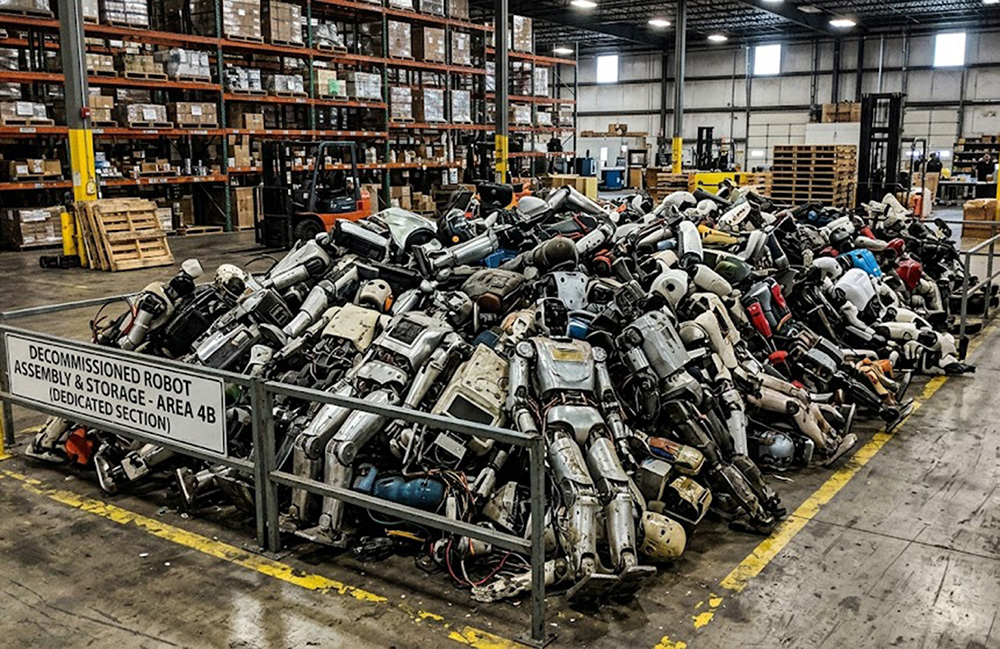
Humanoid robots are not just a futuristic concept; they are becoming increasingly relevant in today's world, thanks to advancements in actuator technology. As the robotics industry pushes the boundaries of automation, integrated actuators are setting new benchmarks in joint performance and system integration, offering a significant leap forward for humanoid robots.
What Happened
The development of humanoid robots has reached an inflection point, driven by the need for machines capable of operating in complex, human-like environments. Traditional industrial robots excel in repetitive tasks within controlled settings, but humanoid robots face the challenge of mimicking human movements such as walking, balancing, and interacting. This requires sophisticated joint systems, where actuators play a crucial role. Actuators in humanoid robots convert electrical energy into mechanical motion, enabling nuanced actions. However, the design of these actuators must overcome hurdles such as size constraints, weight limitations, and the need for precise control. Traditionally, robotic joints comprised separate components, including motors and gearboxes, which increased complexity and maintenance needs.
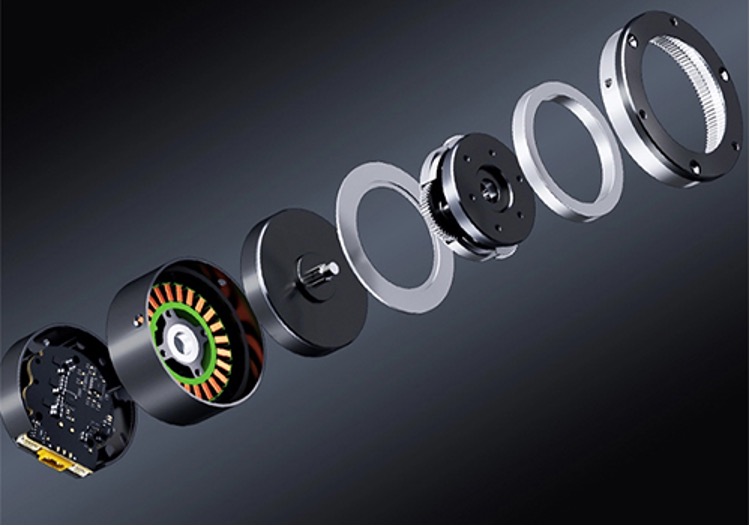
Integrated actuators present a solution by combining these components into a single, compact module. For example, the CubeMars AK45-10 actuator integrates a brushless motor, planetary gearbox, encoder, and driver electronics, offering a streamlined and efficient design. With a diameter of 53mm and weighing approximately 260g, it delivers up to 7Nm peak torque, making it ideal for space-constrained robotic joints.
What This Means for Your Business
For businesses in the architecture, engineering, construction, and manufacturing sectors, as well as government contractors, integrated actuators offer a path to more efficient and versatile robotic systems. By reducing the complexity of robotic joints, these actuators lower the barriers to entry for deploying humanoid robots in various applications, from automated construction processes to advanced manufacturing lines.
The use of integrated actuators can also lead to cost savings and increased ROI. Their compact design reduces the need for extensive wiring and assembly, cutting down on labor and maintenance costs. For government contractors, especially those working within defense and aerospace sectors, adopting this technology can enhance competitive positioning by allowing for more agile and responsive robotic systems that meet stringent operational requirements.
What US Operators Should Watch
As the technology evolves, operators should keep an eye on emerging standards and regulations in robotic system integration. Staying informed about advances in actuator design, such as the CubeMars AK45-10, can provide a competitive edge in procurement and project planning. Additionally, monitoring developments in compliance frameworks like CMMC and NIST is crucial for ensuring that new robotic systems meet cybersecurity and operational safety standards.
Looking forward, procurement windows for advanced robotic systems and components are likely to expand as the demand for humanoid robots grows. Keeping track of these opportunities can help businesses align their strategic investments with market trends, ensuring they are well-positioned to leverage the latest technological advancements.
Is your firm ready for what’s next?
VisioneerIT helps AECM and government contractors modernize operations, achieve compliance, and implement AI.
Explore VisioneerIT Solutions →