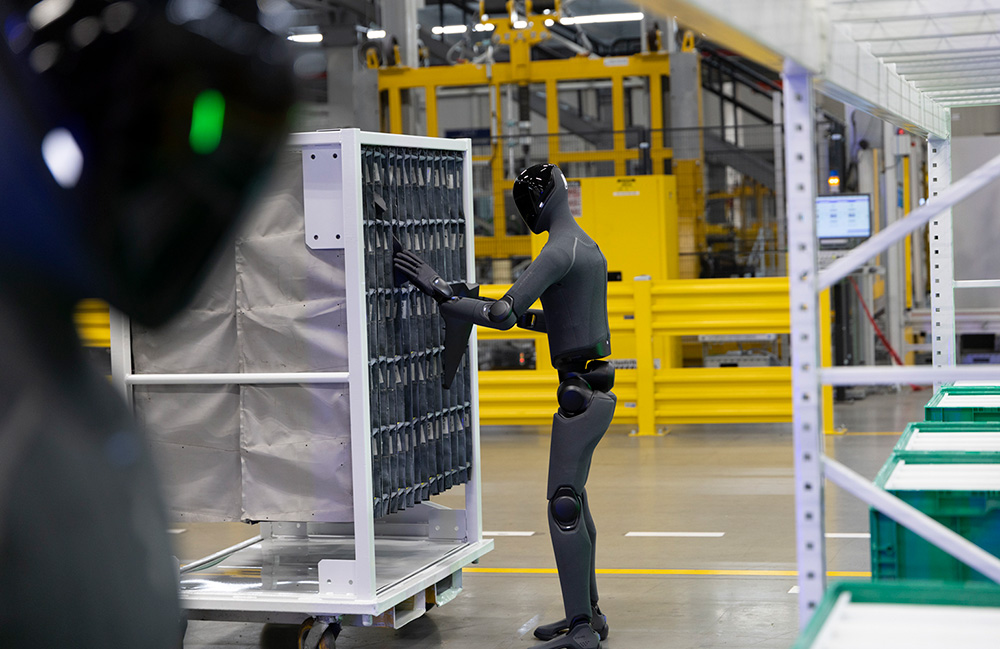
Following a successful pilot with the Figure 02 humanoid at its Spartanburg, S.C. plant, BMW plans to deploy the advanced Figure 03 humanoid. While the technology behind humanoid robots has made significant strides, their cost remains a major barrier to widespread adoption in manufacturing. For AECM professionals, understanding the economic challenges and potential of humanoid robots is crucial as these technologies evolve.
What Happened
BMW's pilot with the Figure 02 humanoid robot was successful, leading to plans for deploying the Figure 03 model. Despite advancements in AI, vision systems, and robotic hardware, the financial viability of humanoid robots remains questionable. The robots' ability to handle complex tasks has improved, with companies like Agility Robotics and Generalist demonstrating success in warehouses. However, the high cost of humanoids—often several hundred thousand dollars per unit—limits their practicality for most manufacturers, who find specialized automation solutions more cost-effective.
What This Means for Your Business
For U.S. businesses in the AECM sector, the economic implications of humanoid robots are significant. The high initial investment required for humanoid robots makes their use feasible only for operations running multiple shifts around the clock. In contrast, specialized automation solutions often provide higher throughput and faster ROI. Companies must weigh the flexibility of humanoids against the efficiency of specialized systems. Understanding these dynamics is essential for procurement and investment strategies, particularly in sectors where automation plays a crucial role.
What US Operators Should Watch
AECM professionals should monitor developments in robotic unit economics closely. As humanoid costs potentially decrease, the feasibility of integrating these robots into factory floors may improve. Keeping abreast of advancements in AI and robotics hardware will be crucial, as will understanding federal funding opportunities that might support automation initiatives. Additionally, tracking competitive advancements in specialized automation could provide insights into alternative solutions offering better ROI.
Source: https://www.therobotreport.com/humanoids-wont-scale-on-factory-floors-until-costs-drop/. Read the original story ->
Partner Insight · VisioneerIT
As businesses in the AECM sector explore the integration of humanoid robots, modernizing their software systems can enhance operational efficiency and adaptability. Leveraging digital transformation strategies can help organizations navigate the complexities of automation investments.
Explore VisioneerIT Cybersecurity. →
Is your firm ready for what’s next?
VisioneerIT helps AECM and government contractors modernize operations, achieve compliance, and implement AI.
Explore VisioneerIT Solutions →