The race to dominate the burgeoning humanoid robotics market is on, and it's projected to skyrocket from under $1 billion today to a staggering $370 billion by 2040, according to a report by McKinsey. The key to winning this race may lie in overcoming design challenges through integrated design platforms, a necessity for AECM professionals looking to tap into this promising sector.
What Happened
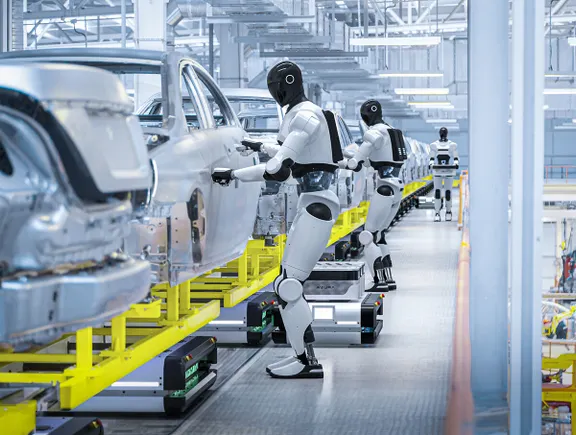
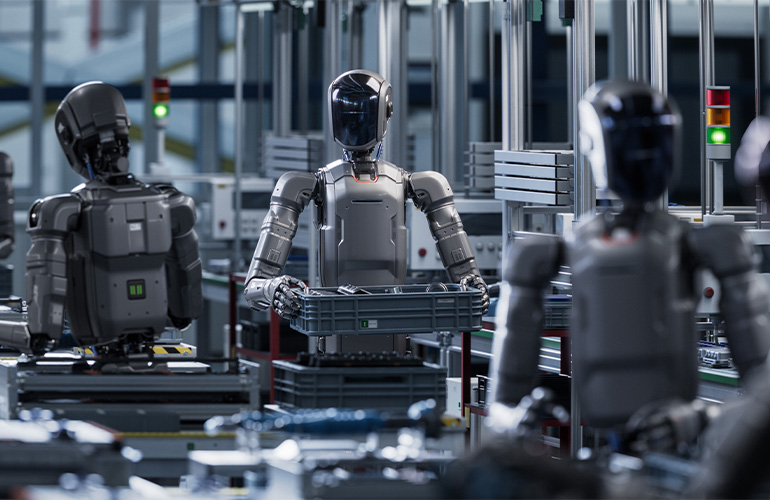
Humanoid robots are set to revolutionize manufacturing by offering unprecedented flexibility on production lines. Unlike traditional industrial robots, which are often stationary, humanoid robots can navigate complex environments, adapt to new tasks, and work alongside humans seamlessly. This adaptability could transform not only manufacturing but also logistics and hazardous work environments.
However, the technical challenges of building humanoid robots are formidable. These robots require sophisticated coordination of multiple joints and precise control over mass, inertia, and center of gravity. Current manufacturing processes often rely on outdated, disjointed methods that create inefficiencies and inaccuracies in design and simulation.
Siemens is stepping up to address these challenges with its Xcelerator platform, offering a unified solution that integrates mechanical design, simulation, and manufacturing processes. This platform promises to streamline the development of humanoid robots, allowing manufacturers to move from concept to deployment more efficiently and accurately.
What This Means for Your Business
For businesses in the AECM sector, the rise of humanoid robotics represents both a challenge and an opportunity. Companies that can leverage integrated design platforms like Siemens Xcelerator will be better positioned to capture market share in this rapidly growing industry. By reducing design inefficiencies and improving simulation accuracy, these platforms can minimize costly reworks and accelerate time-to-market.
Moreover, the adoption of integrated design tools aligns with broader trends in digital transformation, offering potential compliance benefits and alignment with standards such as CMMC and NIST for businesses involved in government contracting.
What US Operators Should Watch
US operators should closely monitor advancements in humanoid robotics and the adoption of integrated design platforms. Key timelines to watch include the rollout of Siemens Xcelerator and similar technologies, which could significantly impact procurement strategies and competitive positioning.
Additionally, businesses should track federal funding opportunities and regulatory developments that could influence the adoption of humanoid robotics in various sectors. Staying ahead of these trends will be crucial for companies looking to capitalize on this $370 billion opportunity.
Source: https://www.therobotreport.com/the-370-billion-dollar-race-how-integrated-design-can-help-humanoid-manufacturers-succeed-in-a-rapidly-growing-market/. Read the original story ->
Partner Insight · VisioneerIT
The rise of humanoid robotics and integrated design platforms highlights the importance of cybersecurity in the AECM sector. As companies adopt these technologies, ensuring compliance with standards like CMMC becomes crucial to protect sensitive data and maintain competitive advantage.
Explore VisioneerIT Cybersecurity →
Is your firm ready for what’s next?
VisioneerIT helps AECM and government contractors modernize operations, achieve compliance, and implement AI.
Explore VisioneerIT Solutions →