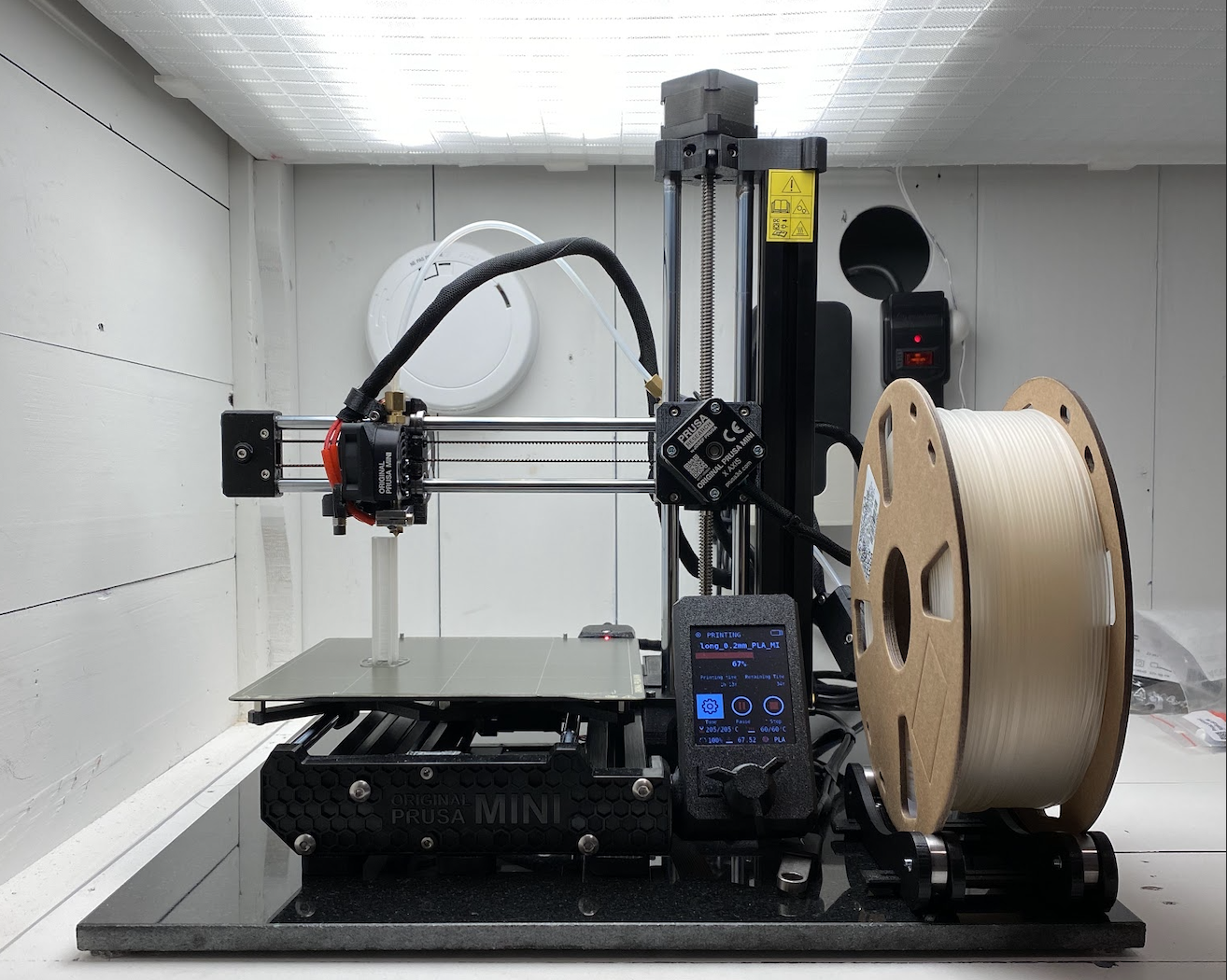
North American companies ordered 8,940 robots valued at $622 million in Q2 2026, marking a 4.3% increase in units and a 21.3% revenue jump from Q2 2025. This surge underscores a significant shift as diverse industries, beyond traditional automotive, increasingly adopt automation.
What Happened
In the second quarter of 2026, the Association for Advancing Automation (A3) reported a notable rise in robot orders across various sectors. The total number of robots ordered reached 8,940, valued at $622 million, reflecting a 4.3% increase in units and a substantial 21.3% increase in revenue compared to the same period in 2025. This growth contributed to first-half totals of 17,995 units valued at $1.166 billion, indicating a 2.0% growth in units and a 6.6% increase in order value over the first half of 2025. Notably, industries such as semiconductors, electronics, life sciences, and consumer goods showed robust growth, with semiconductor and electronics orders rising by 35% and life sciences by 32% in the first half of the year.
What This Means for Your Business
For AECM professionals, the expanding adoption of robotics across diverse industries presents new opportunities and challenges. The increasing reliance on automation in sectors like life sciences and semiconductors can lead to enhanced efficiency and productivity, which may influence project timelines and costs in construction and engineering projects. As automation becomes integral to operational strategies, companies must consider investing in robotics to remain competitive. This trend also presents an opportunity for government contractors to explore automation solutions to fulfill federal contracts more efficiently, possibly leading to cost savings and increased ROI.
What US Operators Should Watch
US operators should closely monitor the continued expansion of robotics in non-automotive sectors. The growing market for collaborative robots, which accounted for 15.4% of all robot units ordered in the first half of 2026, particularly in life sciences and electronics, could redefine industry standards. Staying informed about advancements in collaborative robotics and understanding their applications can help businesses leverage these technologies for improved project outcomes. Furthermore, tracking future reports from A3 will be crucial to anticipate shifts in automation demand and adjust procurement strategies accordingly.
Source: http://www.ManufacturingTomorrow.com/news/2026/08/11/robot-orders-increase-in-q2-as-automation-demand-broadens-across-industries/28028. Read the original story ->
Partner Insight · VisioneerIT
The increasing reliance on automation and robotics in various sectors aligns with the need for robust software engineering and digital modernization. Companies looking to enhance their operational efficiency can benefit from investing in advanced software solutions that support automation initiatives.
Explore VisioneerIT Cybersecurity →
Is your firm ready for what’s next?
VisioneerIT helps AECM and government contractors modernize operations, achieve compliance, and implement AI.
Explore VisioneerIT Solutions →