Gravis Robotics has secured a landmark $200 million investment from SoftBank in its Series A funding round, marking the largest investment in construction robotics history. This significant capital injection is set to propel Gravis Robotics into the forefront of the construction industry, which has been notably slow in adopting automation technologies. As the demand for infrastructure repairs, AI data center buildouts, and U.S. reshoring and defense projects surge, the move towards automated construction solutions becomes increasingly critical.
What Happened
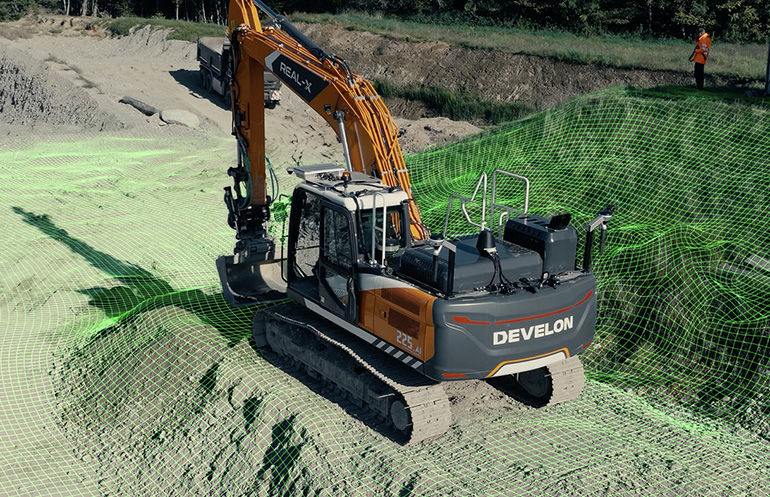
Gravis Robotics, a company spun out of ETH Zurich in 2022, has developed innovative autonomous solutions for the construction industry, focusing on retrofitting existing heavy machinery with its Gravis Rack autonomous control kit and software. The company addresses the unique challenges of earthmoving in construction—a field where traditional automation methods often fall short. Unlike static environments such as those for self-driving cars, construction sites require dynamic, adaptable systems. Gravis Robotics utilizes synthetic training models to simulate a wide range of earthmoving scenarios, enabling its AI to operate with factory-floor precision across diverse jobsite conditions.
The investment from SoftBank will allow Gravis Robotics to expand its operations, hire top-tier engineers, and deploy its technology across major construction sites globally. Ryan Luke Johns, co-founder and CEO, emphasized the transformative potential of their technology, stating that it aims to overcome the bottlenecks in foundational construction work.
What This Means for Your Business
For U.S. operators in the architecture, engineering, construction, and manufacturing (AECM) sectors, this development signals a pivotal shift towards greater automation and efficiency. The integration of Gravis Robotics' autonomous systems into existing fleets can lead to significant cost savings and productivity gains. Contractors can leverage these technologies to handle large-scale infrastructure projects more effectively, meeting the rising demand for rapid and precise construction solutions.
This advancement also aligns with federal initiatives aimed at modernizing infrastructure and reshoring manufacturing capabilities. Companies that integrate Gravis Robotics' solutions may find themselves better positioned to secure government contracts and funding opportunities, particularly those focused on infrastructure and defense.
What US Operators Should Watch
As Gravis Robotics begins to scale its operations, U.S. operators should closely monitor the rollout of their technology across various construction sites. Key considerations include understanding the compatibility of Gravis Rack with existing machinery and evaluating the potential return on investment. Additionally, staying informed about federal procurement deadlines and funding opportunities related to infrastructure and defense will be crucial for companies looking to capitalize on this technological shift.
With the construction industry poised for a wave of automation, the strategic adoption of Gravis Robotics' solutions could offer a competitive edge. Decision-makers in the AECM sectors should consider the implications of this technology on their operations and explore partnerships or investments that align with this trend.
Source: https://www.therobotreport.com/gravis-robotics-raises-200m-autonomous-construction/. Read the original story ->
Partner Insight · VisioneerIT
The advancements in construction automation, as demonstrated by Gravis Robotics, highlight the importance of modernizing legacy systems to enhance efficiency and productivity. Companies looking to stay competitive in this evolving landscape can benefit from software engineering and digital modernization services.
Explore VisioneerIT Cybersecurity. →
Is your firm ready for what’s next?
VisioneerIT helps AECM and government contractors modernize operations, achieve compliance, and implement AI.
Explore VisioneerIT Solutions →