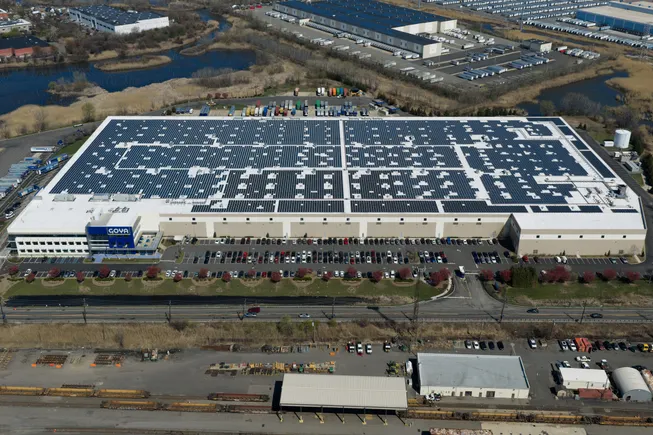
Google's recent expansion of its virtual power plant (VPP) in the PJM Interconnection to over 1 gigawatt marks a significant step in the integration of distributed energy resources into the grid. This development could reshape energy procurement strategies for commercial and industrial operators in the region.
What Happened
Google announced a substantial expansion of its virtual power plant initiative in collaboration with Voltus, increasing the VPP's capacity from an initial 100 megawatts to 1,070 megawatts. This agreement, revealed on October 22, 2026, involves the aggregation of distributed resources such as residential and commercial batteries, smart thermostats, on-site generation, and industrial process adjustments. Voltus will manage these resources, offering them into PJM's market during periods of grid stress. This move reflects a growing trend where distributed energy resources are being integrated into energy markets, akin to the power purchase agreements that facilitated the growth of utility-scale renewable energy projects.
Voltus plans to scale the VPP to its full capacity over the next three to four years, with a contract running through 2040. PJM, the largest wholesale power market in the U.S., has been facing challenges in maintaining grid reliability due to increased demand, particularly from data centers. This situation has driven demand response revenue in the region up by 240% from 2024 to 2025, reaching $523.5 million, as reported by Monitoring Analytics. The VPP's role in reducing peak demand could also exert downward pressure on electricity rates.
What This Means for Your Business
For businesses operating within the PJM Interconnection, this development presents both challenges and opportunities. Contractors and suppliers in the energy sector might find new avenues for collaboration with Google and Voltus, as the demand for distributed energy resources grows. The project underscores the importance of integrating flexible assets into energy strategies to capitalize on demand response payments, which can reach up to $350,000 per megawatt-year.
Moreover, the VPP's potential to reduce peak demand could translate to lower operational costs for energy-intensive industries. Compliance officers and procurement directors should stay informed about evolving regulations and frameworks like PJM's proposed "bring your own new capacity" rule, which could impact future energy supply strategies.
What US Operators Should Watch
Decision-makers should closely monitor the timeline for scaling the VPP to its full capacity over the next three to four years. Keeping an eye on PJM's regulatory developments, particularly around the "bring your own new capacity" initiative, will be crucial for navigating potential restrictions on power supply connections. Additionally, operators should track demand response revenue trends and explore participation in such programs to optimize energy costs and align with sustainability goals.
Is your firm ready for what’s next?
VisioneerIT helps AECM and government contractors modernize operations, achieve compliance, and implement AI.
Explore VisioneerIT Solutions →