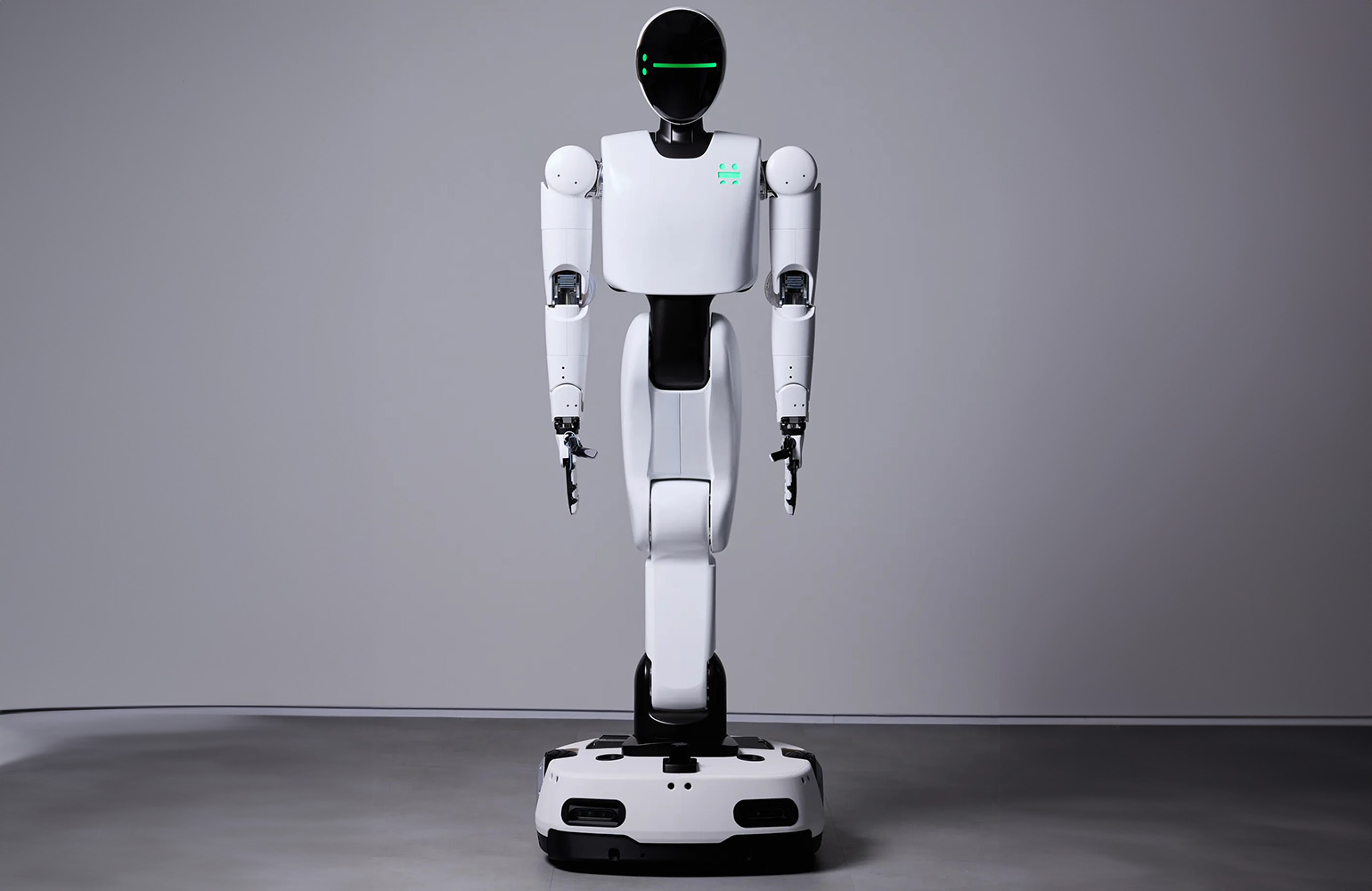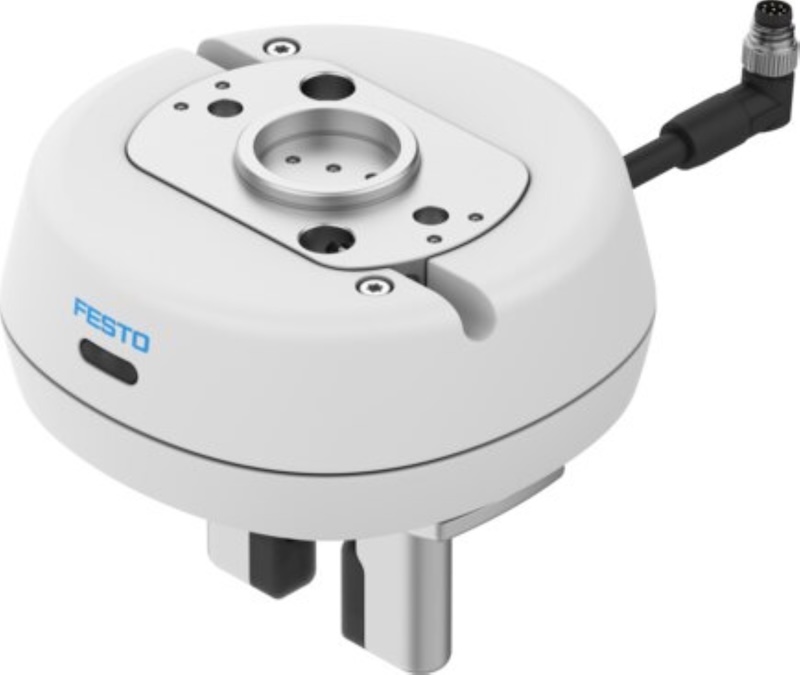
Festo has unveiled its HPPH two-finger pneumatic gripper, specifically designed for collaborative robot (cobot) applications. This new gripper aims to address the mounting and payload challenges faced by cobots, offering a streamlined solution that integrates control, sensing, and safety functions directly into its body.
What Happened
Festo's introduction of the HPPH gripper marks a significant advancement in cobot technology. Traditional pneumatic grippers often require external valves, sensors, and wiring, adding unnecessary weight and complexity to cobot setups. The HPPH gripper, however, integrates these components, reducing the need for additional external parts. This integration not only preserves the cobot's payload capacity but also simplifies the mounting and wiring processes, which are crucial for maintaining operational efficiency. The gripper, available through Festo and the Universal Robotics Marketplace, is designed for a wide range of applications, including electronics manufacturing, medical and laboratory automation, packaging, automotive subassembly, and semiconductor operations. Its compact and lightweight design, weighing just 1.5 pounds, supports handling objects up to 2.2 pounds.
Why It Matters for the AECM Industry
For the AECM industry, the introduction of the HPPH gripper could streamline automation processes by reducing the complexity and installation time of cobot systems. This is particularly important in industries where space and weight constraints are critical, such as electronics and automotive manufacturing. The gripper's compliance with ISO/TS 15066 and TÜV Süd-certification ensures that it meets safety standards, which is a significant consideration for industries that prioritize collaborative operations. By minimizing the mechanical load on smaller cobots, the HPPH gripper enhances productivity and reduces downtime associated with complex setup procedures. Additionally, the option for an IO-Link version allows for enhanced diagnostics and remote configuration, offering further operational efficiencies.
What's Next
Professionals in the AECM industry should monitor the adoption of the HPPH gripper in various sectors, as its integration could signal broader trends in cobot utilization and automation strategies. Upcoming developments may include the expansion of its application in environments previously unsuitable for pneumatic grippers, provided safety and performance standards are met. Businesses should also look out for future updates or iterations of the gripper that might extend automation strategies in new directions.
Partner Insight · VisioneerIT
The integration of advanced gripper technology in cobots highlights the need for robust software solutions to manage automation workflows. VisioneerIT specializes in developing scalable software systems that enhance automation efficiency and support digital transformation strategies.
Explore VisioneerIT Cybersecurity →
Is your firm ready for what’s next?
VisioneerIT helps AECM and government contractors modernize operations, achieve compliance, and implement AI.
Explore VisioneerIT Solutions →