Application engineering for assembly systems is rapidly transforming the manufacturing landscape, emerging as a significant competitive advantage. As factories strive for increased output and reduced errors, engineering these systems effectively has become paramount. This shift is crucial for the AECM industry as it impacts production efficiency, cost savings, and sustainability.
What Happened
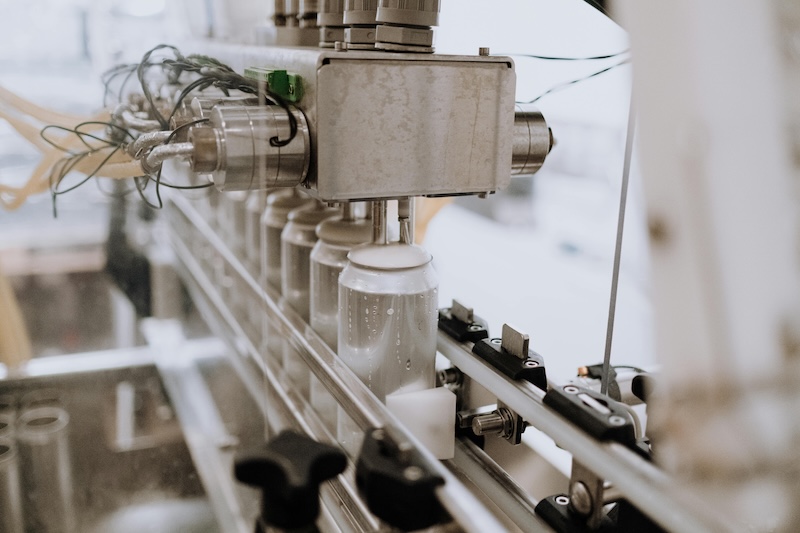
Application engineering is becoming an essential aspect of manufacturing, particularly in assembly systems where performance is no longer solely about speed. Companies such as Atlas Copco are leveraging advanced technologies to create smarter, more flexible, and sustainable production lines. The focus is on keeping machines connected and optimized to match real-time factory floor conditions. Industry automation studies reveal that unplanned downtime can drain approximately 11% of annual revenue for top global manufacturers, highlighting the importance of control, predictability, and precision in assembly systems.
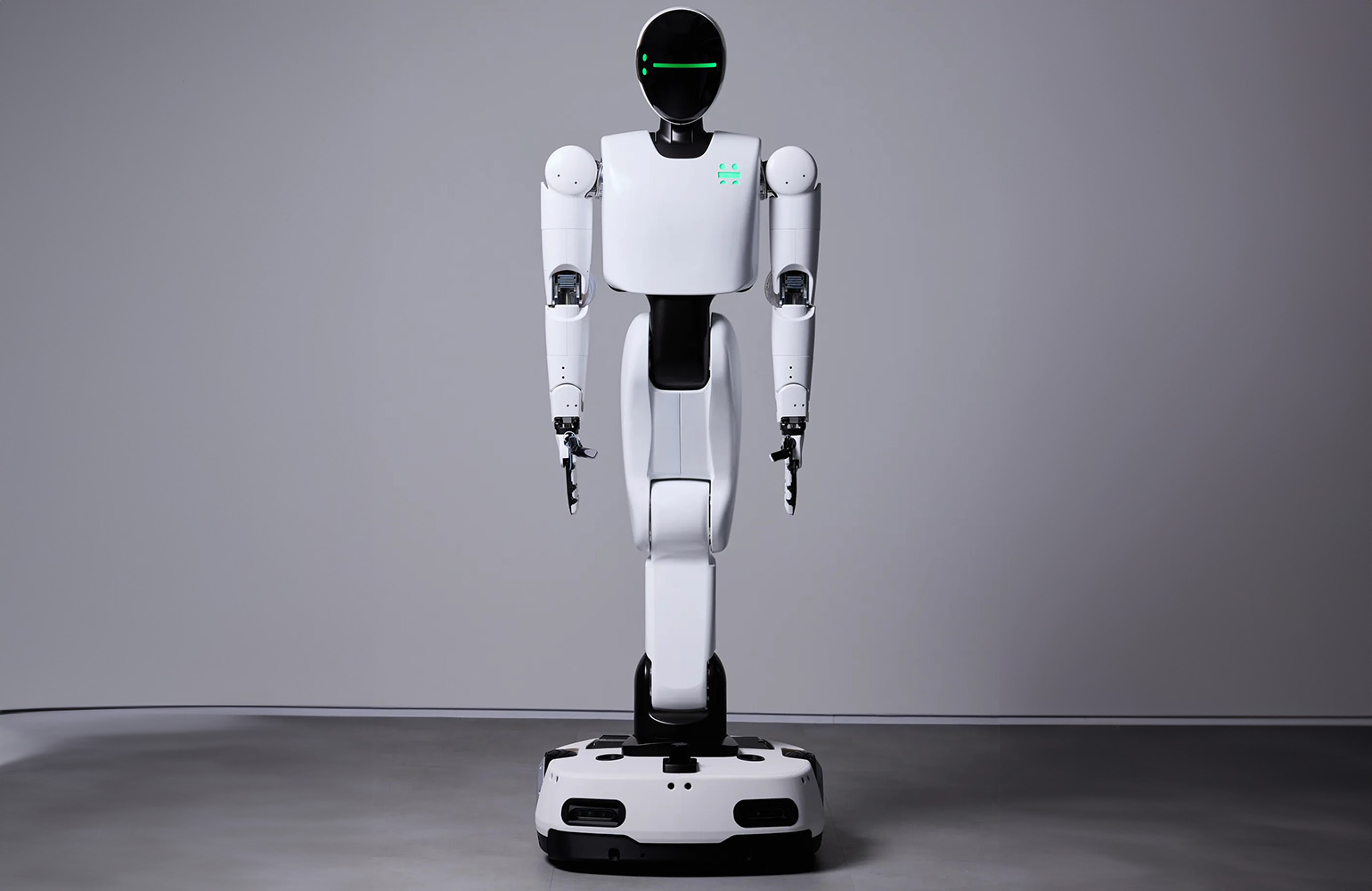
Application engineering has emerged as a solution to the complexity faced by modern assembly lines, which can involve hundreds of connected tools, sensors, and robots. For instance, automotive OEMs run over 1,000 tightening operations per vehicle. A mere 1% error rate in fastening can result in thousands of quality issues in high-volume production. Engineers now map the entire production flow, ensuring torque accuracy, monitoring tool wear, and setting up feedback loops to minimize variations.
Why It Matters for the AECM Industry
For the AECM industry, the evolution of application engineering in manufacturing assembly systems is significant. It directly impacts cost-effectiveness, operational efficiency, and quality control. By reducing unplanned downtime, manufacturers can safeguard a substantial portion of their revenue. Moreover, the integration of robotics and advanced data analytics into assembly systems enhances precision and reduces errors, leading to improved quality and reduced waste.
The use of standard core products, built from extensive field data, allows engineers to focus on optimization rather than basic reliability concerns. This consistency is crucial in the face of environmental fac
Partner Insight · VisioneerIT
As application engineering transforms manufacturing assembly systems, VisioneerIT offers expertise in software engineering and digital modernization to enhance production line efficiency. Our capabilities include full-stack development and workflow automation, crucial for optimizing complex assembly systems.
Explore VisioneerIT Cybersecurity →
Is your firm ready for what’s next?
VisioneerIT helps AECM and government contractors modernize operations, achieve compliance, and implement AI.
Explore VisioneerIT Solutions →