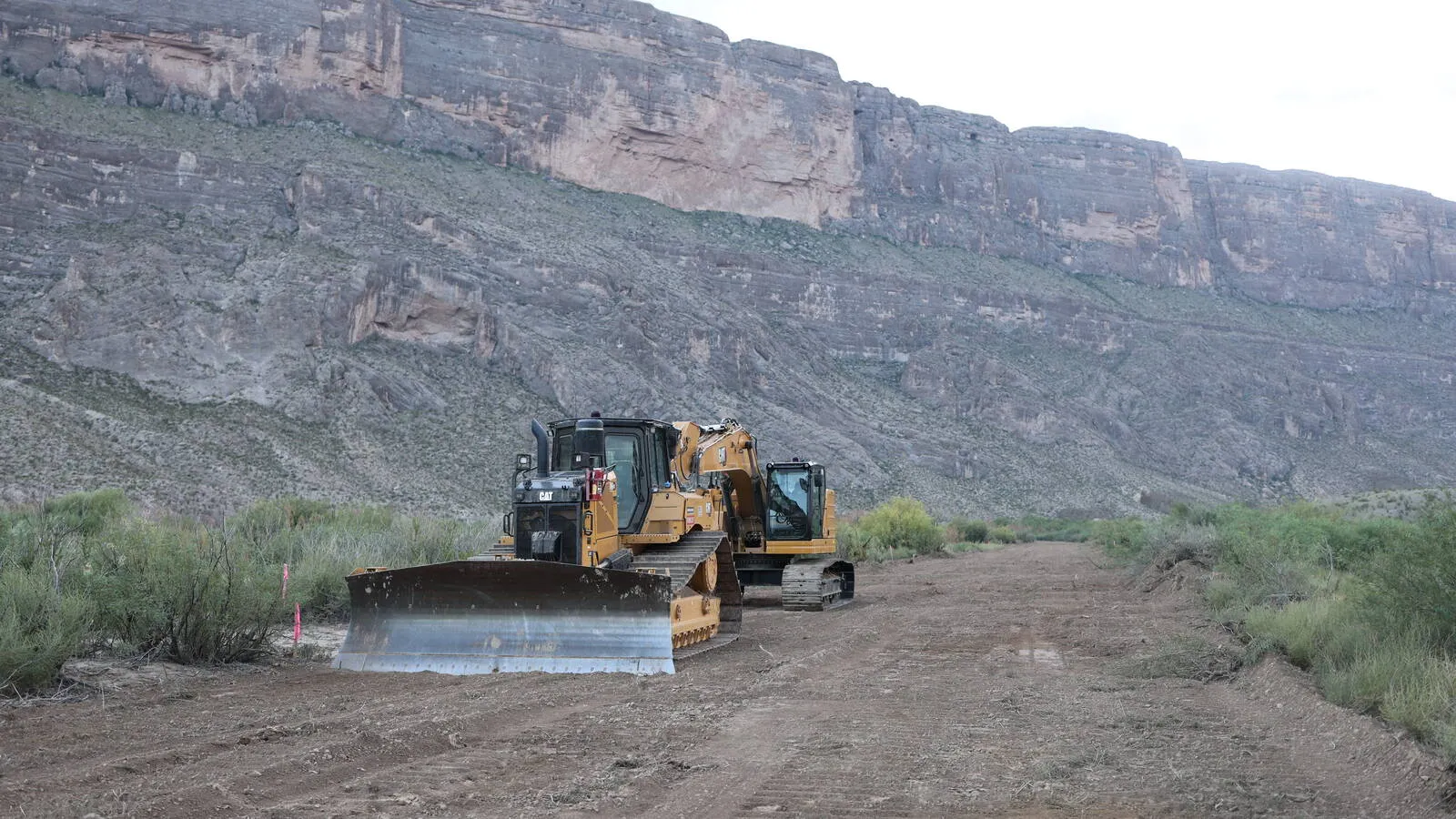
Customs and Border Protection (CBP) has halted construction of the border wall at Big Bend National Park, responding to increased scrutiny from national entities and advocacy from the National Parks Conservation Association. This decision is part of a broader debate over the environmental and social impacts of such infrastructure projects, highlighting the complex interplay between federal initiatives and public interest.
What Happened
The halt in construction at Big Bend National Park, a protected area known for its unique ecosystem and biodiversity, underscores the federal government's responsiveness to public and environmental advocacy. The National Parks Conservation Association has been vocal in its opposition, citing potential damage to the park's natural landscape and wildlife. This pause comes amidst a backdrop of heightened national scrutiny over the environmental impact of large-scale construction projects, particularly those involving federal lands and sensitive ecological zones.
The pause is not indefinite, but it serves as a critical juncture in federal infrastructure planning. It raises questions about the future of border wall projects and their alignment with environmental standards and public sentiment. The decision by CBP reflects a growing trend where federal agencies must balance infrastructure development with sustainable practices and community engagement.
What This Means for Your Business
For AECM professionals, this development signals potential shifts in federal procurement and contracting practices. Companies engaged in or considering bidding on federal construction projects may need to reassess their compliance strategies, particularly regarding environmental regulations and community impact assessments. The growing emphasis on sustainable and socially responsible practices could influence project timelines, costs, and competitive positioning.
Compliance with frameworks such as the Cybersecurity Maturity Model Certification (CMMC) and adherence to National Institute of Standards and Technology (NIST) guidelines may become increasingly critical as government contracts demand higher standards of accountability and transparency. This shift could also create opportunities for firms specializing in environmental impact assessments and sustainable construction methodologies.
What US Operators Should Watch
AECM professionals should closely monitor federal policy updates and procurement notices related to infrastructure projects on federal lands. Deadlines for compliance with new environmental standards and cybersecurity certifications, such as CMMC audits, could impact bidding opportunities and project execution timelines. Staying informed on regulatory changes and stakeholder expectations will be crucial for maintaining competitive advantage and ensuring alignment with federal priorities.
Source: https://www.constructiondive.com/news/feds-halt-border-wall-construction-big-bend-national-park/828239/. Read the original story ->
Partner Insight · VisioneerIT
The recent pause on border wall construction highlights the importance of compliance with federal regulations, particularly in relation to environmental standards. Companies looking to navigate these complexities can benefit from VisioneerIT's expertise in federal contracting and compliance support.
Explore VisioneerIT Cybersecurity →
Is your firm ready for what’s next?
VisioneerIT helps AECM and government contractors modernize operations, achieve compliance, and implement AI.
Explore VisioneerIT Solutions →