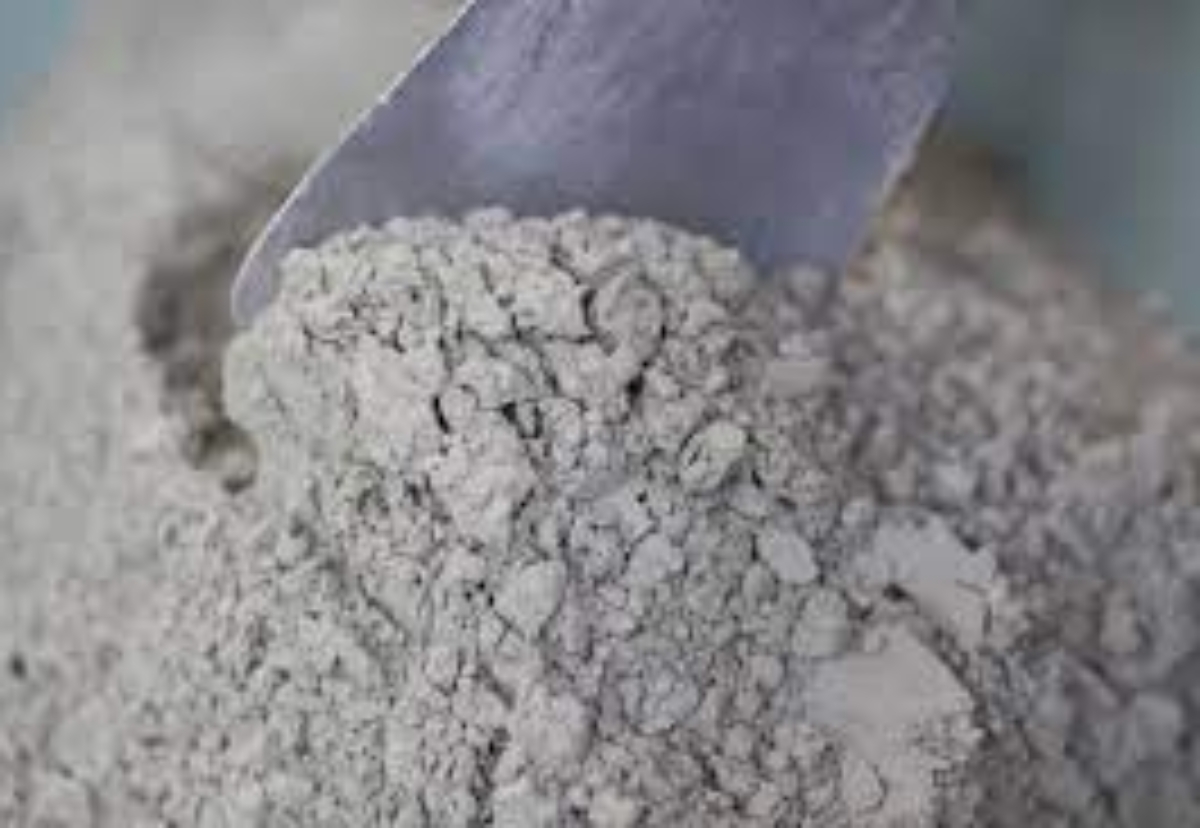
The European Union's Carbon Border Adjustment Mechanism (CBAM) has inadvertently led to an increase in high-carbon cement imports to the UK, sparking concerns over competitive disadvantages for domestic manufacturers. As the UK prepares to implement its own CBAM by January 2027, industry leaders are urging the government to ensure the policy is robust enough to create a level playing field.
What Happened
The Mineral Products Association (MPA) has reported a significant rise in non-European cement imports, which accounted for 29.3% of UK cement imports from January to September 2026—an increase from 17.1% in the same period in 2025. The MPA's analysis of HMRC figures indicates that cement from outside the EU, possibly from countries like Turkey, is being produced using high-emission methods such as coal-powered kilns. This shift comes as the EU's CBAM imposes stricter carbon pricing on imports, effectively redirecting higher carbon products to markets with less stringent policies, like the UK.
Martin Casey, senior director for cement and lime at the MPA, highlighted the competitive disadvantage faced by UK manufacturers who are subject to higher emissions costs compared to their overseas counterparts. He emphasized the need for the UK to close this competitiveness gap to prevent carbon leakage and support domestic industrial growth.
What This Means for Your Business
For construction and engineering firms in the UK, the influx of high-carbon cement could pose compliance challenges, particularly as sustainability and carbon footprint considerations become increasingly pivotal in securing contracts. The upcoming UK CBAM, while a step forward, may initially offer lower fees than the EU's mechanism, potentially allowing foreign producers to undercut UK manufacturers. This could impact procurement decisions, cost structures, and the overall competitiveness of UK-based operations.
Moreover, aligning with the EU's emissions trading schemes could provide a more consistent regulatory environment, helping companies to better manage compliance costs and reduce the risk of emissions offshoring. The UK's move towards its own CBAM presents both a challenge and an opportunity for businesses to advocate for policies that support fair competition and sustainable practices.
What US Operators Should Watch
US operators with interests in the UK construction market should monitor the implementation of the UK's CBAM set for January 2027, along with the subsequent adjustments planned for 2029, when the policy will adopt country-specific default emission values. This timeline will be crucial for understanding how the competitive landscape might shift and what compliance measures will be necessary.
Additionally, businesses should keep an eye on any UK government negotiations to align their CBAM with the EU's system, as this could influence market dynamics and procurement strategies. Staying informed about these developments will be critical for maintaining competitive advantage and ensuring compliance in a rapidly evolving regulatory environment.
Source: The Construction Index. Read the original story ->
Is your firm ready for what’s next?
VisioneerIT helps AECM and government contractors modernize operations, achieve compliance, and implement AI.
Explore VisioneerIT Solutions →