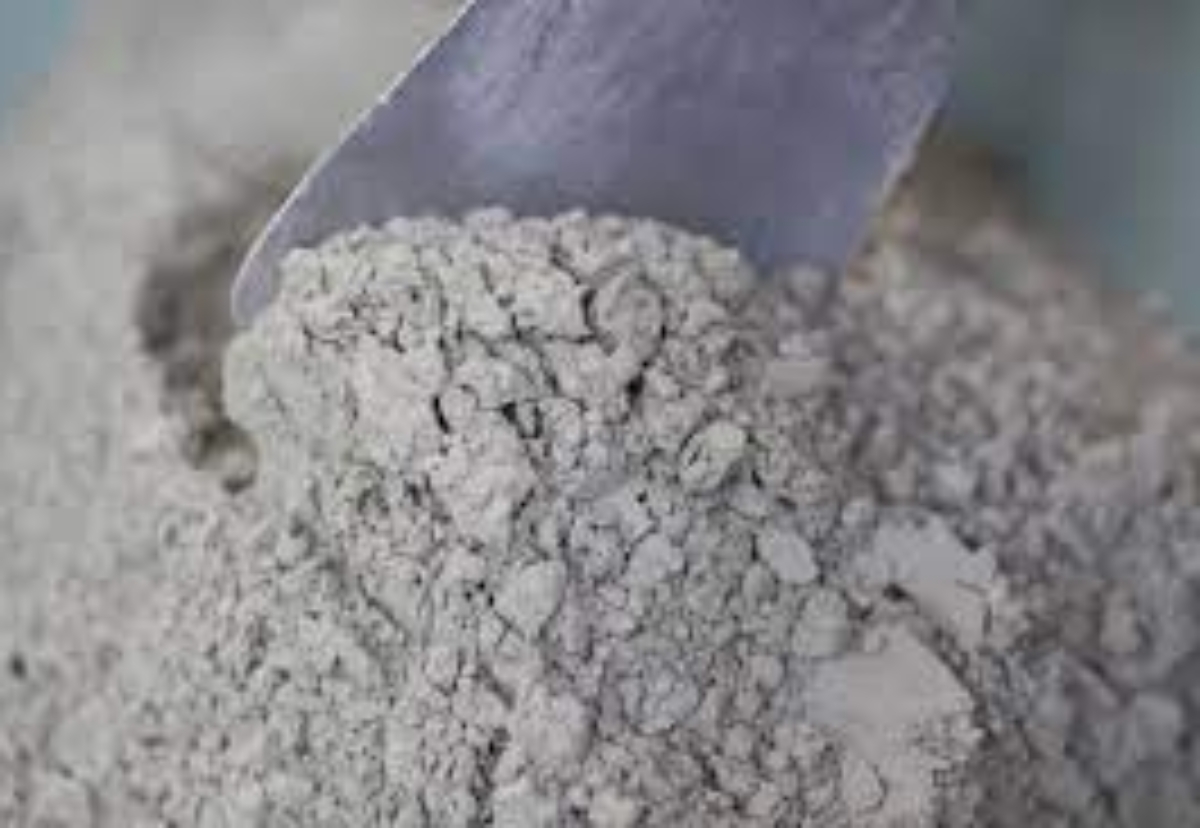
The UK's construction industry is experiencing a significant shift in cement sourcing, with non-EU imports hitting record levels. This change is driven by the recent implementation of the EU's Carbon Border Adjustment Mechanism (CBAM) in January 2026, which taxes emissions-intensive imports like cement. As a result, overseas suppliers are redirecting shipments to the UK, where a similar carbon tax will not be enforced until January 2027.
What Happened
The Mineral Products Association (MPA) has reported that 29% of the UK's cement imports in the first nine months of 2026 originated from non-EU countries, a substantial increase from 17% during the same period in 2025. This surge is attributed to the EU's CBAM, which has effectively increased the cost of exporting cement to EU countries, incentivizing suppliers from non-EU countries to target the UK market instead. Notably, new supply routes have been established between UK import terminals and Turkish cement producers, further boosting non-EU imports.
The MPA has raised concerns that the UK might become a dumping ground for high-carbon cement from countries with less stringent environmental regulations. Martin Casey, the MPA's senior director for cement and lime, emphasized the competitive disadvantage faced by UK manufacturers due to the disparity in emissions costs. The UK government plans to introduce its carbon tax in January 2027, but the MPA argues that the proposed charges will be less stringent than those imposed by the EU, potentially undermining domestic producers.
What This Means for Your Business
For businesses involved in construction and government contracting, this shift in cement sourcing presents both challenges and opportunities. The influx of cheaper, higher-carbon cement from non-EU countries could lower material costs in the short term. However, companies must consider the long-term implications of relying on imports that may not align with future carbon reduction commitments.
Compliance with upcoming carbon regulations will be crucial. The introduction of the UK's CBAM in 2027 will necessitate adjustments in procurement strategies to mitigate potential cost increases. Businesses should prepare for the eventual alignment of the UK and EU emissions trading schemes, which could lead to stricter carbon cost structures.
What US Operators Should Watch
US operators with interests in the UK market should closely monitor the outcome of the upcoming EU-UK Summit, where an agreement on linking emissions trading schemes is anticipated. This agreement could lead to reciprocal exemptions from carbon border taxes, impacting cost structures for imported materials. Additionally, the UK government's approach to carbon pricing and potential legislative changes will be critical factors influencing procurement strategies and competitive positioning.
To stay competitive, US businesses should evaluate their supply chains and consider diversifying sources to include low-carbon options, preparing for a future where carbon costs play a more significant role in procurement decisions.
Is your firm ready for what’s next?
VisioneerIT helps AECM and government contractors modernize operations, achieve compliance, and implement AI.
Explore VisioneerIT Solutions →


