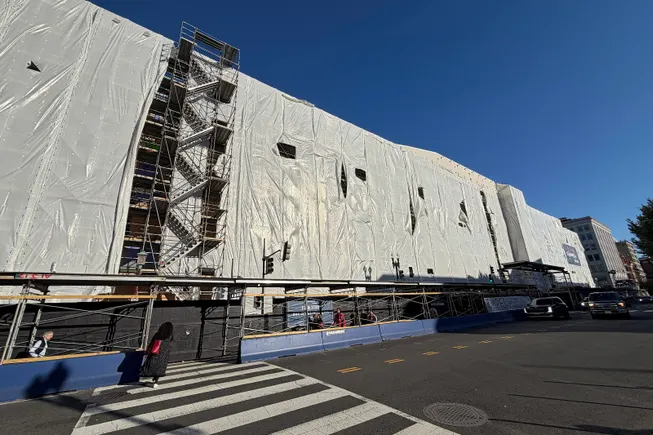
The construction industry is experiencing a growing divide, with billion-dollar projects dominating the landscape and smaller firms struggling to keep pace. As financial pressures mount, the winners and losers become even more apparent.
What Happened
Projects valued over $1 billion are consuming the majority of capital in nonresidential construction this year, largely driven by massive data center builds. According to Anirban Basu, chief economist for the Associated Builders and Contractors (ABC), approximately one in six firms are engaged in these projects, marking a record high. Basu highlighted during an October 7 economic forecast webinar that the economic extremes are intensifying, with successful sectors booming and struggling ones facing heightened challenges.
Increased competition among contractors is another significant trend. Basu noted that in Jackson, Mississippi, the number of bidders for projects has increased dramatically, with some jobs attracting 12 to 16 bids compared to the usual two to four. This surge in competition, along with rising financing costs, is pressuring contractors to lower their bids, which could further squeeze profit margins. Indeed, 32% of webinar attendees expect their margins to decline over the next 12 months, a jump from 26% in July.
What This Means for Your Business
For contractors and firms in the construction sector, these trends signal a need for strategic adjustments. With heightened competition and tighter financing conditions, firms may need to refine their bidding strategies and seek efficiencies to maintain profitability. The focus on billion-dollar projects, particularly data centers, suggests that firms engaged in these areas might continue to see robust demand. However, those in sectors like hotel, commercial, and retail development may find it harder to pass on costs, emphasizing the importance of cost management and strategic partnerships.
Compliance with federal standards, such as the Cybersecurity Maturity Model Certification (CMMC), remains crucial as firms navigate these economic pressures. Additionally, understanding the implications of potential tariff policies, particularly concerning key construction materials like steel and copper, will be essential for cost forecasting and procurement planning.
What US Operators Should Watch
Key dates and regulatory developments will be critical for decision-makers to track. With Basu predicting that tariffs might increase under the Trump administration in 2027, firms should prepare for sustained high materials costs. Monitoring geopolitical developments, such as the situation in the Strait of Hormuz, could also impact oil prices and, by extension, construction input costs.
Operators should stay informed about federal funding opportunities and procurement windows, particularly those related to large-scale infrastructure and technology projects like data centers. Staying ahead of these trends will be vital for maintaining competitive positioning in a rapidly evolving market.
Source: Construction Dive.
Is your firm ready for what’s next?
VisioneerIT helps AECM and government contractors modernize operations, achieve compliance, and implement AI.
Explore VisioneerIT Solutions →