Commercial interior construction projects are fraught with complexity, involving a myriad of stakeholders from conception to completion. As these projects continue to evolve, the need for a coordinated approach has never been more pressing.
What Happened
In the realm of commercial interior construction, the coordination of multiple teams and tasks remains a significant hurdle. The traditional approach often involves fragmented scopes with separate vendors and trades, each managing their part of the project. This division can lead to inefficiencies, increased costs, and schedule delays. For instance, a minor adjustment in flooring height, if communicated late, can ripple through the project, affecting schedules and budgets. Similarly, fluctuations in material lead times can disrupt timelines, as seen when delays in flooring materials impact subsequent installations such as walls and fixtures.
To address these challenges, the industry is shifting towards a more integrated project team model. This approach seeks to reduce the number of handoffs between separate teams by integrating design, manufacturing, and construction processes. The aim is to create a connected team that can manage dependencies more effectively and adapt to changes with greater flexibility.
What This Means for Your Business
For AECM professionals, adopting a unified team model could lead to significant improvements in project delivery. By reducing handoffs and integrating processes, companies can minimize installation issues, redesign costs, and procurement delays. This approach not only streamlines operations but also enhances project ownership and accountability, leading to better outcomes.
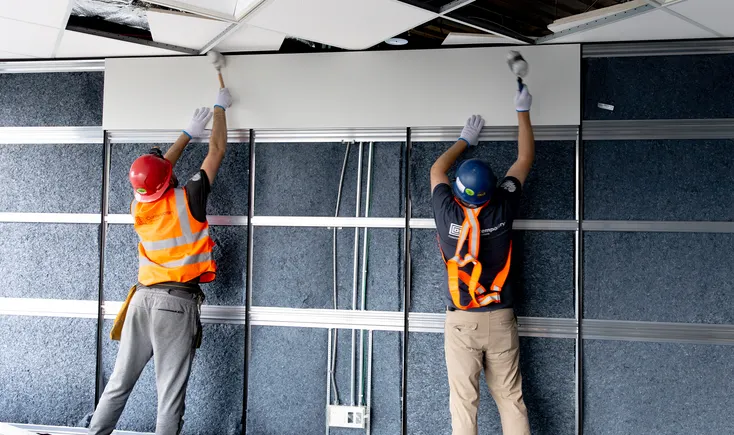
Furthermore, the integration of prefabricated interior construction methods can offer additional advantages. By coordinating design, engineering, manufacturing, and installation within a single team, the industry can reduce dependencies and create more opportunities to accommodate changes quickly. This flexibility is crucial in an environment where unexpected site conditions and material price fluctuations are common.
What US Operators Should Watch
US operators should closely monitor the adoption of integrated project delivery models and prefabricated construction techniques. As these methods gain traction, they may influence federal procurement strategies and compliance requirements. Staying informed about these trends can help businesses remain competitive and aligned with evolving industry standards.
Additionally, operators should remain vigilant about material lead time fluctuations and labor availability, as these factors can significantly impact project schedules. By maintaining open lines of communication and ensuring timely access to accurate documentation, companies can better manage dependencies and mitigate schedule disruptions.
Source: Construction Dive. Read the original story ->
Is your firm ready for what’s next?
VisioneerIT helps AECM and government contractors modernize operations, achieve compliance, and implement AI.
Explore VisioneerIT Solutions →