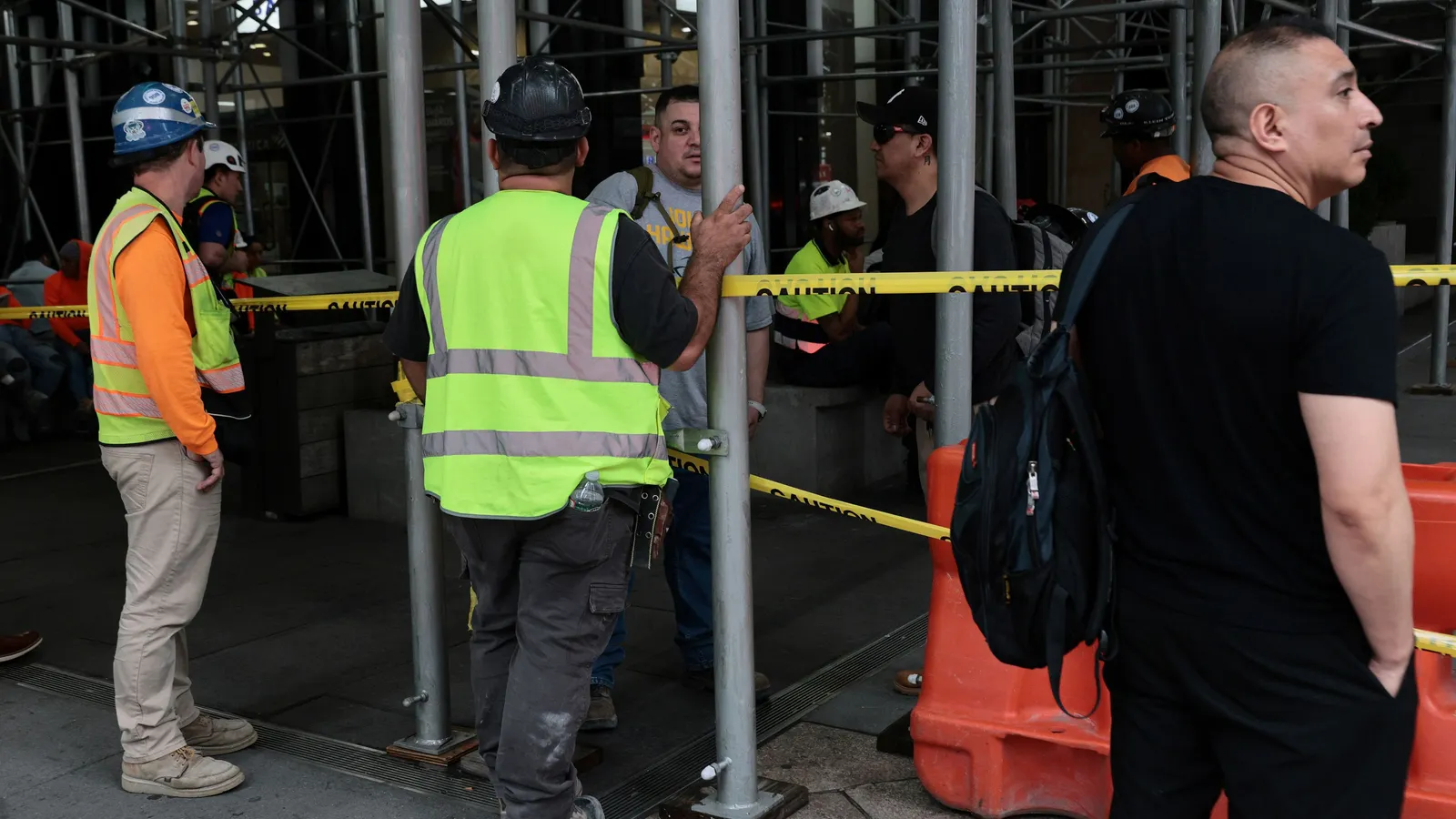
The recent structural failure of a Manhattan building underscores the risks involved in office-to-apartment conversions, according to a former president of the American Society of Civil Engineers (ASCE). The building, intended to be an office space, could not bear the additional load required for residential use, highlighting critical considerations for future conversion projects.
What Happened
In a detailed analysis, a former ASCE president pointed to the inherent challenges when converting office spaces into residential apartments. The Manhattan building in question faced structural issues due to the additional weight imposed by the conversion process. These challenges are not uncommon as the architectural and engineering demands shift significantly from office to residential use. The former ASCE leader emphasized that the original design of these structures often does not account for the increased load and different load distribution required in residential settings. The incident serves as a cautionary tale for developers and engineers, stressing the importance of thorough structural evaluations and potential reinforcements when undertaking such conversions.
What This Means for Your Business
For AECM professionals, this incident highlights the need for rigorous compliance with structural integrity standards and adaptive reuse guidelines. As more urban centers look to repurpose office spaces in response to shifting market demands, ensuring compliance with the latest engineering standards becomes crucial. This includes adherence to the National Institute of Standards and Technology (NIST) guidelines and the upcoming Cybersecurity Maturity Model Certification (CMMC) requirements for contractors involved in federal projects. Additionally, businesses should anticipate potential increases in project costs due to the need for enhanced structural assessments and reinforcements, impacting ROI calculations.
What US Operators Should Watch
Operators engaged in similar conversion projects should prioritize upcoming federal regulations and standards that impact building conversions. Keeping abreast of changes in compliance requirements such as NIST and CMMC is essential for maintaining project eligibility and competitive advantage. Additionally, firms should monitor procurement opportunities tied to federal funding for urban redevelopment projects, which may offer financial incentives for compliant conversion initiatives.
Source: https://www.constructiondive.com/news/manhattan-building-conversion-type-contributed-engineer/825223/. Read the original story ->
Is your firm ready for what’s next?
VisioneerIT helps AECM and government contractors modernize operations, achieve compliance, and implement AI.
Explore VisioneerIT Solutions →