On the five-year anniversary of the tragic Surfside condominium collapse, the spotlight returns to building safety practices. In a recent report by Facilities Dive, experts underscore the urgency of implementing advanced structural monitoring systems to prevent future disasters. This comes at a critical juncture for the construction industry as aging infrastructure and stricter safety regulations demand more proactive measures.
What Happened
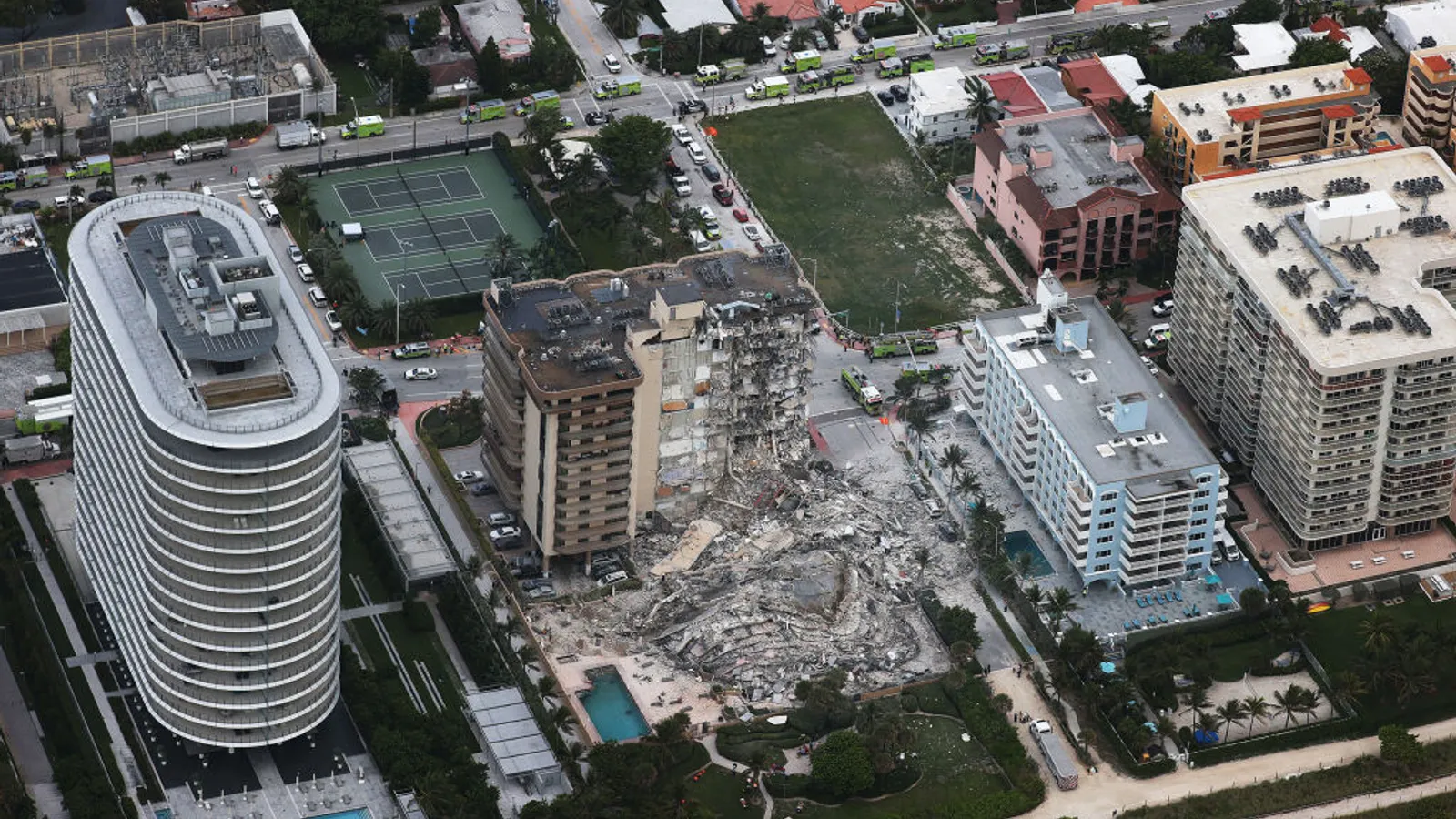
The collapse of the Champlain Towers South in Surfside, Florida, on June 24, 2018, was a wake-up call for the construction and real estate sectors. The incident, which resulted in 98 fatalities, highlighted the catastrophic consequences of neglecting structural health. In response, building safety specialists are advocating for the integration of continuous structural monitoring technologies. These systems use sensors and data analytics to provide real-time insights into a building's structural integrity, allowing for early detection of potential issues.
What This Means for Your Business
For U.S. construction and engineering firms, the push towards structural monitoring represents both a challenge and an opportunity. On one hand, companies must navigate the complexities of adopting new technologies, which may require significant investment and training. On the other hand, these systems can enhance compliance with evolving safety standards, such as those set by the American Society of Civil Engineers (ASCE) and the International Building Code (IBC). Moreover, firms that pioneer in implementing these technologies could gain a competitive edge, offering safer and more reliable buildings to clients. The potential for reduced liability and insurance costs further sweetens the proposition.
What US Operators Should Watch
As federal and state regulators tighten building safety regulations, AECM professionals should keep an eye on key compliance deadlines and funding opportunities. The Federal Emergency Management Agency (FEMA) and other agencies may offer grants or incentives for adopting advanced monitoring systems. Additionally, the Construction Industry Institute (CII) is expected to release new guidelines on structural health monitoring by mid-2024, which could influence future procurement and project planning. Staying ahead of these developments will be crucial for maintaining compliance and securing government contracts.
Source: https://www.facilitiesdive.com/news/apartment-building-safety-structural-monitoring-surfside/823579/. Read the original story ->
Is your firm ready for what’s next?
VisioneerIT helps AECM and government contractors modernize operations, achieve compliance, and implement AI.
Explore VisioneerIT Solutions →