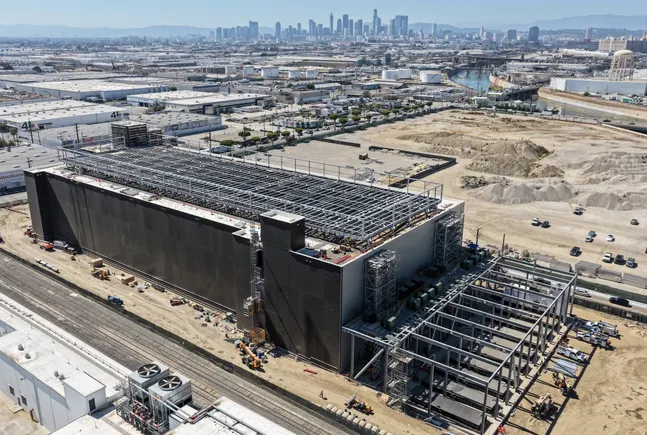
California Governor Gavin Newsom has signed seven new bills into law, radically changing how data centers operate within the state by giving local communities more control over these developments. As data centers proliferate, the stakes for energy consumption and environmental impact grow, making these changes crucial for AECM industry professionals.
What Happened
California, home to 296 data centers, the third highest number in the U.S., is redefining its approach to data center development. On September 23, 2026, Governor Gavin Newsom signed into law a suite of bills requiring data centers to disclose energy and water use, pay for grid infrastructure upgrades, and undergo environmental reviews. This legislative package is designed to ensure that the economic benefits of data centers do not come at the expense of local communities.
Key pieces of legislation include SB 1168, which mandates that data centers pay for necessary upgrades to the power grid. SB 886 and SB 887 require data centers to cover infrastructure and wildfire mitigation costs, and to undergo environmental scrutiny. AB 1577 imposes monthly reporting of energy consumption and efficiency metrics. Additionally, AB 2383 incentivizes the use of onsite clean energy resources. Water use is also addressed with AB 2469 and AB 2619, which enforce strict water reporting and scarcity planning.
What This Means for Your Business
For businesses in the AECM and government contracting sectors, these laws represent a significant shift in the operational landscape. Data centers will face increased compliance costs and regulatory scrutiny, impacting project timelines and budgets. The requirement to pay for grid upgrades and wildfire mitigation costs could increase operational expenses. However, there are opportunities for companies specializing in clean energy solutions and infrastructure development to capitalize on these changes.
The emphasis on local community input means that companies must engage more closely with local governments and stakeholders, potentially altering procurement strategies and project management approaches. Compliance with these new regulations will also require a robust understanding of federal and state standards, including CMMC and NIST guidelines.
What US Operators Should Watch
Operators should track the implementation timelines for these bills, as non-compliance could result in project delays or financial penalties. Key deadlines include the initiation of monthly energy reporting and the development of water scarcity plans during permitting. Companies should also monitor any further legislative changes that may arise as local governments exercise their newfound control over data center developments.
In the evolving landscape of data center development, staying informed and adaptable will be critical for success.
Source: https://www.constructiondive.com/news/cities-get-more-say-in-data-center-development-under-new-california-laws/831114/. Read the original story ->
Is your firm ready for what’s next?
VisioneerIT helps AECM and government contractors modernize operations, achieve compliance, and implement AI.
Explore VisioneerIT Solutions →