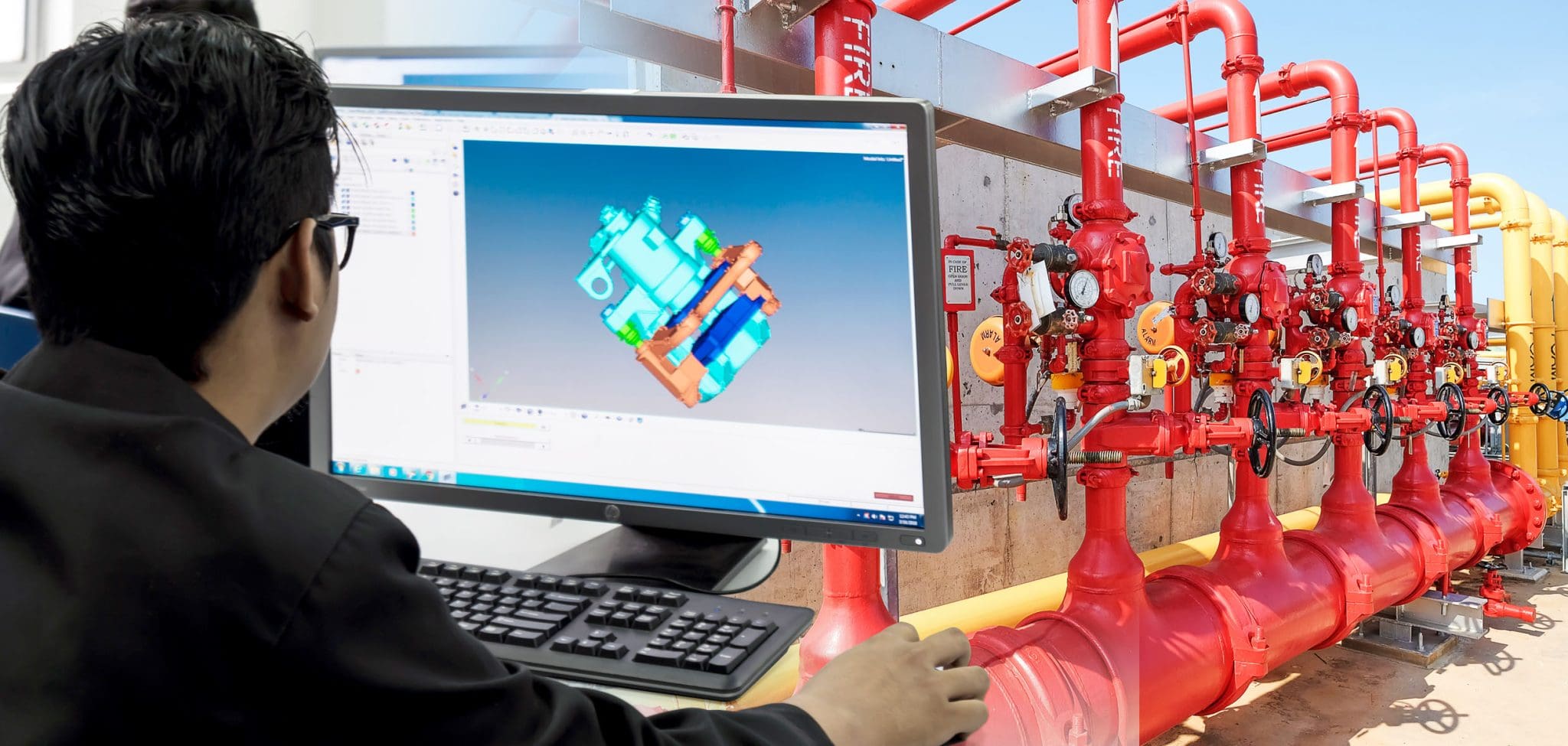
Digital tools like Building Information Modeling (BIM) and laser scanning are rapidly becoming essential in meeting the enhanced fire safety standards that have emerged since the Grenfell Tower tragedy. These technologies not only offer unprecedented precision but also enable effective collaboration across construction teams, ensuring that fire safety is embedded into the building design from the outset.
What Happened
The Grenfell Tower fire in 2017 led to a significant overhaul of fire safety legislation in the UK, culminating in the Building Safety Act 2022 and updated Fire Safety Regulations. These new standards demand rigorous assessments, comprehensive documentation, and proactive risk management strategies. To navigate these complex requirements, construction professionals are increasingly turning to BIM and laser scanning technologies. BIM provides a detailed 3D digital representation of a building, allowing architects, engineers, and safety consultants to incorporate fire safety measures such as sprinkler systems and evacuation routes directly into the design. Laser scanning, using LiDAR technology, offers highly accurate real-world data that creates a digital twin of the physical environment. This is particularly useful for retrofitting older structures with updated fire safety systems, as it reveals where installations can occur without affecting the building's integrity.
What This Means for Your Business
For businesses operating in the AECM sector, the integration of BIM and laser scanning into project workflows means more efficient compliance with modern fire safety regulations. By embedding fire safety into the design phase, companies can minimize costly redesigns and construction delays. Additionally, these technologies facilitate comprehensive risk assessments and simulations, potentially reducing insurance premiums and avoiding penalties associated with non-compliance. For US-based operators, staying competitive will involve investing in these digital solutions to streamline compliance and enhance safety standards.
What US Operators Should Watch
As fire safety regulations continue to tighten globally, US operators should monitor developments in digital construction technology that could influence domestic regulatory trends. Keeping abreast of advancements in BIM and laser scanning will be crucial for maintaining a competitive edge and ensuring readiness for potential future compliance requirements. Additionally, operators should look out for federal funding opportunities that support the adoption of these technologies in construction projects to modernize fire safety measures.
Partner Insight · VisioneerIT
The integration of Digital Twin technology can enhance the effectiveness of BIM and laser scanning in ensuring compliance with fire safety regulations. By utilizing real-time data and analytics, construction professionals can optimize safety measures and streamline project workflows.
Explore VisioneerIT Cybersecurity →
Is your firm ready for what’s next?
VisioneerIT helps AECM and government contractors modernize operations, achieve compliance, and implement AI.
Explore VisioneerIT Solutions →