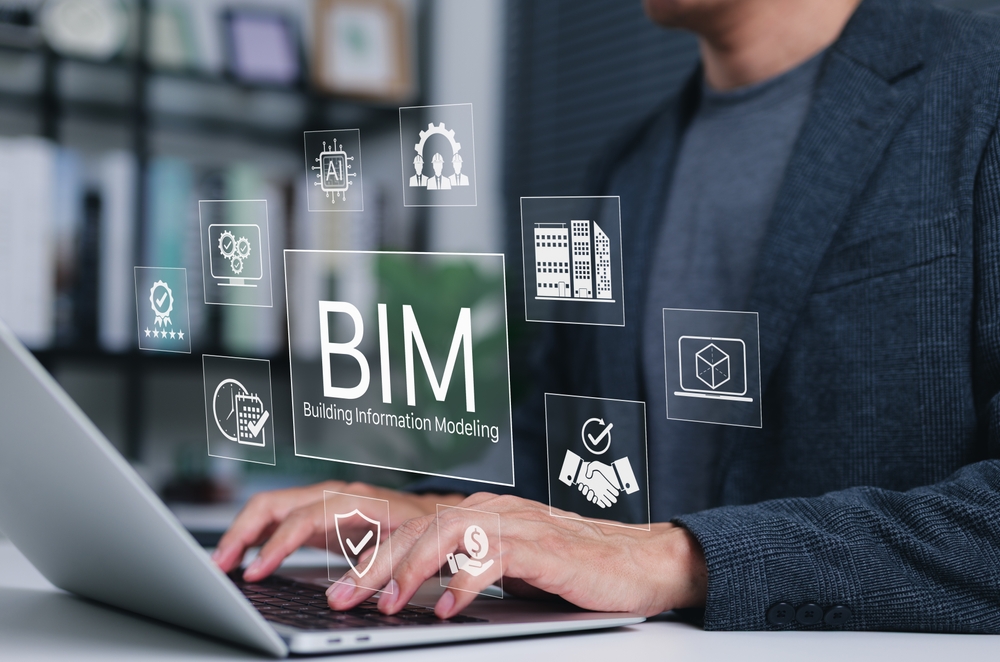
Building Information Modeling (BIM) is transforming the construction industry by significantly reducing costly rework in projects. As construction firms face increasing pressure to deliver projects on time and within budget, BIM coordination emerges as a crucial tool for identifying clashes, improving communication, and minimizing errors.
What Happened
BIM coordination involves the integration of various design disciplines into a single coherent model. This process allows construction teams to identify potential clashes and conflicts before they occur in the field, thereby reducing the need for costly rework. According to Construction Executive, the adoption of BIM coordination has demonstrated substantial improvements in project outcomes by enhancing communication and collaboration among stakeholders. By utilizing BIM, design teams can visualize and resolve design issues early in the project lifecycle, leading to more accurate project planning and execution.
What This Means for Your Business
For AECM professionals, the implications of adopting BIM coordination are significant. The reduction in rework translates directly into cost savings and improved margins. Contractors and construction managers who integrate BIM into their workflow can expect to see a decrease in project delays and an increase in client satisfaction. Furthermore, BIM coordination supports compliance with industry standards like CMMC and NIST by ensuring that data and project documentation are accurate and up-to-date. Beyond compliance, the enhanced efficiency and communication facilitated by BIM can provide a competitive advantage in securing government contracts and federal funding opportunities, as agencies increasingly prioritize digital project delivery methods.
What US Operators Should Watch
As the construction industry continues to evolve, companies should monitor advancements in BIM technology and integration capabilities. Key procurement windows and federal funding opportunities may require firms to demonstrate proficiency in BIM coordination. Staying informed about updates to regulatory standards and compliance requirements, such as CMMC audit dates or NIST guidelines, will be crucial for maintaining eligibility for government contracts. By keeping abreast of these developments, AECM professionals can position themselves to capitalize on the efficiencies and competitive advantages that BIM coordination offers.
Source: https://constructionexec.com/article/how-bim-coordination-helps-reduce-rework-in-construction-projects/?utm_source=rss&utm_medium=rss&utm_campaign=how-bim-coordination-helps-reduce-rework-in-construction-projects. Read the original story ->
Partner Insight · VisioneerIT
The integration of Digital Twin technology with BIM can further enhance project outcomes by providing real-time data and analytics for better decision-making. This synergy allows construction professionals to optimize workflows and reduce inefficiencies, ultimately leading to cost savings and improved project delivery.
Explore VisioneerIT Cybersecurity →
Is your firm ready for what’s next?
VisioneerIT helps AECM and government contractors modernize operations, achieve compliance, and implement AI.
Explore VisioneerIT Solutions →