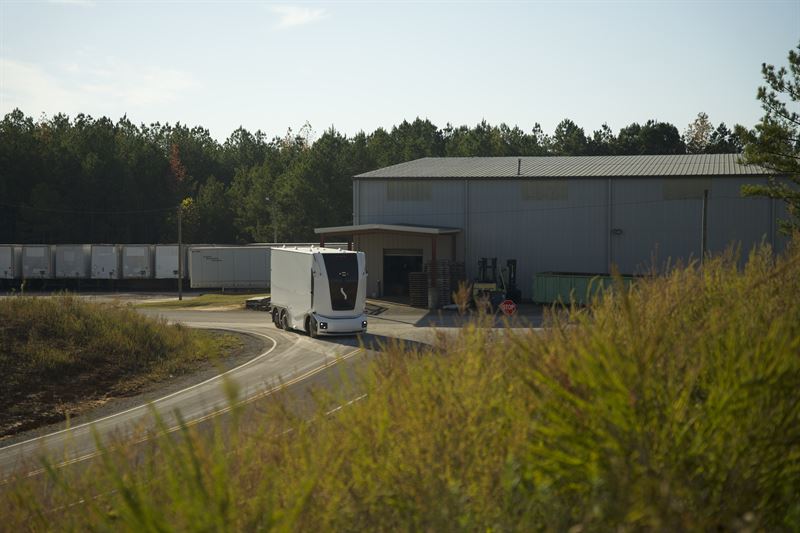
Einride and EASE Logistics have successfully launched SAE Level 4 autonomous electric trucks in a new pilot program along the Ohio freight corridor. This initiative, part of the Truck Automation Corridor Project, aims to assess the impact of autonomous technology on logistics operations and transportation safety.
What Happened
The deployment of Einride's cab-less, self-driving electric trucks between EASE Logistics warehouses in Marysville, Ohio, marks a significant extension of the Ohio Department of Transportation (ODOT) and DriveOhio’s Truck Automation Corridor Project. This project, in collaboration with the Indiana Department of Transportation (INDOT), seeks to gather data on the integration of autonomous vehicles in real-world logistics operations. Starting this summer, the trucks will operate on both EASE property and local public roads, providing insights into warehousing, distribution, and transportation effectiveness. The vehicles, monitored by remote operators, can independently navigate complex routes while handling unexpected situations, ensuring smooth and safe operations.
Why It Matters for the AECM Industry
For the architecture, engineering, construction, and manufacturing sectors, the deployment of these autonomous vehicles represents a potential shift in logistics and supply chain dynamics. The use of autonomous trucks could lead to decreased labor costs, increased transportation efficiency, and reduced environmental impact due to the electric nature of the vehicles. This pilot program provides a critical opportunity to evaluate these benefits at scale, potentially influencing construction and manufacturing project logistics, reducing delays, and optimizing supply chain management. Additionally, the safety and reliability data gathered could inform future regulations and standards for autonomous vehicle operations, directly impacting infrastructure planning and development.
What's Next
Industry professionals should monitor the outcomes of this pilot closely, as it may set new benchmarks for autonomous trucking technology in logistics. The data collected will be crucial for assessing the feasibility and scalability of autonomous freight operations. If successful, this project could lead to wider adoption of autonomous trucks, prompting changes in logistics strategies and warehouse automation.
Is your firm ready for what’s next?
VisioneerIT helps AECM and government contractors modernize operations, achieve compliance, and implement AI.
Explore VisioneerIT Solutions →