Australia’s ambitious High-Speed Rail (HSR) project from Newcastle to Sydney has taken a significant step forward with the shortlisting of three construction consortia. This development is crucial for the AECM industry as it sets the stage for innovative infrastructure advancements and substantial economic opportunities.
What Happened
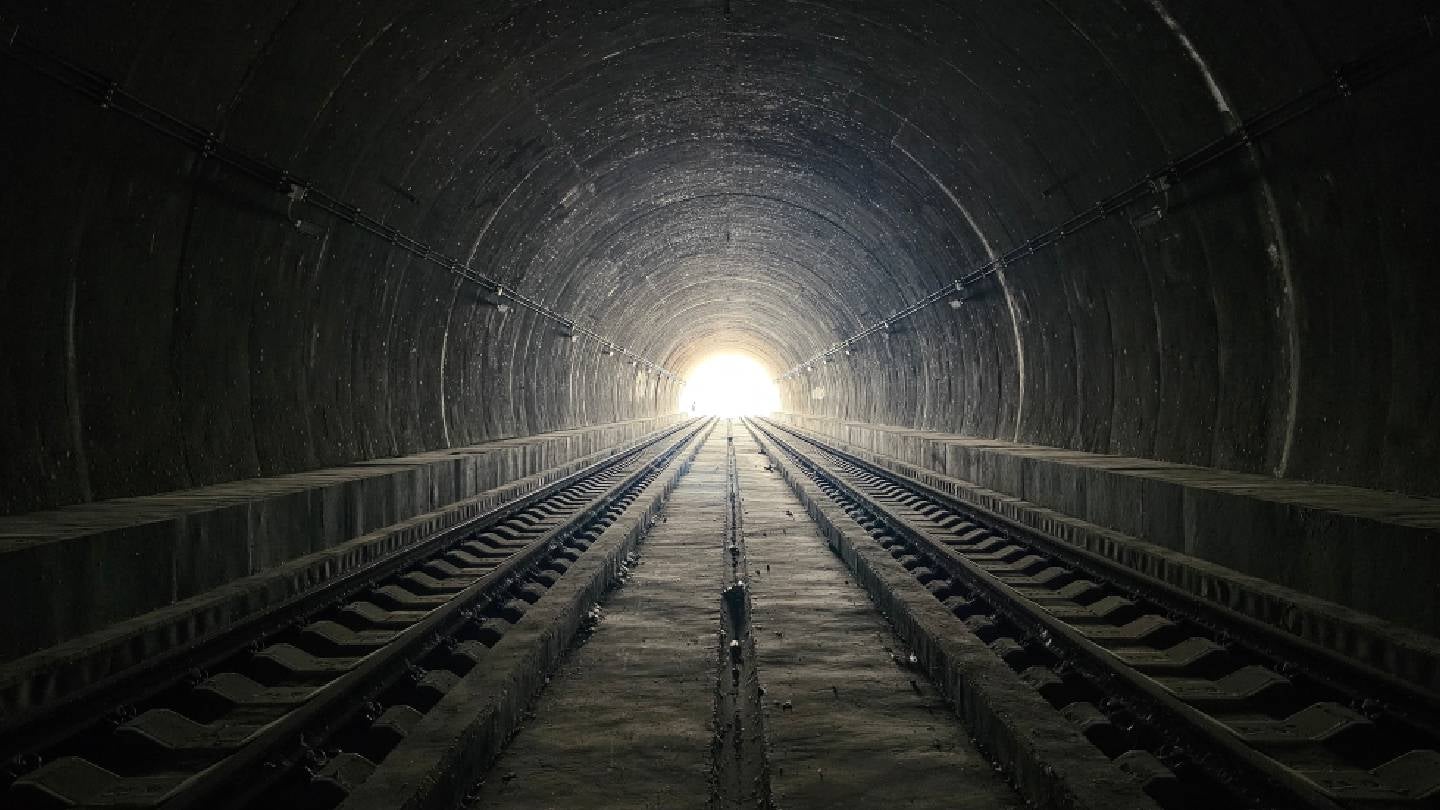
Three consortia have been chosen to advance the detailed planning phase for the Newcastle to Sydney High-Speed Rail project. The shortlisted groups include the Acciona John Holland joint venture (JV), the Advanced Alliance JV comprising Gamuda Engineering, FCC Construction, and Samsung C&T Corporation, and the GoFar JV formed by CPB Contractors, Ferrovial Construction, and VINCI Construction Grands Projects. These consortia will engage in the early contractor involvement (ECI) process for Area Package 1, covering the stretch between Berowra and Ourimbah in New South Wales. This segment involves constructing approximately 35 kilometers of twin tunnels using tunnel boring machines, alongside the development of the Central Coast High-Speed Rail Station at Gosford. The project aims to improve transit efficiency, reducing travel time between Newcastle and Sydney to about one hour and cutting the journey between the Central Coast and either city to roughly 30 minutes.
The ECI process is designed to refine project costings, timeframes, and design options before any major construction contracts are awarded. The final construction awards are contingent upon the Australian government's investment decision post the development phase. As part of this planning phase, the consortia are expected to integrate advanced manufacturing practices, including automation and robotics, to enhance project efficiency and create skilled jobs within Australia.
In parallel, three global rail industry JVs—Alstom/UGL, ARC, and Hitachi Rail STS Australia—have been selected for the project’s development phase, focusing on rolling stock and high-speed rail systems. They will compete to design trains capable of achieving the one-hour connection between Newcastle and Sydney.
What This Means for Your Business
For US operators in the AECM and government contracting sectors, the Newcastle to Sydney High-Speed Rail project represents a significant opportunity to observe and potentially adopt innovative construction practices. The integration of automation and robotics could serve as a model for future infrastructure projects in the United States. Furthermore, the project's focus on advanced manufacturing and the creation of skilled jobs aligns with current trends in sustainable and efficient construction practices, offering insights into competitive positioning and ROI.
This project also highlights the importance of government-backed infrastructure initiatives and their potential to drive economic growth and technological advancement. For companies involved in high-speed rail systems and rolling stock, this development underscores the growing global demand for rapid transit solutions, providing a blueprint for similar initiatives in the US.
What US Operators Should Watch
US operators should closely monitor the outcomes of the ECI process and the eventual government investment decision, as these will dictate the project's timeline and scope. Additionally, observing how the consortia integrate advanced technologies could provide valuable insights for compliance with evolving standards, such as CMMC, NIST, and Zero Trust frameworks. Keeping an eye on the competitive dynamics among the shortlisted consortia and rail industry JVs could also inform strategic decisions in the US market.
Source: https://www.worldconstructionnetwork.com/news/australia-high-speed-rail-construction/. Read the original story ->
Is your firm ready for what’s next?
VisioneerIT helps AECM and government contractors modernize operations, achieve compliance, and implement AI.
Explore VisioneerIT Solutions →