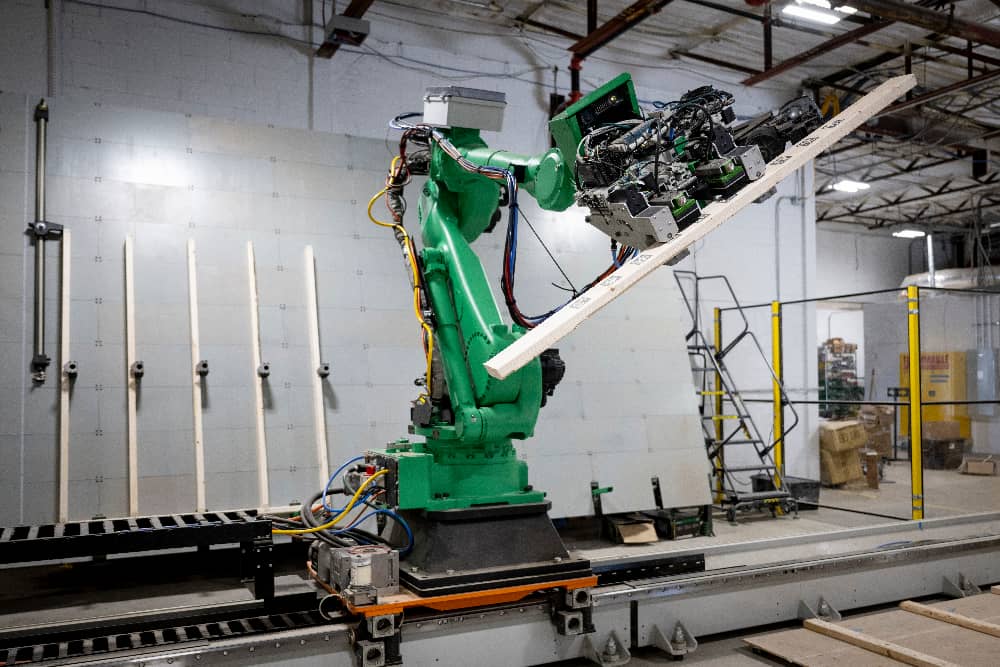
Autonomous vehicles and robotics are tackling similar challenges across perception, AI, real-time control, safety, and efficient computing. Arm Holdings PLC recently released Arm Total Design for Physical AI, a program that brings together more than 80 companies spanning the physical AI technology stack. The company also introduced a Robotics Capability Framework as a starting point for a common language to define and advance robotic capabilities.
What Happened
Arm Holdings PLC launched the Arm Total Design for Physical AI to unify over 80 companies in the physical AI sector. This initiative aims to enhance interoperability across the fragmented robotics industry by fostering collaboration among businesses involved in software stacks, AI models, sensors, compute hardware, virtual platforms, and digital twins. Notable participants include AWS, Siemens, NXP, and Hugging Face. The program draws on Arm's experience in cloud ecosystems, addressing the observed gap in collaborative platforms for physical AI. The Robotics Capability Framework, another key component, introduces a structure to better define robotic capabilities, ranging from basic stimulus-response robots to advanced self-optimizing systems. This framework is open to industry feedback and adjustment, reflecting Arm's commitment to community-driven development.
What This Means for Your Business
For businesses in the AECM sector, the Arm Total Design initiative signifies a strategic move towards more integrated and efficient system development. The program's focus on interoperability can streamline the development process, potentially reducing costs and time-to-market for new robotic systems. By participating in this ecosystem, companies can leverage Arm's IP and collaborate with industry leaders, enhancing their competitive positioning. Moreover, the Robotics Capability Framework can guide procurement and compliance strategies, ensuring alignment with industry standards and advancements. This collaborative approach can lead to more robust and secure solutions, crucial for sectors like defense and manufacturing where precision and reliability are paramount.
What US Operators Should Watch
US operators should monitor the evolution of the Arm Total Design ecosystem, particularly any updates to the Robotics Capability Framework, as these could impact compliance and operational strategies. Participating in this community may provide early insights into emerging technologies and standards, offering a competitive edge in procurement processes. Companies should also track potential collaborations and partnerships that arise from this initiative, which could open new avenues for innovation and market expansion.
Source: https://www.therobotreport.com/arm-total-design-for-physical-ai-brings-more-than-80-developers-together/. Read the original story ->
Is your firm ready for what’s next?
VisioneerIT helps AECM and government contractors modernize operations, achieve compliance, and implement AI.
Explore VisioneerIT Solutions →