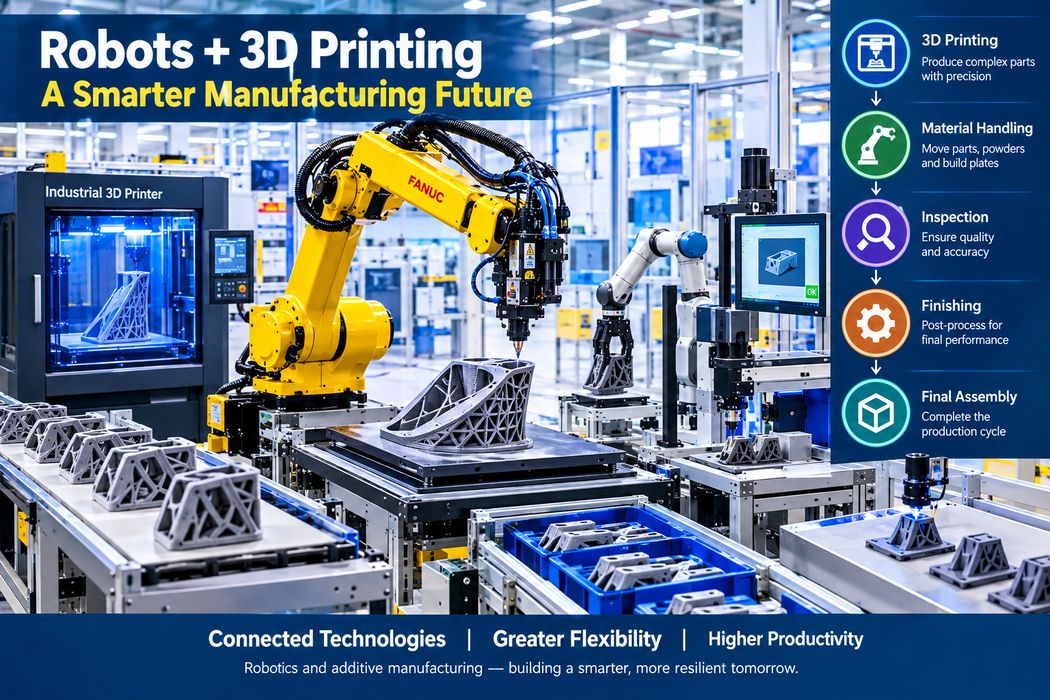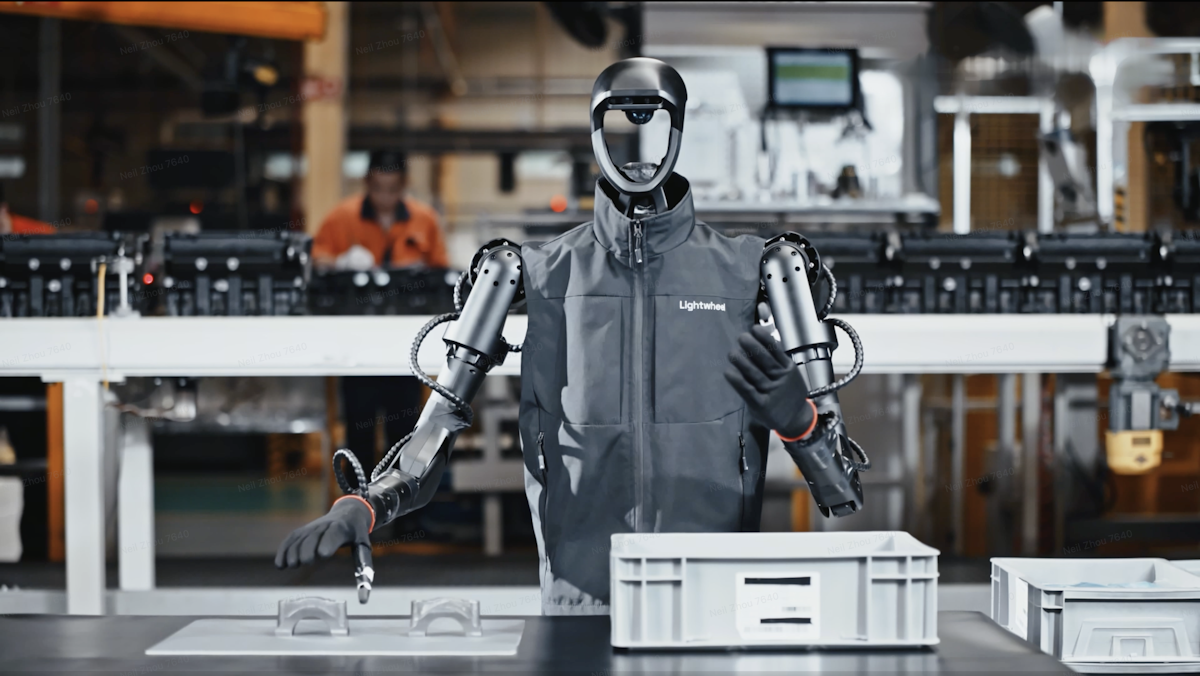
The race to revolutionize robotics with advanced AI infrastructure is heating up, with major players like NVIDIA and Applied Intuition leading the charge. As the landscape shifts from traditional AI outputs to dynamic robotic systems, these platforms are poised to redefine the industry.
What Happened
The evolution of AI infrastructure is entering a new phase, driven by the demands of physical AI systems. Unlike traditional AI, which primarily dealt with static outputs such as text and images, physical AI requires a more complex infrastructure capable of real-time interaction with the physical world. NVIDIA and Applied Intuition are at the forefront of this transformation, offering comprehensive platforms that address critical bottlenecks in the robotics sector.
NVIDIA has positioned itself as a fundamental player in this new stack with its suite of tools under the NVIDIA Isaac platform. This includes Isaac Sim for simulation, Isaac Lab for robot learning and foundation-model training, and Isaac Lab-Arena for large-scale policy evaluation. Their open-source Newton physics engine, developed alongside Google DeepMind and Disney Research, provides the backbone for robotic learning by simulating real-world physics.
Applied Intuition, on the other hand, has carved a niche in validation engineering. Their platform, initially developed for autonomous vehicles, ensures that autonomous machines can operate safely and effectively in various environments. This capability is crucial for sectors like defense, construction, and agriculture, where real-world testing can be costly and hazardous.
What This Means for Your Business
For businesses in the AECM sector and government contracting, these developments present significant opportunities and challenges. The integration of advanced AI infrastructure into robotics can lead to more efficient and safer construction processes, enhance autonomous vehicle deployment, and improve operational efficiencies across sectors.
However, the shift also necessitates a reevaluation of current technology stacks and investment in new platforms that can support these advanced systems. Companies will need to consider the implications of adopting NVIDIA's or Applied Intuition's systems, particularly in terms of compatibility, training, and long-term strategic alignment.
Moreover, compliance with emerging standards and practices in physical AI will be essential. As these platforms become more prevalent, understanding their integration with current compliance frameworks like CMMC or NIST will be crucial for maintaining competitive positioning and securing federal contracts.
What US Operators Should Watch
As the industry moves towards 2026, several key timelines and opportunities should be on the radar for US operators. Keeping an eye on the development and adoption rates of NVIDIA's and Applied Intuition's platforms will be critical. Additionally, understanding the evolving landscape of AI regulation and compliance, including potential updates to CMMC and NIST guidelines, will be imperative for staying ahead in the market.
Furthermore, businesses should monitor procurement windows and federal funding opportunities that may arise as the government continues to invest in AI and robotics infrastructure. Being proactive in these areas can provide a significant edge in securing future contracts and partnerships.
Source: https://www.therobotreport.com/5-physical-ai-infrastructure-platforms-shaping-robotics-in-2026/. Read the original story ->
Is your firm ready for what’s next?
VisioneerIT helps AECM and government contractors modernize operations, achieve compliance, and implement AI.
Explore VisioneerIT Solutions →