The robotics industry is on the cusp of a transformation as humanoid robots transition from experimental prototypes to practical machines that can operate alongside humans. This shift highlights a growing challenge: integrating advanced AI capabilities with the physical limitations of robotic hardware.
What Happened
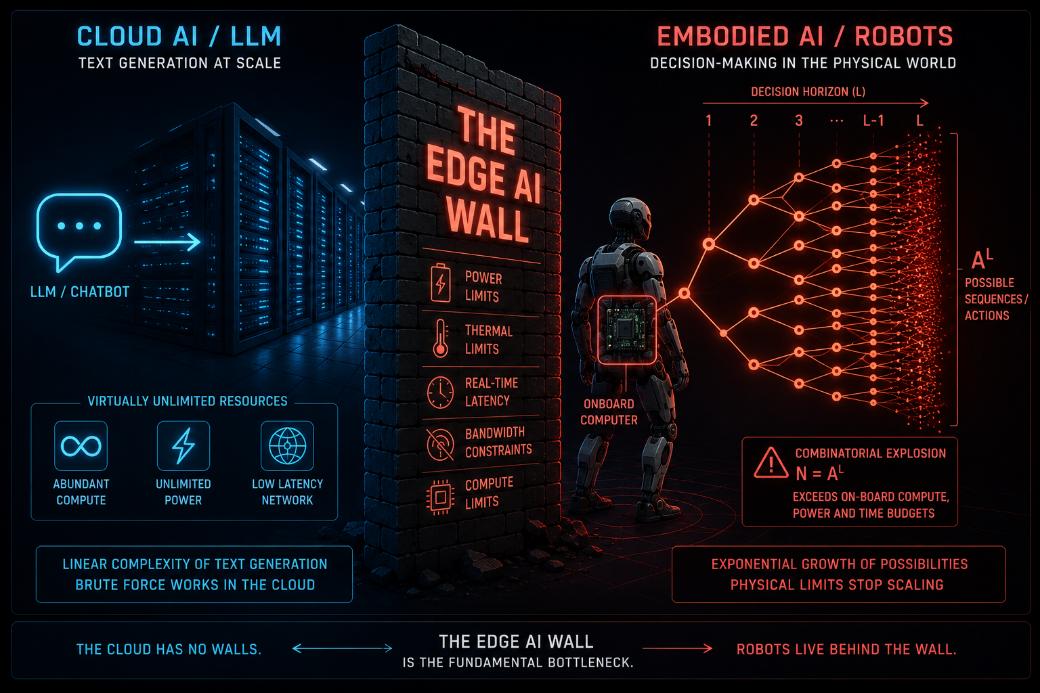
The development of humanoid robots has reached a point where AI can significantly enhance their ability to perceive environments, interpret instructions, and decide on actions. However, translating these decisions into precise, fluid, and safe movements presents significant engineering challenges. The hardware of humanoid robots, which includes articulated joints and degrees of freedom, faces stringent size and weight constraints. This is in stark contrast to traditional industrial robots, which can afford to have substantial power and cooling infrastructures due to their fixed positions in factories.
While AI plays a crucial role in advancing robotics, the physical limits of the robots themselves determine how effectively this intelligence is utilized. For instance, humanoid robots require numerous motors, sensors, and control systems, all of which must be compact and lightweight to ensure mobility and efficiency.
What This Means for Your Business
For businesses in the AECM industry, particularly those involved in robotics manufacturing and integration, this evolving landscape presents both opportunities and challenges. The shift towards more advanced humanoid robots necessitates a rethinking of design and engineering strategies. Companies must focus on developing compact, efficient systems that can accommodate the complex electronic and mechanical components required for humanoid functionality.
Moreover, the move towards higher voltage power architectures, such as 48V DC, offers a pathway to reduce wiring weight and thermal loads, thereby improving efficiency. However, this also introduces new demands on motor control electronics, which must handle higher transient voltages without losing control or sustaining damage.
Compliance with emerging standards and the integration of advanced control systems will be crucial for businesses looking to maintain competitive positioning and capitalize on federal funding opportunities for robotics research and development.
What US Operators Should Watch
Industry professionals should closely monitor advancements in power architecture and control electronics that support more efficient humanoid designs. Additionally, keeping track of federal funding opportunities for robotics innovation can provide a competitive edge. Those involved in procurement and compliance should prepare for potential regulatory changes that may arise as humanoid robotics continue to evolve.
Source: The Robot Report. Read the original story ->
Is your firm ready for what’s next?
VisioneerIT helps AECM and government contractors modernize operations, achieve compliance, and implement AI.
Explore VisioneerIT Solutions →