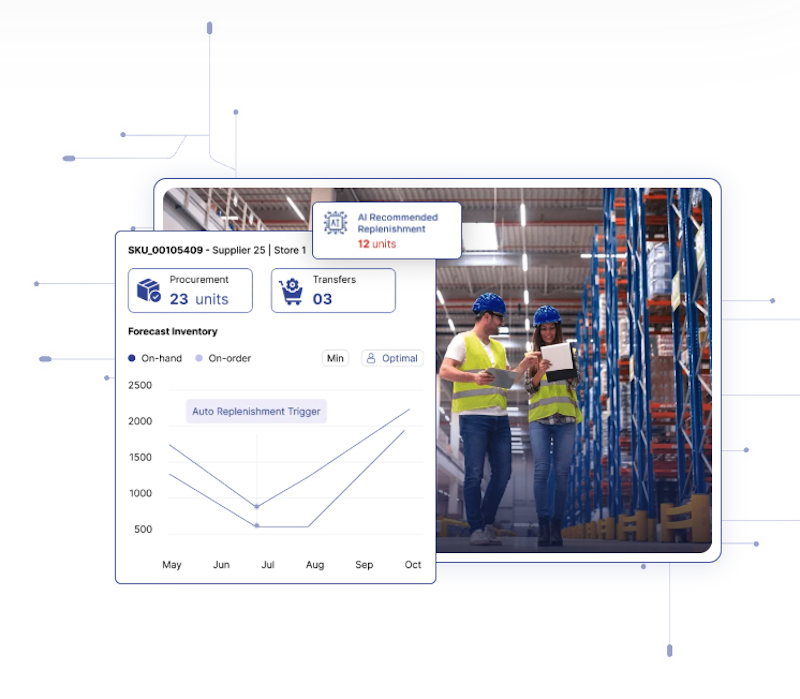
AI-driven control towers are transforming supply chain logistics, offering unprecedented operational efficiency and accuracy. As Libera unveils its autonomous network control tower, the AECM industry stands to benefit from a new era of proactive supply chain management.
What Happened
Libera has launched an AI-powered network control tower designed to autonomously manage supply chain logistics. This system, unlike traditional transport management systems (TMS) that merely capture and display data, employs a "Think, Decide, Act" workflow. It processes real-time information, identifies potential issues, and automatically takes corrective actions. Testing in complex markets has shown impressive results, with Libera achieving a 99.96% on-time delivery rate for packages. This development signifies a shift from reactive to autonomous supply chain management, where AI does more than just alert users to problems—it resolves them.
Why It Matters for the AECM Industry
For the architecture, engineering, construction, and manufacturing sectors, supply chain efficiency directly impacts project timelines and costs. The integration of AI into logistics management can lead to a 30% reduction in operational inefficiencies, a 35% faster decision-making process, and a 40% decrease in human errors. These improvements translate into significant cost savings and increased margins for companies. Furthermore, Libera’s system enhances transparency across the supply chain by tracking every trip from deployment to delivery, thus providing complete visibility into fleet utilization and costs. This innovation can help firms better manage their resources and mitigate risks associated with delays and disruptions.
What's Next
As Libera’s AI-powered TMS is already deployed in India’s largest logistics platforms, the next step involves expanding its reach globally as a SaaS offering. AECM professionals should watch for further developments in AI-driven logistics solutions that promise to enhance supply chain resilience. With the potential for widespread adoption, firms should consider integrating such technologies to remain competitive and efficient in their operations.
Is your firm ready for what’s next?
VisioneerIT helps AECM and government contractors modernize operations, achieve compliance, and implement AI.
Explore VisioneerIT Solutions →