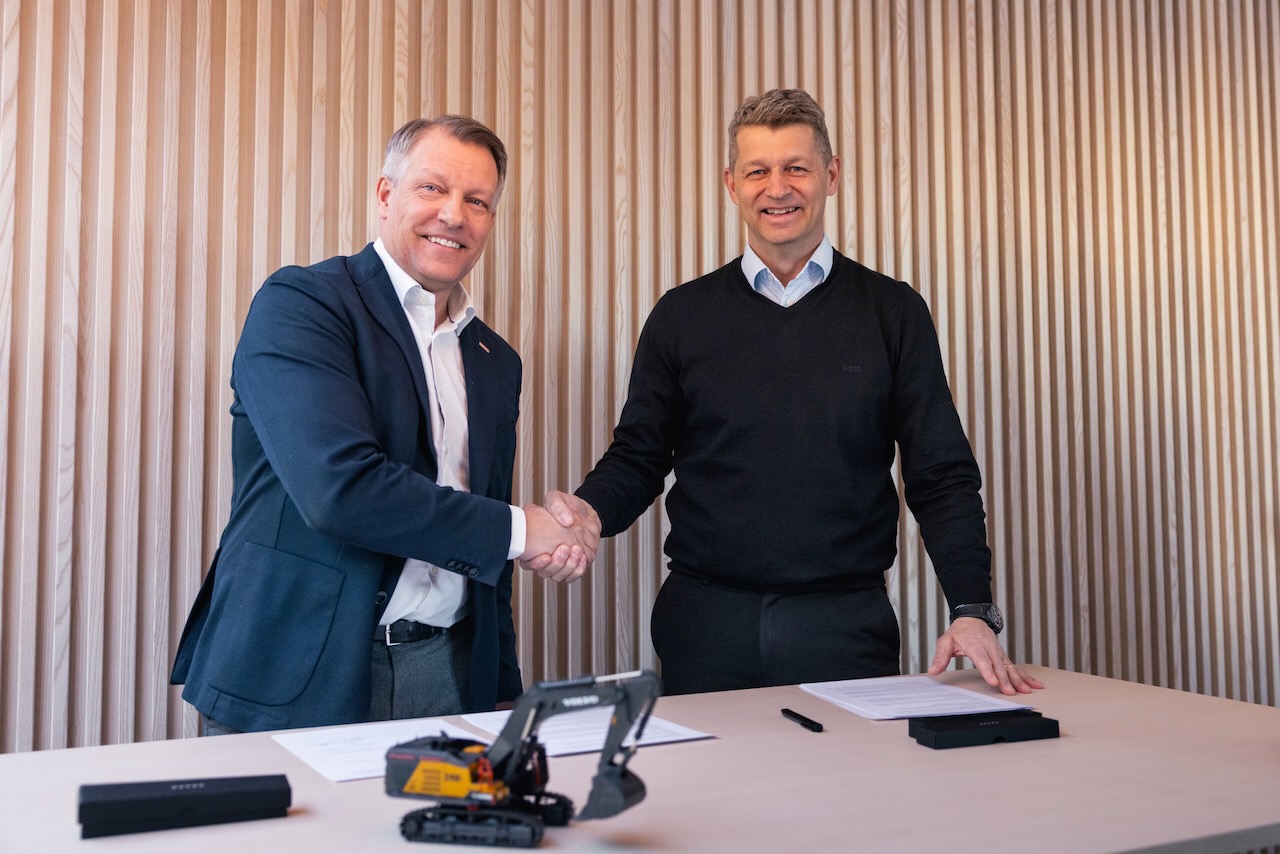
Volvo Construction Equipment and Hitachi Energy have embarked on a pioneering collaboration aimed at revolutionizing construction site operations through electrification. This strategic partnership is set to transform the industry by moving beyond individual electric machines to creating fully emissions-free construction environments.
What Happened
Volvo Construction Equipment (Volvo CE) and Hitachi Energy have announced a collaborative effort to facilitate the transition from isolated electric equipment to comprehensive zero-emission construction sites. This partnership will leverage Volvo CE's range of electric construction machines, such as excavators, wheel loaders, and material handlers, alongside Hitachi Energy's expertise in power systems and energy management. The goal is to develop an integrated ecosystem that supports the deployment of zero-emission operations.
The agreement between the two companies is non-exclusive and will explore various technical and commercial concepts to support zero-emission construction and manufacturing. The focus will be on system integration and operational execution at the site level, ensuring that the transition is both efficient and effective.
Why It Matters for the AECM Industry
For the architecture, engineering, construction, and manufacturing sectors, this partnership signifies a critical step towards sustainable practices. Electrification of construction sites can significantly reduce carbon footprints, contributing to broader environmental goals. Moreover, comprehensive system integration can enhance operational efficiency, reduce energy costs, and mitigate risks associated with fossil fuel dependency.
The collaboration also addresses the complexities of electrifying construction sites, a challenge in hard-to-abate environments. By combining Volvo CE's machinery with Hitachi's energy solutions, the industry could see more streamlined, cost-effective, and sustainable site operations. This shift not only aligns with global sustainability trends but also positions companies to remain competitive in a market increasingly driven by environmental considerations.
What's Next
As Volvo and Hitachi work towards these integrated solutions, industry professionals should anticipate advancements in technology and system integration. The partnership will likely lead to new standards and practices in site electrification, potentially influencing regulatory frameworks and investment strategies. Stakeholders should monitor developments in this collaborative effort as it unfolds.
Is your firm ready for what’s next?
VisioneerIT helps AECM and government contractors modernize operations, achieve compliance, and implement AI.
Explore VisioneerIT Solutions →


