Construction sites are on the brink of a technological revolution as vision AI emerges as a critical player in enhancing safety amid increasing automation. With the global construction robotics market poised to reach $3.66 billion by 2030, the integration of vision AI is becoming essential for the safe coexistence of human workers and autonomous machines on job sites.
What Happened
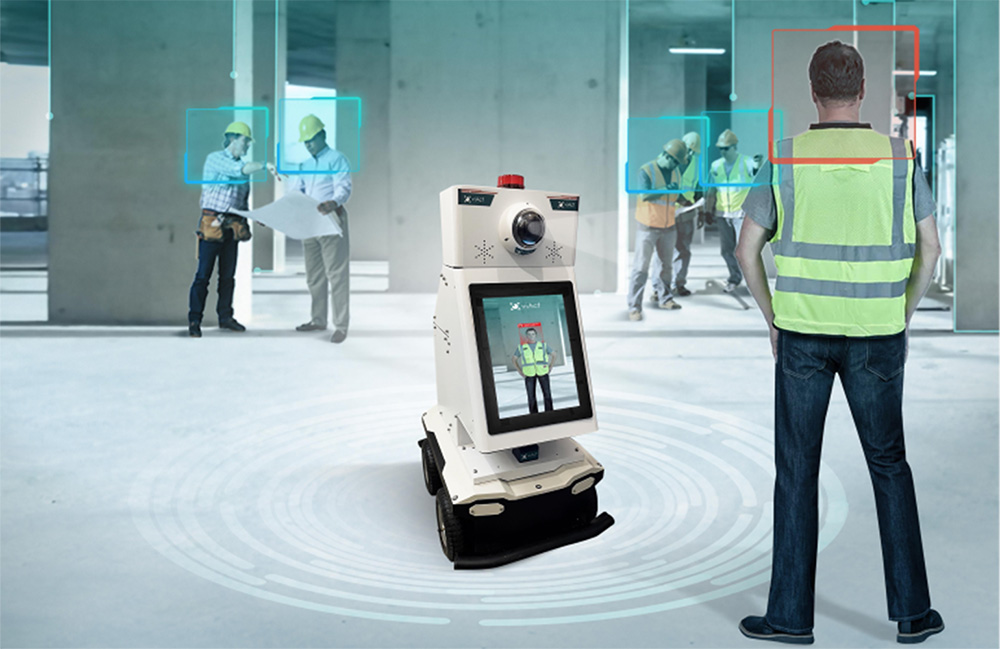
The construction industry is witnessing a transition to automation with the deployment of autonomous earthmoving equipment, robotic layout systems, and drones. However, the real challenge lies in ensuring safety when these machines operate alongside human workers. Vision AI addresses this challenge by serving as a comprehensive perception layer across job sites, analyzing live video streams from various sources, including CCTV and drones, to monitor interactions in real time. This technology is crucial for preventing accidents, such as struck-by incidents, which account for a significant portion of construction-related fatalities annually.
What This Means for Your Business
For AECM professionals, the integration of vision AI into construction projects promises enhanced safety and efficiency. Companies investing in this technology can expect improved compliance with evolving safety standards like the ANSI/RIA R15.08, which addresses the operation of autonomous mobile robots in dynamic environments. By incorporating vision AI, businesses can reduce risks associated with human-machine interaction, potentially lowering insurance costs and project delays due to accidents. Moreover, adopting these technologies can position firms competitively in a market increasingly driven by automation and safety considerations.
What US Operators Should Watch
US operators should closely monitor the development and deployment of vision AI technologies and their integration with existing job site operations. They should also stay informed about updates to safety standards and regulations, such as the ANSI/RIA R15.08, to ensure compliance. As the adoption of these technologies accelerates, keeping track of federal funding opportunities and procurement windows for AI and robotics solutions will be crucial for maintaining a competitive edge in the industry.
Source: https://www.therobotreport.com/why-vision-ai-is-safety-backbone-of-automated-job-site/. Read the original story ->
Partner Insight · VisioneerIT
The integration of vision AI in construction aligns with the principles of Digital Twin technology, which optimizes real-world infrastructure through real-time data analysis. By leveraging these advanced technologies, companies can enhance safety and operational efficiency on job sites.
Explore VisioneerIT Cybersecurity →
Is your firm ready for what’s next?
VisioneerIT helps AECM and government contractors modernize operations, achieve compliance, and implement AI.
Explore VisioneerIT Solutions →