The University of the Arts London (UAL) has repurposed a previously unassuming guest apartment at Chelsea College of Arts into a dynamic exhibition space that immerses visitors in the innovative works of its students and graduates. This transformation is not just an aesthetic upgrade but a strategic move to elevate the profile of emerging design talent in a competitive global market.
What Happened
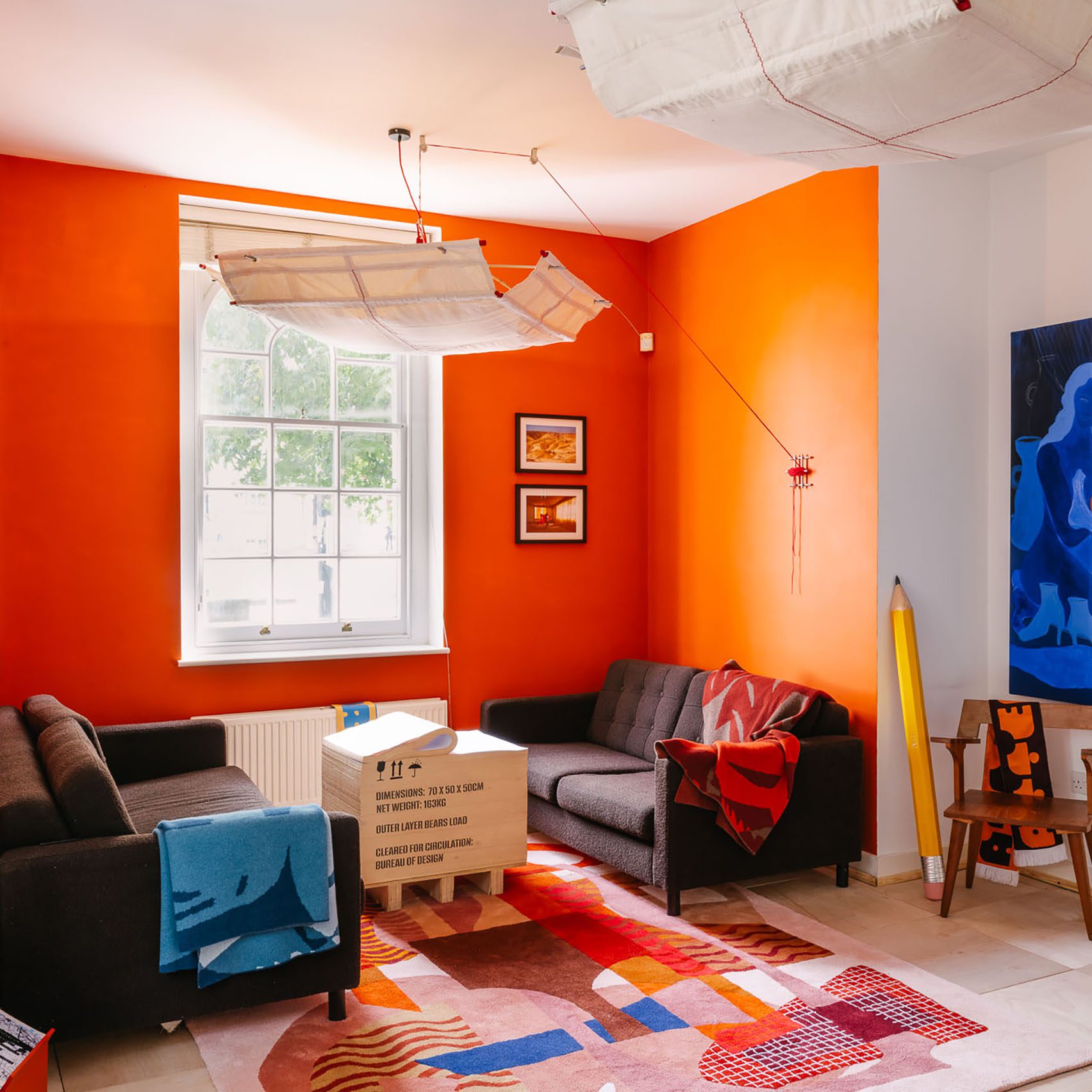
UAL, renowned as the second top-ranked university for art and design globally, converted the Atterbury Flat—a two-bedroom space on its historic Chelsea campus—into a living archive of student creativity. Spearheaded by lecturer Zoë Tynan-Campbell, the project involved over 400 students and graduates across 58 courses, resulting in the acquisition of 117 pieces for the archive's inaugural collection. This endeavor showcases a diverse range of items, from a color-changing chair and a coffee table made of 160 kilograms of paper to practical products like refillable soap and foldable clothes hangers, all designed by UAL affiliates.
The conversion of the Atterbury Flat, a Grade II listed building formerly used to accommodate visiting professors and dignitaries, reflects a broader institutional ambition to challenge traditional notions of art collections. By integrating functional and conceptual design pieces into the space, UAL not only highlights the breadth of its artistic disciplines but also questions the value placed on various forms of creative output.
What This Means for Your Business
For businesses in the architecture, engineering, construction, and manufacturing (AECM) sectors, this initiative underscores the importance of fostering innovation and adapting spaces to showcase emerging talent. Companies can draw inspiration from UAL's approach to integrating student work into practical environments, potentially leading to collaborations that drive innovation. Moreover, the emphasis on diverse design disciplines can inform procurement strategies, encouraging the inclusion of avant-garde designs that enhance both aesthetic and functional aspects of projects.
The Atterbury Flat project also highlights a potential avenue for corporate partnerships. By supporting similar initiatives, businesses can access a pipeline of fresh ideas and creative solutions that may offer competitive advantages in the market. Investing in young talent not only aligns with corporate social responsibility goals but also ensures a steady influx of innovative designs that can transform industry practices.
What US Operators Should Watch
US operators should monitor developments in educational design innovation and consider potential collaborations with academic institutions. The timeline for expanding such archives or integrating student-designed products into commercial projects could align with federal funding opportunities or sustainability initiatives. Companies should stay informed about similar projects and partnership announcements that could offer new procurement options or enhance project portfolios.
Source: https://www.dezeen.com/2026/09/21/ual-atterbury-flat-student-design-archive/. Read the original story ->
Is your firm ready for what’s next?
VisioneerIT helps AECM and government contractors modernize operations, achieve compliance, and implement AI.
Explore VisioneerIT Solutions →