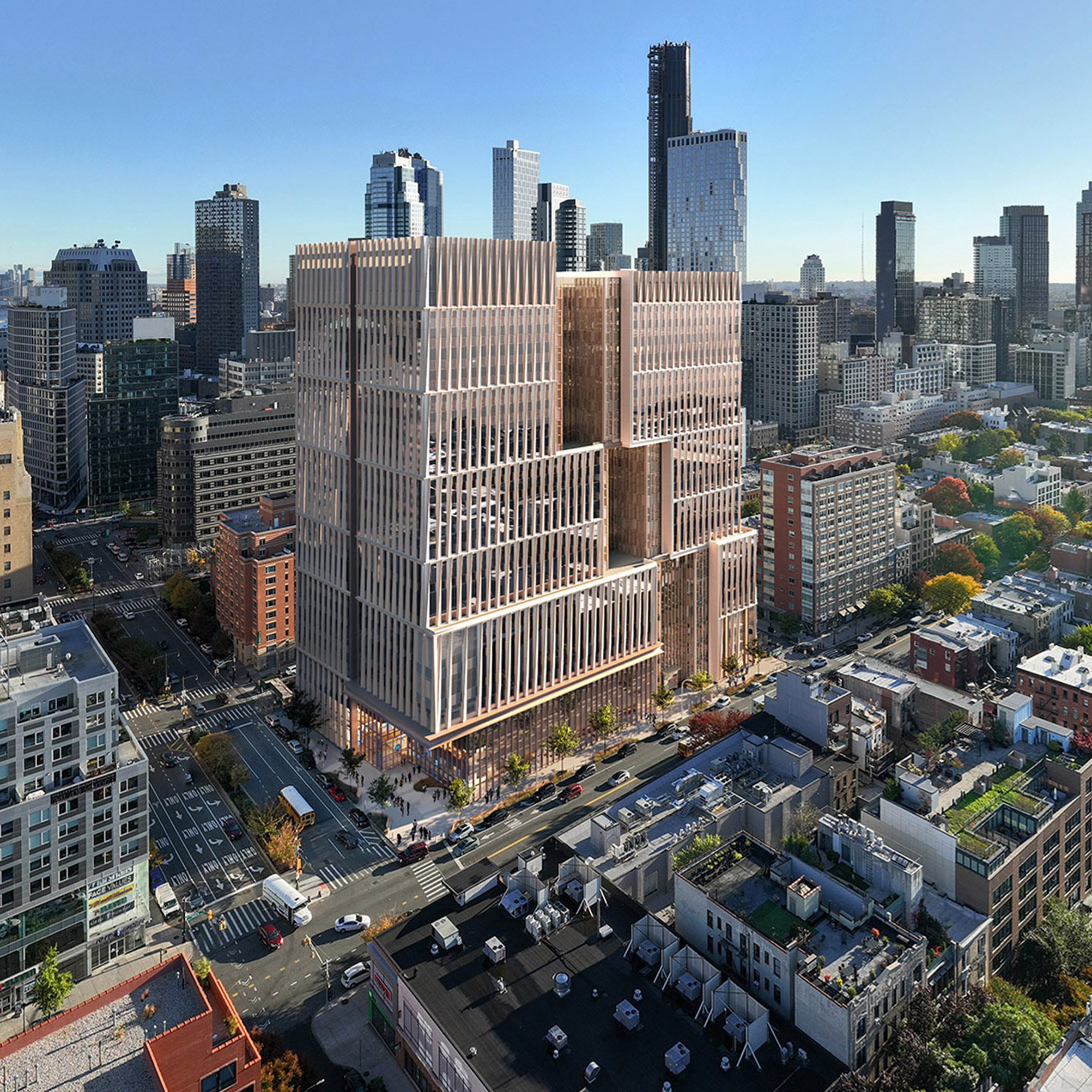
New York City is making a historic shift in its approach to incarceration by relocating inmates from the notorious Rikers Island to new borough-based facilities. This move is not just a logistical change but a significant architectural endeavor that is reshaping the city’s skyline and its approach to justice reform.
What Happened
The NYC Borough-Based Jail Program (BBJ), initiated in 2017, is a pivotal development led by the New York City Department of Design and Construction (DDC). The project involves constructing four new jails in Queens, Brooklyn, Manhattan, and the Bronx. Renowned architecture firms like HOK, Cetra Ruddy, and Michael Graves are designing these facilities. The program's primary goal is to facilitate the closure of the Rikers Island jail complex, which has long been criticized for its conditions and impact on minority communities.
The groundbreaking for the Manhattan jail marks the commencement of construction for all four facilities, with the Brooklyn site leading the way and expected to open in 2029. The remaining jails are slated for completion in the early 2030s. This timeline reflects a commitment to modernizing and humanizing the city's approach to incarceration.
What This Means for Your Business
For AECM professionals, the BBJ Program represents substantial opportunities in design, construction, and project management. With the involvement of high-profile architecture firms, there is a clear emphasis on innovative design and sustainable building practices, which could set new standards in public infrastructure projects. Companies involved in materials supply, construction technology, and facility management stand to benefit as the city invests in state-of-the-art facilities.
Compliance with evolving building codes and sustainability standards will be crucial, as these projects must adhere to stringent regulations. Moreover, the focus on community impact and social justice may influence future public sector contracts, emphasizing ethical considerations alongside technical and financial metrics.
What US Operators Should Watch
For stakeholders, keeping an eye on the construction timelines and procurement opportunities associated with these projects is essential. The Brooklyn jail's projected opening in 2029 is a key milestone, and subsequent completions in the early 2030s will provide ongoing opportunities. Additionally, shifts in policy or funding related to justice reform could impact project scope or timelines, necessitating agile strategies to adapt to changes.
AECM professionals should also monitor developments in architectural design trends that prioritize social equity and community integration, as these factors may become increasingly prevalent in future government contracts.
Source: Dezeen. Read the original story ->
Is your firm ready for what’s next?
VisioneerIT helps AECM and government contractors modernize operations, achieve compliance, and implement AI.
Explore VisioneerIT Solutions →