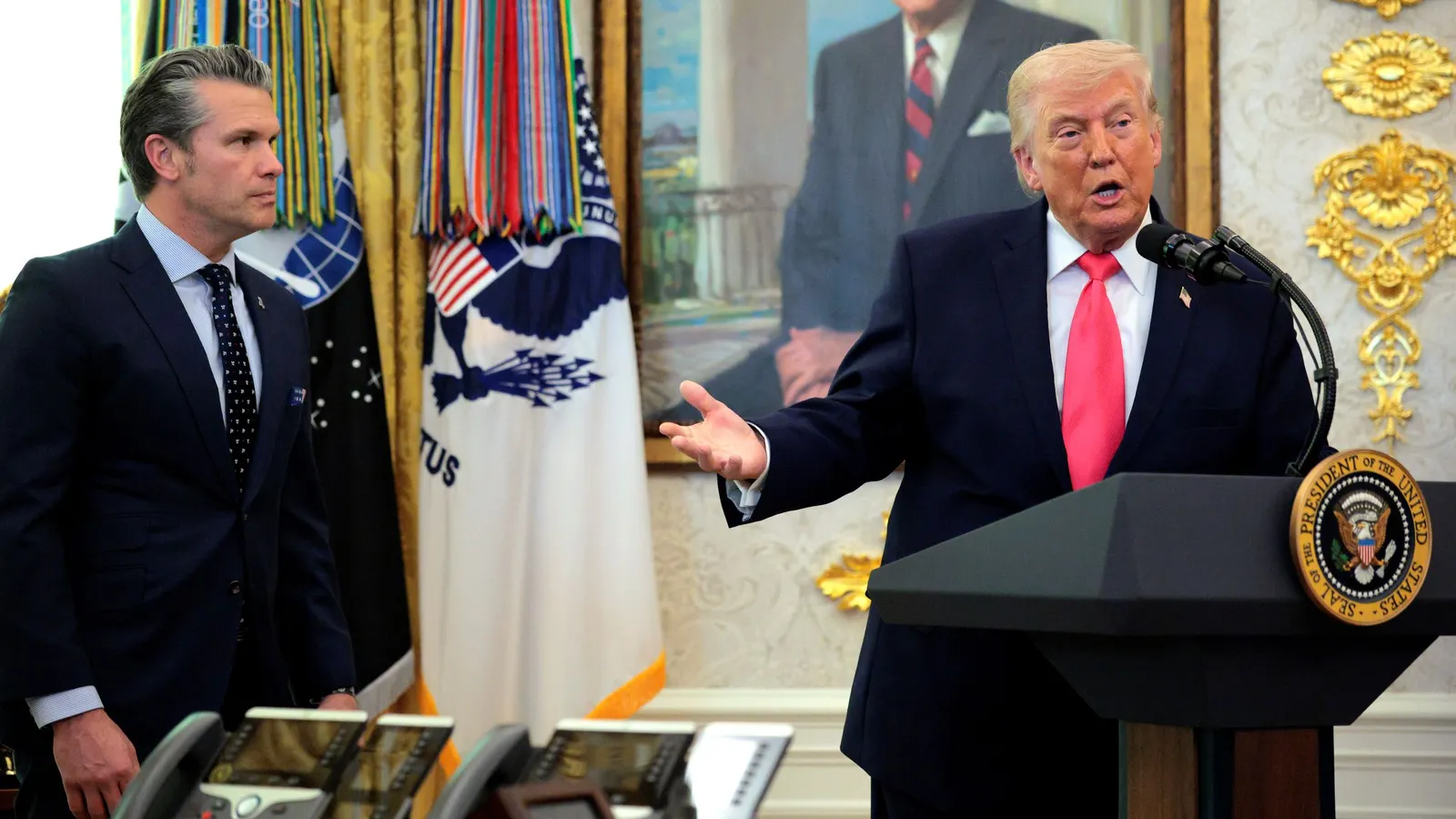
President Donald Trump has announced a new set of tariffs targeting drones and related components, imposing a 100% duty on select imports. This move is part of a broader strategy to reduce U.S. dependence on foreign supply chains, particularly from China, which dominates the global drone market. The tariffs are expected to impact not only consumer and commercial drone manufacturers but also defense contractors who rely on these components for unmanned aerial systems (UAS).
What Happened
The newly imposed tariffs align with President Trump's executive orders aimed at strengthening domestic manufacturing capabilities and reducing reliance on China. The Chinese drone market is projected to reach $15.6 billion by 2025, underscoring its significance in the global supply chain. The U.S. administration's decision to levy these tariffs reflects ongoing concerns about national security and the integrity of defense supply chains. The tariffs are part of a broader protectionist agenda that has seen increased duties on various technology and manufacturing sectors.
What This Means for Your Business
For AECM and defense contractors, these tariffs could lead to increased costs for sourcing drones and components. Companies may need to reassess their supply chains and consider domestic alternatives to mitigate the financial impact. The tariffs could also accelerate the push towards compliance with cybersecurity standards such as the Cybersecurity Maturity Model Certification (CMMC) and NIST guidelines, as reliance on domestic sources may reduce vulnerabilities associated with foreign components. Furthermore, firms should explore federal funding opportunities aimed at boosting local manufacturing capabilities, which may be more readily available as part of the current administration's focus on domestic production.
What US Operators Should Watch
Businesses should monitor developments in trade policy and be prepared for potential retaliatory measures from affected countries. Keeping abreast of procurement windows and regulation timelines will be crucial, particularly for companies involved in defense contracting. The timeline for CMMC compliance audits should also be closely watched, as these tariffs could impact supply chain strategies and timelines for achieving compliance.
Source: https://www.manufacturingdive.com/news/trump-tariffs-drones-uas-components-defense-supply-chain-war/827889/. Read the original story ->
Partner Insight · VisioneerIT
The recent tariffs on drone imports highlight the importance of domestic manufacturing capabilities and compliance with federal standards. VisioneerIT can assist companies in navigating the complexities of federal contracts and ensuring compliance with cybersecurity regulations.
Explore VisioneerIT Cybersecurity →
Is your firm ready for what’s next?
VisioneerIT helps AECM and government contractors modernize operations, achieve compliance, and implement AI.
Explore VisioneerIT Solutions →