The push towards electric vehicles (EVs) is reshaping the automotive supply chain landscape, posing significant challenges for legacy automakers. According to Moody's, the industry's transition is not just about adopting new technologies but also managing multiple supply chains simultaneously.
What Happened
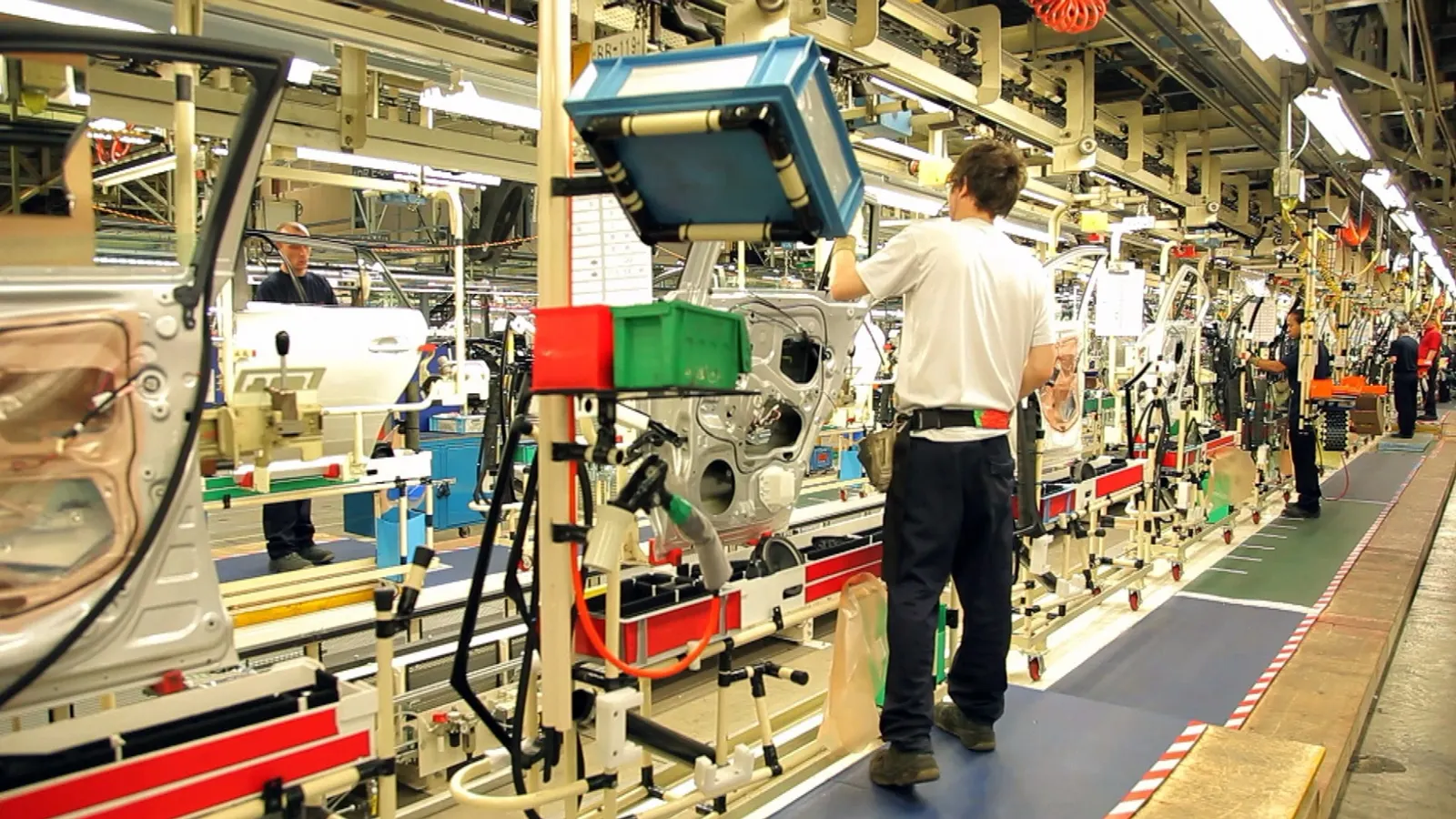
Legacy automakers are currently tasked with the complex challenge of managing distinct supply chains for internal combustion engines, hybrids, and electric vehicles. This multi-pronged approach is a direct response to the gradual shift in consumer demand towards EVs and the regulatory pressures to reduce carbon emissions. Moody's analysis highlights that this complexity is testing the resilience of global supply chains, which are already under strain from post-pandemic disruptions and geopolitical tensions.
The report underscores that manufacturers must navigate these challenges while maintaining profitability and competitiveness. The dual supply chain strategy increases operational costs and requires significant investment in new technologies and infrastructure. Additionally, automakers face the pressure of maintaining a balance between current production demands and future innovation investments.
What This Means for Your Business
For AECM industry professionals, especially those involved in the automotive sector, this transition presents both challenges and opportunities. The need for resilient, adaptable supply chain strategies is paramount. This situation underscores the importance of investing in digital supply chain solutions, which can enhance visibility and responsiveness.
From a compliance perspective, companies must align with new regulatory frameworks aimed at reducing emissions and promoting sustainability. This includes adhering to standards set by the Cybersecurity Maturity Model Certification (CMMC) and the National Institute of Standards and Technology (NIST) for cybersecurity in manufacturing.
Federal funding opportunities are also on the horizon, as the U.S. government prioritizes the development of a domestic EV supply chain. Companies that can position themselves to take advantage of these initiatives may see enhanced ROI and competitive advantages.
What US Operators Should Watch
Key deadlines and procurement windows are critical for companies to track. Regulatory timelines for emissions standards and cybersecurity compliance are fast approaching. Additionally, bid opportunities related to federal infrastructure investments in EV technology and supply chains should be closely monitored.
Operators should stay abreast of CMMC audit dates and ensure that their systems are compliant with evolving standards. As the industry shifts, those who are proactive in adapting to new requirements will likely maintain a competitive edge.
Is your firm ready for what’s next?
VisioneerIT helps AECM and government contractors modernize operations, achieve compliance, and implement AI.
Explore VisioneerIT Solutions →