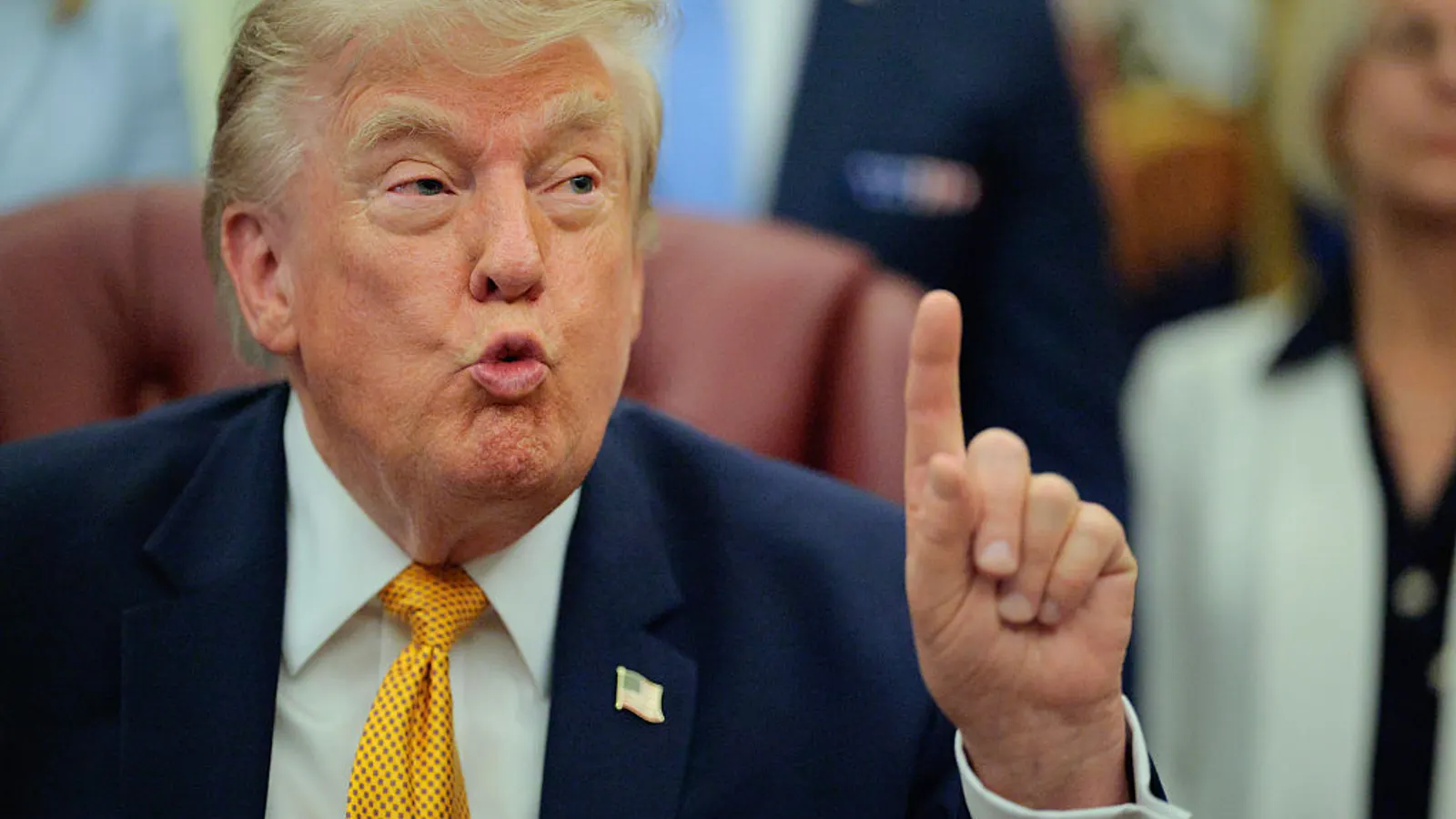
A new 15% tariff on polysilicon imports has been imposed by the Trump administration, marking a significant shift in the U.S. manufacturing landscape. This move, aimed at countering national security threats and bolstering domestic production capacity for semiconductors and solar industries, will take effect on December 4.
What Happened
The Trump administration announced a 15% tariff on polysilicon imports, a critical material used in the manufacturing of semiconductors and solar panels. This decision is part of a broader strategy to enhance U.S. manufacturing capabilities and mitigate reliance on foreign imports, which the administration has identified as a national security threat. Alongside the tariff, an import price floor will be implemented to prevent undercutting domestic production costs.
The timing of this policy is crucial, as the global demand for semiconductors and solar technology continues to rise. Polysilicon, a key raw material in these sectors, has seen fluctuating supply chains due to international trade tensions and the ongoing COVID-19 pandemic. The tariff is intended to encourage domestic production and investment in these critical sectors, reducing dependency on foreign suppliers.
What This Means for Your Business
For U.S. companies involved in semiconductor and solar technology manufacturing, this tariff represents both a challenge and an opportunity. On one hand, businesses may face increased costs for imported polysilicon, which could impact profit margins and pricing strategies. On the other hand, domestic polysilicon producers might benefit from reduced competition and increased demand for locally sourced materials.
Companies should evaluate their supply chains and consider potential adjustments to mitigate the impact of higher import costs. This could involve seeking alternative suppliers, investing in domestic production capabilities, or exploring strategic partnerships. Additionally, businesses must stay informed about compliance requirements related to the new tariff and price floor regulations.
What US Operators Should Watch
Key dates for compliance and strategic planning include the December 4 implementation of the tariff and import price floor. U.S. operators should monitor developments in trade policy and potential retaliatory measures from major polysilicon exporting countries. Staying ahead of regulatory changes and potential shifts in global trade dynamics will be crucial for maintaining competitive positioning in the market.
Furthermore, companies should keep an eye on federal funding opportunities aimed at boosting domestic manufacturing capabilities, as these could provide financial support for investments in local production infrastructure.
Is your firm ready for what’s next?
VisioneerIT helps AECM and government contractors modernize operations, achieve compliance, and implement AI.
Explore VisioneerIT Solutions →