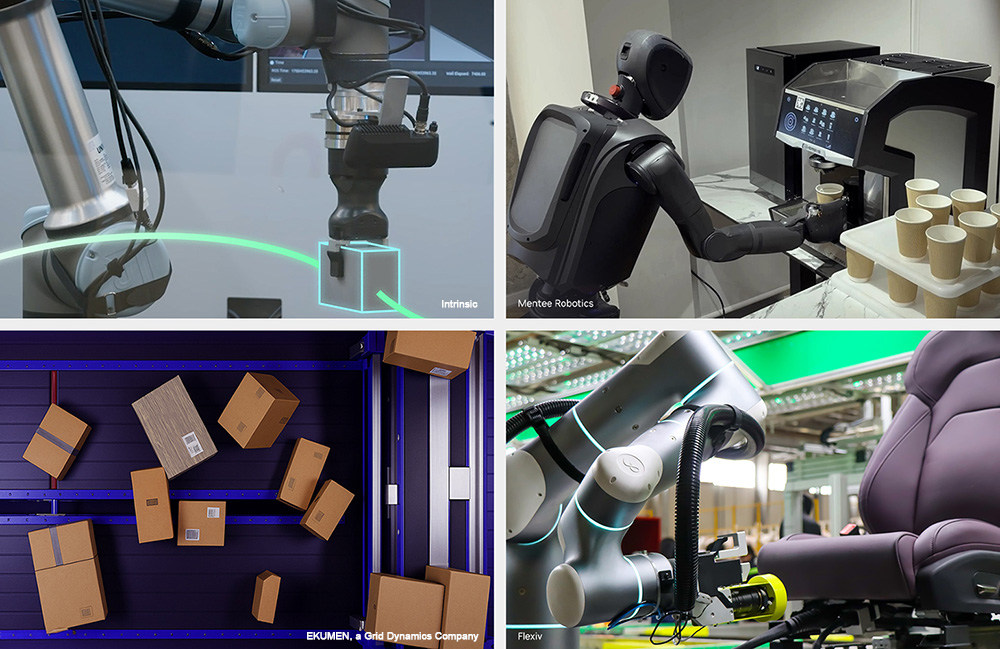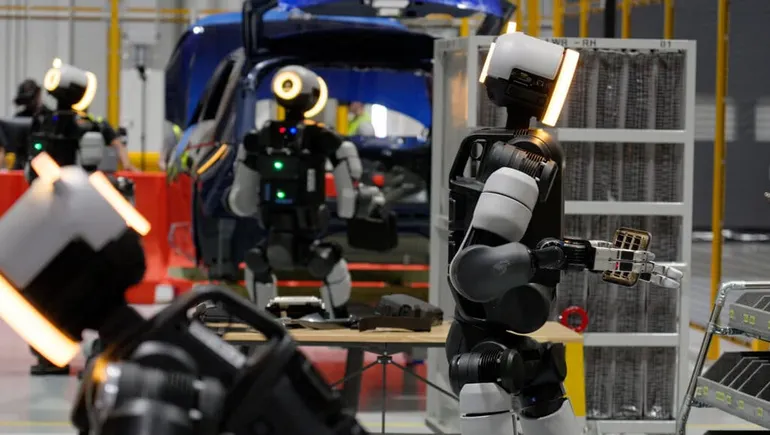
AI is transitioning from digital realms to tangible environments, presenting new challenges for robotics developers. At RoboBusiness 2026, Intel's Nagesh Puppala will discuss the infrastructure necessary to transition physical AI from prototype to production, a critical move for the industry.
What Happened
Intel is set to address the burgeoning need for robust infrastructure to support physical AI at the upcoming RoboBusiness 2026 event in Santa Clara, California. Nagesh Puppala, the general manager of physical AI and robotics at Intel, will lead a session titled "From Models to Machines: Building the Open Infrastructure for Physical AI" on October 20 at 1:15 p.m. PT. His presentation will delve into the infrastructure demands of deploying AI in real-world robotics systems, focusing on open, edge-first architectures that facilitate seamless integration across various hardware and software environments. Intel's Robotics AI Suite, an open development platform optimized for Intel Core and Intel Core Ultra processors, exemplifies their commitment to creating scalable and interoperable AI solutions.
What This Means for Your Business
For companies in the architecture, engineering, construction, and manufacturing (AECM) industries, Intel's focus on practical deployment foundations for physical AI could redefine operational efficiencies. The development of open infrastructures that support flexibility and real-time AI can enhance automation in manufacturing, logistics, and field robotics. Such advancements promise improved ROI by reducing downtime and increasing the reliability of autonomous systems. AECM professionals should anticipate a shift towards adopting these scalable platforms to stay competitive and meet compliance with emerging technologies. The emphasis on open architectures suggests a trend towards collaborative ecosystems, which could lower barriers to entry and foster innovation.
What US Operators Should Watch
As Intel lays the groundwork for physical AI, US operators should monitor key developments in infrastructure technologies that enable real-time AI deployment. Attention should be paid to upcoming federal procurement opportunities that may arise from advancements in AI, particularly in sectors like logistics and autonomous systems. Additionally, keeping track of regulatory changes and compliance requirements, such as those related to cybersecurity (CMMC, NIST), will be crucial as physical AI becomes more integrated into operational processes. The RoboBusiness event also signals potential partnership opportunities for those looking to align with leading-edge AI strategies.
Source: https://www.therobotreport.com/intel-discusses-infrastructure-needed-to-scale-physical-ai-robobusiness/. Read the original story ->
Is your firm ready for what’s next?
VisioneerIT helps AECM and government contractors modernize operations, achieve compliance, and implement AI.
Explore VisioneerIT Solutions →