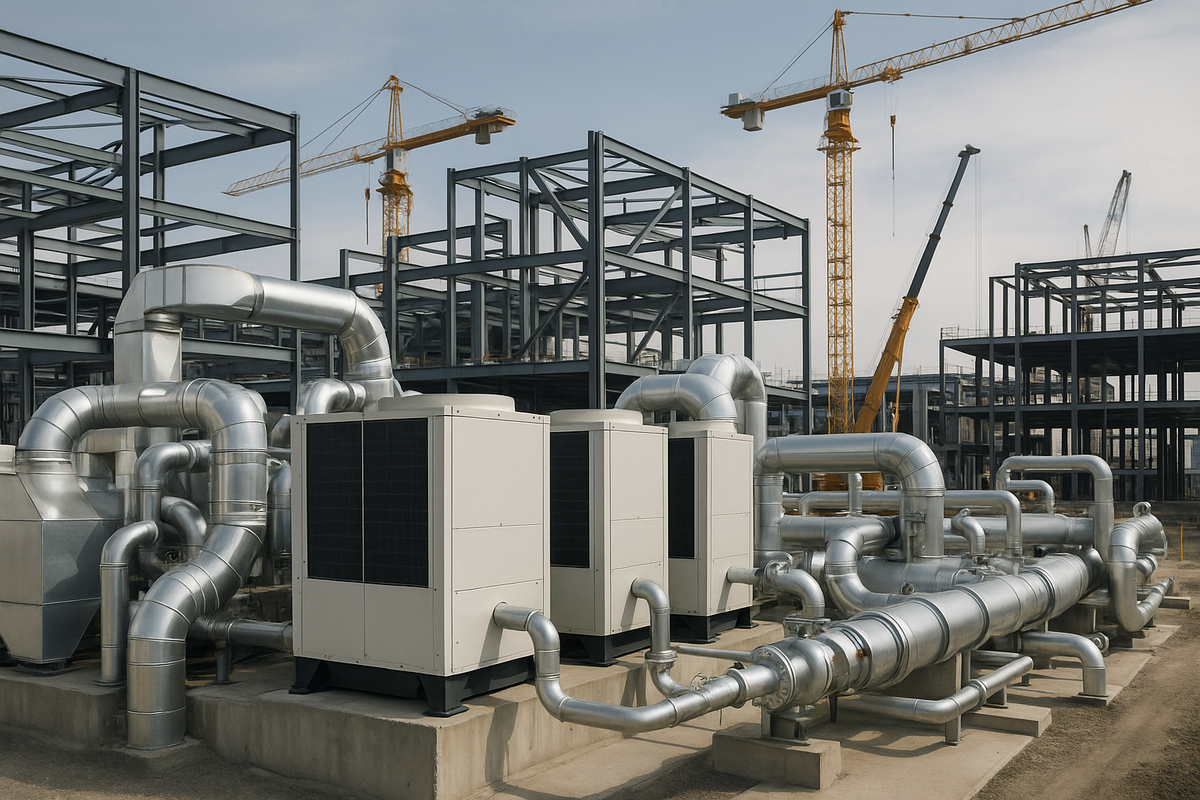
Certain HVAC equipment and components will temporarily face a reduced 15% levy starting June 8, according to the White House. This adjustment in tariffs on steel, aluminum, and copper is part of a broader strategy to alleviate cost pressures on specific sectors, including the HVAC industry, which relies heavily on these materials. The move is expected to have significant implications for construction and manufacturing stakeholders, particularly those involved in government contracts.
What Happened
The Trump administration announced a temporary reduction in tariffs on steel, aluminum, and copper, effective June 8. These tariffs, originally set at higher rates, will now be lowered to 15% for certain HVAC equipment and components. This decision comes as part of a targeted approach to reduce financial burdens on industries heavily dependent on these materials. The White House aims to provide relief to sectors facing increased costs due to global supply chain disruptions and rising raw material prices.
The tariffs, initially imposed to protect domestic industries, have been a point of contention, affecting a wide range of sectors from construction to manufacturing. By reducing the tariffs, the administration seeks to balance protectionist policies with the need to maintain competitive pricing for U.S. operators.
What This Means for Your Business
For businesses in the AECM sector, this tariff adjustment presents both opportunities and challenges. Companies involved in the production or installation of HVAC systems might see a reduction in material costs, potentially leading to lower project bids and increased competitiveness in the market. However, organizations must remain vigilant in understanding the compliance requirements associated with these tariff changes.
Procurement teams should reassess their supply chain strategies to capitalize on the reduced tariffs, ensuring that cost savings are realized and passed on to customers. Additionally, businesses engaged in government contracting should evaluate how these changes impact their pricing models and contract negotiations.
What US Operators Should Watch
Stakeholders should closely monitor the implementation of these tariff adjustments starting June 8. It's crucial to keep track of any further announcements from the White House regarding tariff policies, as these could impact long-term strategic planning. Companies should also remain informed about any updates to compliance requirements or procurement guidelines that may arise due to these changes.
Being proactive in understanding the implications of these tariff adjustments will be key for decision-makers looking to maintain a competitive edge in the evolving market landscape.
Source: https://www.facilitiesdive.com/news/trump-tweaks-steel-aluminum-copper-tariffs-impacting-some-hvac-units/821962/. Read the original story ->
Is your firm ready for what’s next?
VisioneerIT helps AECM and government contractors modernize operations, achieve compliance, and implement AI.
Explore VisioneerIT Solutions →