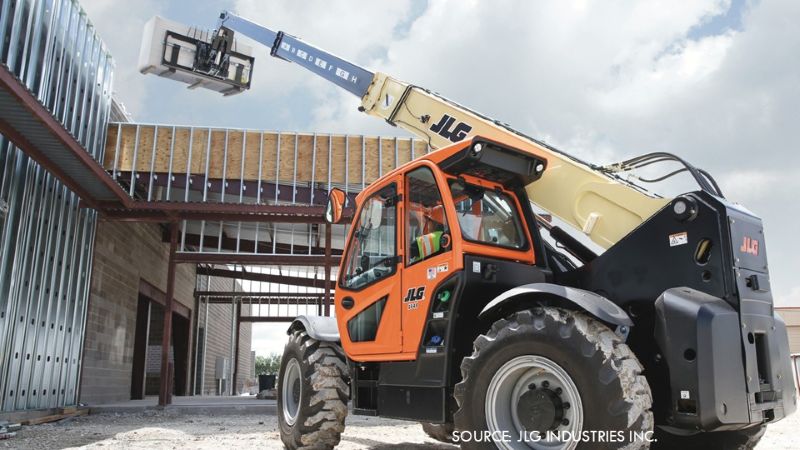
Telehandlers, with their versatile attachment capabilities, are increasingly becoming the go-to equipment on metal construction jobsites, replacing traditional cranes for many tasks. This shift is largely due to telehandlers’ cost-effectiveness and adaptability, which are critical in the current economic climate.
What Happened
On June 23, 2026, an article published by Metal Construction News highlighted the growing trend of using telehandlers over cranes on metal construction sites. Telehandlers, equipped with a variety of attachments, are proving to be more than just material handlers. They are now essential tools for design, fabrication, supply, and erection of metal building systems and structural steel components. Contractors and steel fabricators can enhance the capabilities of telehandlers by using attachments such as boom-mounted lifting lugs, which allow for the precision placement of materials like metal wall panels, steel joists, and trusses. This versatility enables telehandlers to perform tasks traditionally handled by cranes, such as hoisting and precision placement, more efficiently and cost-effectively.
What This Means for Your Business
For businesses in the AECM sector, the increased use of telehandlers presents opportunities to reduce costs and increase efficiency on job sites. The adaptability of telehandlers with various attachments means fewer machines are needed, reducing the logistics footprint and associated costs. Furthermore, the ability of telehandlers to navigate uneven terrain and restricted spaces makes them ideal for complex construction environments where cranes may struggle. For procurement directors and project managers, investing in telehandlers could enhance operational flexibility and improve return on investment by minimizing the need for additional equipment and labor.
What US Operators Should Watch
US operators should keep an eye on advances in telehandler technology and attachment options, which continue to evolve. Understanding the maximum load capacities, angles, and heights required for specific projects will be crucial in selecting the right telehandler and attachments. Additionally, operators should stay informed about the latest safety standards and training requirements for telehandler use, ensuring compliance and maximizing the effectiveness of these machines on site.
Is your firm ready for what’s next?
VisioneerIT helps AECM and government contractors modernize operations, achieve compliance, and implement AI.
Explore VisioneerIT Solutions →