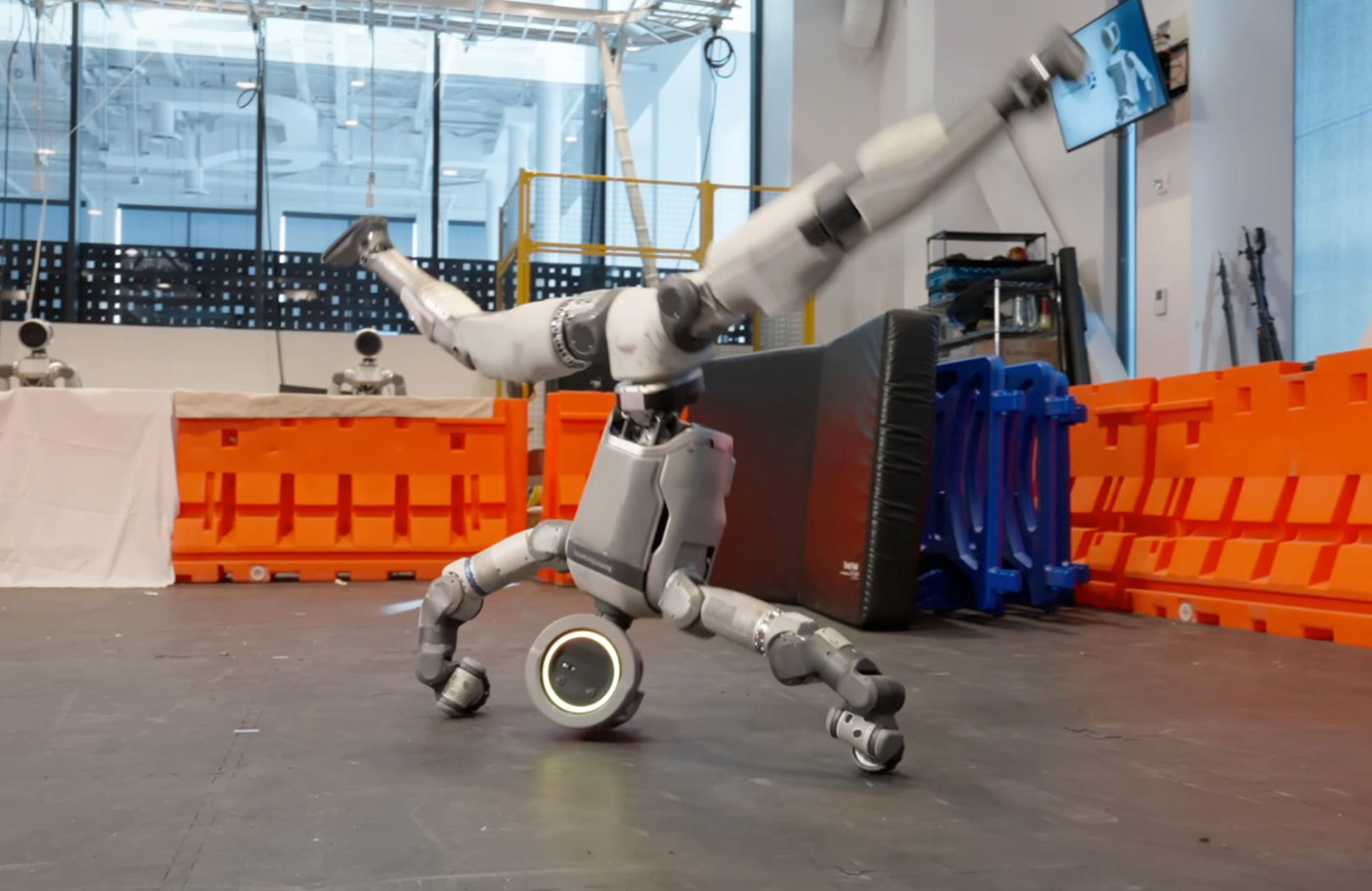
Robots have long captured the public's imagination with their flashy capabilities, like backflipping humanoids and laundry-folding automatons. However, the real challenge in industrial applications lies not in creating the most visually impressive robot, but in designing machines that are tailored to specific workflows. This shift towards task-centric design could be pivotal for the AECM industry, especially as it navigates the integration of robotics into everyday operations.
What Happened
The robotics industry is at a crossroads. While companies like Boston Dynamics have showcased advanced humanoid robots performing acrobatic feats, the focus is shifting towards designing robots that prioritize functionality over form. The current industry trend often involves creating a sophisticated robotic platform first and then finding tasks it can perform. This approach is being challenged by a new paradigm that starts with the task and works backward to determine necessary hardware and design specifics. This method argues for the importance of designing robots with the task in mind, ensuring that form follows function.
For example, in industrial settings, a bipedal humanoid robot might need to perform tasks as varied as inserting pins on an automotive assembly line and packing pallets in a logistics center. Each task has distinct requirements. Pin insertion demands high precision and sensitivity, while pallet packing requires durability and strength. Designing a robot with a general-purpose platform may lead to compromised performance in both tasks.
What This Means for Your Business
For AECM professionals, this task-centric approach to robotics design offers several advantages. First, it could lead to significant cost savings and improved ROI. By focusing on specific tasks, companies can ensure that their robotic systems are optimized for performance, reducing waste and increasing efficiency. For instance, precise force sensing in pin insertion tasks can reduce connector scrap from 1.2% to 0.5%, translating to an estimated $450,000 in annual savings per assembly line.
Moreover, this approach aligns with compliance and procurement strategies that prioritize efficiency and cost-effectiveness. As industries move towards greater automation, understanding the specific needs of each task will be crucial in selecting the right robotic solutions, ensuring compliance with standards like NIST and CMMC, and maximizing federal funding opportunities.
What US Operators Should Watch
As the demand for specialized robotic solutions grows, US operators should stay informed about upcoming federal regulation timelines and procurement windows that might impact their operations. Monitoring advancements in task-specific robotics can provide a competitive edge, especially as more contracts and funding opportunities arise around automation and AI integration. Operators should also keep an eye on CMMC audit dates and ensure that any implemented robotic systems comply with necessary cybersecurity standards.
Is your firm ready for what’s next?
VisioneerIT helps AECM and government contractors modernize operations, achieve compliance, and implement AI.
Explore VisioneerIT Solutions →