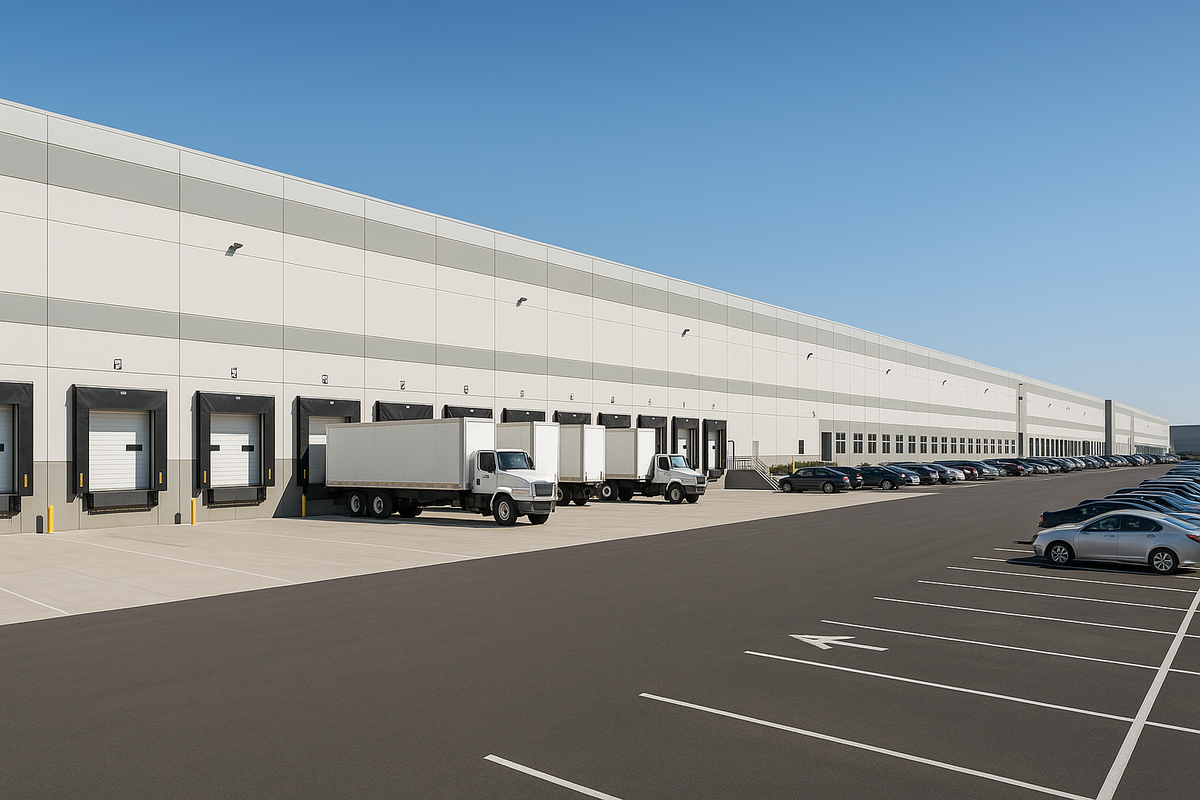
Target Corporation has launched its largest food distribution center to date, a $367 million facility in Colorado, which promises to enhance supply chain efficiency by replenishing nearly 130 stores up to two days faster than previous operations. For the architecture, engineering, construction, and manufacturing (AECM) sectors, this development signifies a substantial leap in logistics infrastructure that could set new benchmarks for distribution efficiency in retail.
What Happened
Target's strategic investment in this state-of-the-art distribution center underscores its commitment to improving supply chain resilience and customer satisfaction. The facility, now operational, is designed to expedite the replenishment cycle of grocery items to its network of stores, significantly reducing lead times. This move comes as part of Target's broader strategy to optimize its supply chain and logistics capabilities in response to increasing consumer demand for faster delivery of essential goods. The decision to base this facility in Colorado not only leverages the state's central location for distribution across the western United States but also taps into a growing logistics hub that supports major retailers.
What This Means for Your Business
For businesses in the AECM sector, Target's investment presents an opportunity to study and possibly replicate the integration of advanced logistics technologies in distribution centers. The facility's ability to enhance operational efficiency by reducing delivery times could be a case study in effective supply chain management. Moreover, the construction and operation of such a large-scale facility may lead to further opportunities in contract bids for construction management, engineering services, and supply chain consulting. Additionally, companies focused on compliance and cybersecurity, particularly those aligned with CMMC and NIST standards, could find new business in ensuring these facilities meet rigorous federal and industry-specific requirements.
What US Operators Should Watch
Operators should keep an eye on similar developments within the retail and logistics sectors, as the trend towards modernizing and expanding distribution capabilities is likely to continue. Key dates and deadlines for federal regulations and compliance standards, such as CMMC audits, could be pivotal for businesses aiming to secure contracts related to these large-scale projects. Monitoring procurement windows and bid opportunities in this evolving landscape will be crucial for staying competitive and tapping into the potential revenue streams these facilities represent.
Source: SupplyChainDive
Is your firm ready for what’s next?
VisioneerIT helps AECM and government contractors modernize operations, achieve compliance, and implement AI.
Explore VisioneerIT Solutions →