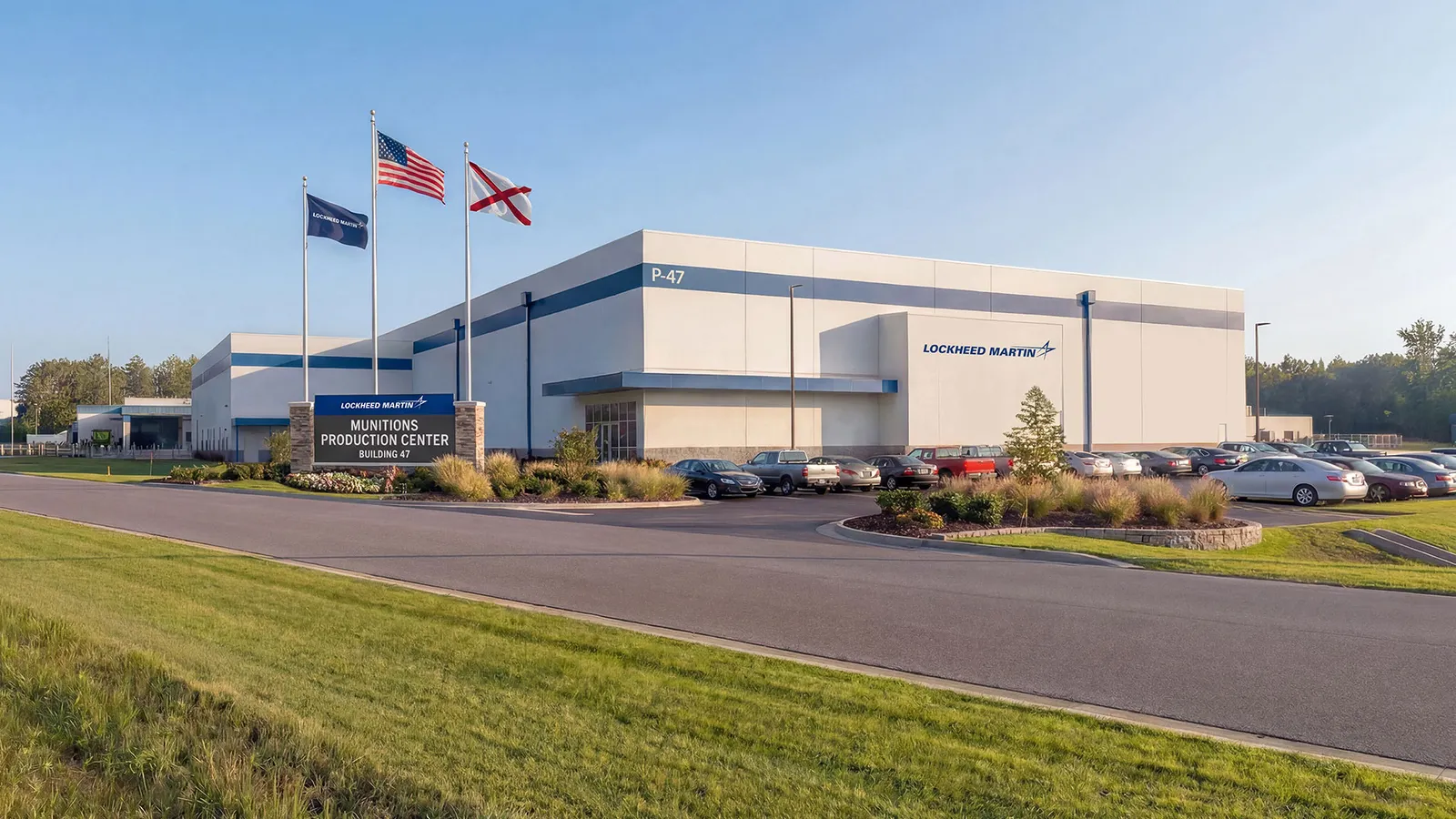
Manufacturing activity in the U.S. has slowed from its recent peak as rising prices take their toll, according to the latest Empire State Manufacturing Survey released by the Federal Reserve Bank of New York. This development is crucial for the AECM sector as it navigates a volatile economic landscape marked by inflationary pressures and fluctuating demand.
What Happened
The Empire State Manufacturing Survey, a key barometer of the manufacturing sector's health, reported a decline in its index of business conditions by 13 points, although it remained positive at 7.6. This follows a four-year high in August, signaling a deceleration in growth. The survey highlighted intensified pricing pressures, with the prices paid index rising to 63.1 and the prices received index climbing to 28.1, both reaching levels not seen since earlier in the year. The persistent inflation, primarily driven by tariffs, increased energy prices due to geopolitical tensions, and significant investments in infrastructure for artificial intelligence, continues to challenge the sector.
The global energy market, particularly the price of Brent crude oil, has surged by 22.4% over the past month, reaching $108.38 per barrel. This spike is largely attributed to ongoing conflicts in the Middle East, which have exacerbated energy costs and, in turn, increased manufacturing expenses. The consumer price index, excluding food and energy, also rose slightly, reinforcing expectations of an interest rate hike by the Federal Reserve. Economists warn that these conditions could lead to a slowdown in factory activity as manufacturers grapple with passing on higher costs to consumers.
Treasury Secretary Scott Bessent, however, remains optimistic about the long-term prospects of U.S. manufacturing, citing a burgeoning industrial supercycle. Despite this optimism, the bond market's reaction, with the 10-year Treasury yield hitting a 19-year high, suggests that borrowing costs are on the rise, potentially impacting investment and expansion plans within the sector.
What This Means for Your Business
For AECM businesses, the current economic environment presents both challenges and opportunities. The rise in input costs necessitates a strategic evaluation of procurement processes to mitigate the impact on margins. Companies should prepare for potential cost increases in materials and energy, which could affect project budgets and timelines. Compliance with evolving regulations, such as CMMC and NIST, remains critical, especially as cybersecurity threats continue to rise amid increased digital integration.
Federal funding opportunities may arise as the government seeks to bolster domestic manufacturing capabilities. Staying informed about these opportunities can provide a competitive edge, allowing businesses to capitalize on incentives designed to support innovation and resilience in the sector. Moreover, understanding the implications of interest rate adjustments on financing options is essential for optimizing return on investment and maintaining financial stability.
What US Operators Should Watch
Operators in the AECM sector should closely monitor upcoming Federal Reserve meetings and announcements regarding interest rate changes, as these will directly influence borrowing costs and economic forecasts. Additionally, keeping an eye on energy market fluctuations and geopolitical developments will be crucial in anticipating future pricing trends.
Regulatory compliance deadlines, particularly concerning cybersecurity standards like CMMC, should not be overlooked. Businesses must ensure they are prepared for audits and have robust security measures in place to protect sensitive information and maintain eligibility for government contracts. Finally, staying abreast of procurement windows for federal infrastructure projects can provide opportunities to secure lucrative contracts and drive growth in a challenging economic climate.
Is your firm ready for what’s next?
VisioneerIT helps AECM and government contractors modernize operations, achieve compliance, and implement AI.
Explore VisioneerIT Solutions →