Japanese Builders Double U.S. Home Construction Acquisitions
Japanese home builders have doubled their U.S. acquisitions since 2020, now controlling 6% of the market and introducing new construction methods that impact AECM operations.
Japanese home builders have doubled their U.S. acquisitions since 2020, now controlling 6% of the market and introducing new construction methods that impact AECM operations.
Central Texas's data center expansion is driving up land and power costs, altering industrial development dynamics and requiring AECM professionals to adapt planning and design strategies accordingly.

Nvidia's $2 billion investment in Marvell Technology will produce custom XPU chips integrated with NVLink, boosting AI processing power for data centers and edge computing. This development promises significant performance gains for AECM projects relying on advanced computing infrastructure.

North America's data center development pipeline is 92% pre-leased, driven by AI and cloud growth, creating tight market conditions and accelerated project demands for AECM professionals.

Neural algorithmic reasoning merges classical algorithms with AI, boosting problem-solving capabilities. This advancement offers AECM professionals smarter tools for project management and design optimization, promising greater efficiency and accuracy.
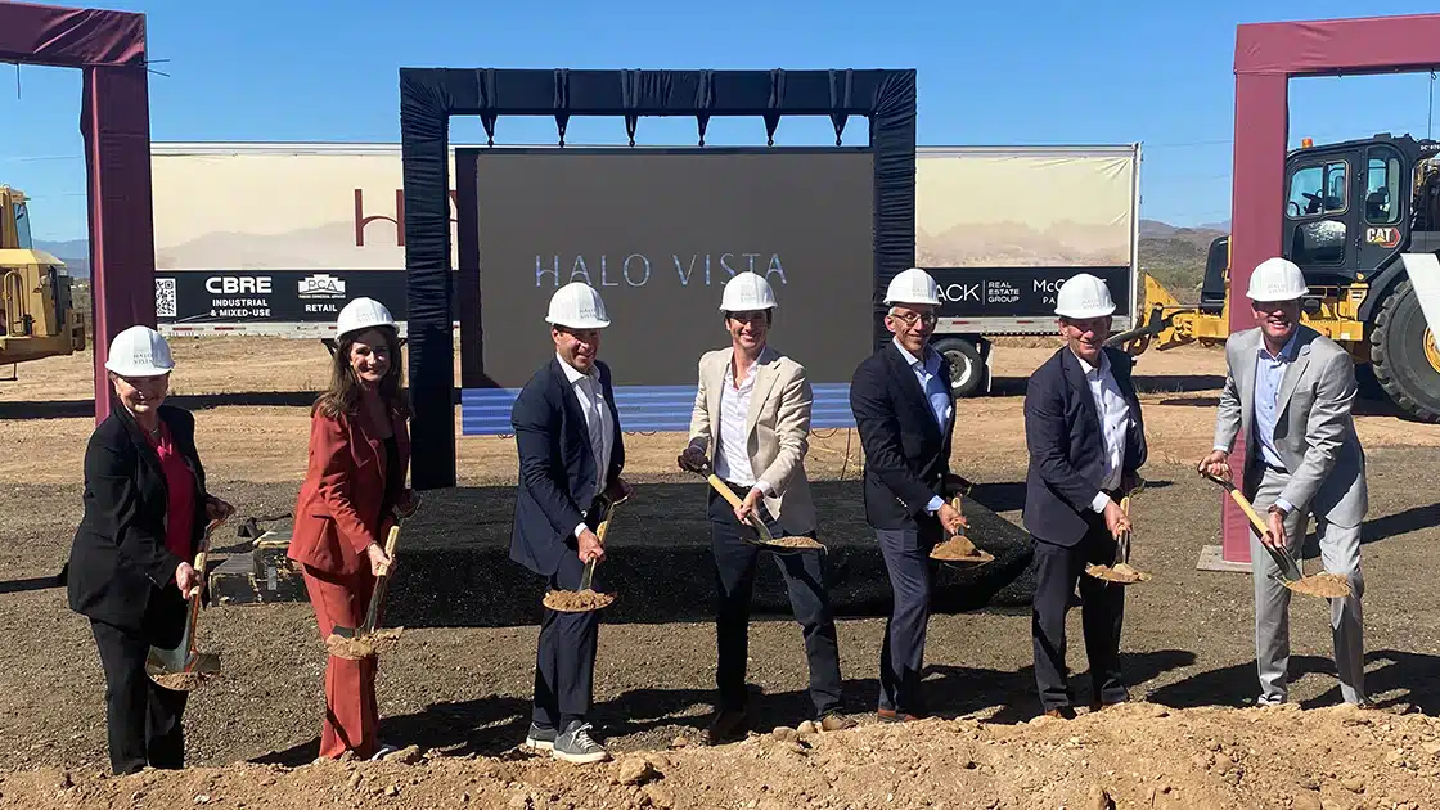
MREG and McCourt Partners have launched construction on Halo Vista, a $7 billion, 2,300-acre mixed-use development in North Phoenix, initiating a decade-long project that will impact multiple AECM sectors.
Databricks is investing $850 million to expand its UK AI operations, enhancing its London hub and AI talent development. This move will accelerate AI tool deployment relevant to AECM professionals, improving project efficiency and automation.

A California judge blocked the Pentagon from labeling AI firm Anthropic a supply chain risk, allowing continued use of its AI in government projects. The decision affects AECM firms relying on Anthropic's technologies and signals ongoing regulatory uncertainties.

The U.S. construction industry faces a severe skilled labor shortage in 2025, threatening project timelines and budgets. Firms must invest in workforce development and technology to maintain delivery standards.
