The construction industry is witnessing a paradigm shift in sustainability, propelled by the innovative use of steel and modular construction techniques. As the sector grapples with environmental concerns, the focus is pivoting from merely reducing materials to enhancing building longevity. This shift is critical for AECM professionals aiming to align with evolving sustainability targets and meet the increasing demand for durable infrastructure.
What Happened
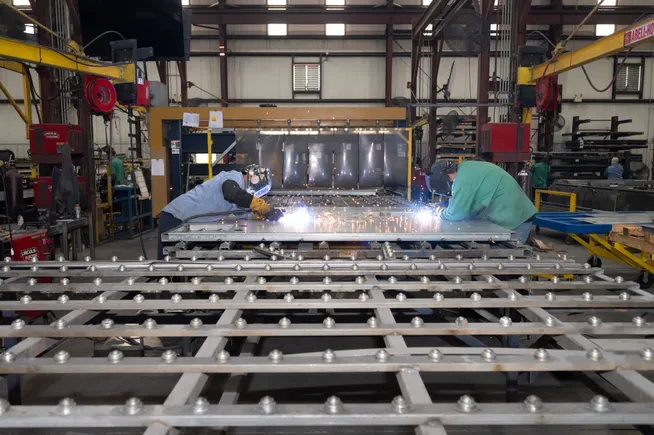
Steel, often overlooked in sustainability discussions, is emerging as a linchpin for long-lasting construction. According to VITALSpace, a company specializing in steel and modular buildings, 92% of steel is recycled without quality loss, making it a robust choice for sustainable construction. This material's resilience is exemplified by SteelCell, a VITALSpace subsidiary, which constructs prefabricated housing units for correctional facilities using A60 Galvanneal steel. This corrosion-resistant material minimizes maintenance and replacement cycles, ensuring facilities remain operational and safe over extended periods.
Moreover, VITALSpace's Portable Solutions Group is revolutionizing site infrastructure with shipping container modifications. These units, used for offices and sanitation on job sites, are not demolished after a project concludes but relocated, drastically reducing the need for new materials. This reuse strategy extends the lifecycle of construction assets, a principle that goes beyond traditional recycling.
Modular construction further enhances sustainability by reducing waste. By moving construction indoors to controlled environments, material efficiency is maximized, and project timelines are compressed. The factory setting allows for simultaneous site preparation and unit construction, expediting project delivery and minimizing environmental impact.
What This Means for Your Business
For AECM businesses, the implications are profound. Embracing steel and modular construction can lead to significant cost savings through reduced maintenance and replacement needs. Companies can leverage these methods to enhance their competitive positioning by offering sustainable, durable solutions that appeal to environmentally conscious clients.
Furthermore, the shift towards modular and steel construction aligns with federal sustainability goals, potentially unlocking funding opportunities. The durability and reusability of these materials can also improve ROI by extending the life of assets and reducing the need for new construction. Compliance with environmental regulations becomes more straightforward, as these methods inherently reduce waste and resource consumption.
What US Operators Should Watch
Decision-makers should monitor federal procurement windows and sustainability funding opportunities that prioritize durable construction methods. As the industry leans towards zero waste and high durability, staying informed about CMMC and NIST compliance deadlines is crucial. Operators should also anticipate increased demand for modular and steel solutions in sectors requiring robust infrastructure, such as healthcare and justice facilities.
Source: https://www.constructiondive.com/spons/built-to-last-rethinking-sustainability-through-steel-and-modular-construc/831582/. Read the original story ->
Is your firm ready for what’s next?
VisioneerIT helps AECM and government contractors modernize operations, achieve compliance, and implement AI.
Explore VisioneerIT Solutions →