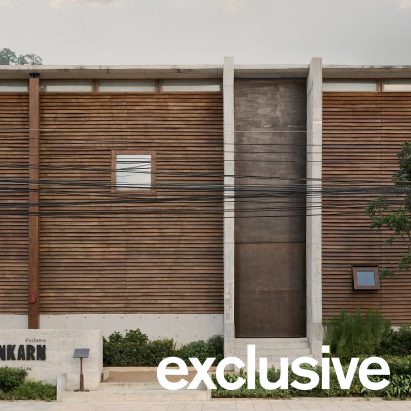
Studio Locomotive's recent architectural feat in Thailand, the Waankarn restaurant, showcases an innovative use of timber louvre walls that not only enhances aesthetic appeal but also serves as a sustainable design solution. This project is a timely reminder of how traditional design elements can be reimagined to meet modern environmental challenges.
What Happened
Located in Khao Lak, a coastal village in Thailand, the Waankarn restaurant and events space designed by Studio Locomotive has captured attention for its unique use of timber louvres. These architectural features allow natural light and air to permeate the double-height interiors, creating an inviting atmosphere while reducing reliance on artificial lighting and air conditioning. This design is particularly pertinent in Khao Lak, where the tourism industry is burgeoning, driving the need for more sustainable construction practices to preserve the local environment. The louvres serve a dual purpose, offering both aesthetic value and functional sustainability, aligning with global trends towards eco-friendly architecture.
What This Means for Your Business
For AECM professionals and US operators, this project underscores the growing importance of integrating sustainable design elements into new constructions. The use of timber louvres presents a viable solution for reducing energy consumption, aligning with federal sustainability mandates and potentially lowering operational costs. As sustainability becomes a key differentiator in competitive markets, adopting such innovative design elements can enhance market positioning and appeal to environmentally conscious clients. Additionally, these practices support compliance with emerging regulations such as the U.S. government's push towards net-zero buildings, potentially opening doors to federal funding and green certification opportunities.
What US Operators Should Watch
AECM professionals should monitor advancements in sustainable building materials and design practices, as they are likely to influence future federal procurement standards. Keeping an eye on regulatory changes related to energy efficiency and sustainability certifications will be crucial. Additionally, tracking innovations in architectural design, like Studio Locomotive's use of louvres, can provide inspiration for integrating similar features in domestic projects, aligning with both client demands and regulatory requirements.
Source: https://www.dezeen.com/2026/07/22/waankarn-restaurant-thailand-studio-locomotive/. Read the original story ->
Is your firm ready for what’s next?
VisioneerIT helps AECM and government contractors modernize operations, achieve compliance, and implement AI.
Explore VisioneerIT Solutions →