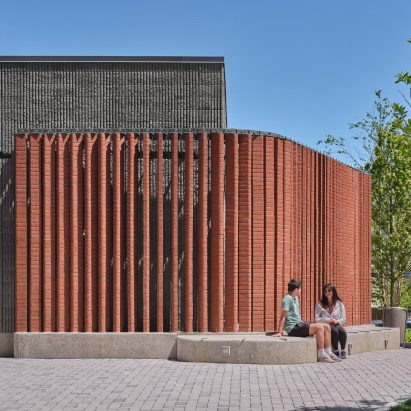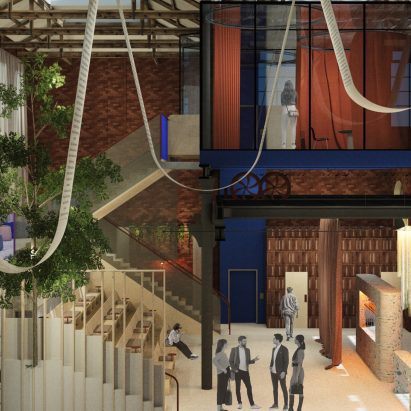
A groundbreaking initiative from Middlesex University is making waves in the architecture community, showcasing projects that aim to address pressing social issues. Among these is a theatre designed specifically for international students, refugees, asylum seekers, early-career workers, and first-generation migrants in London. This project, along with others like a music library and recording studio to combat youth crime, highlights the university's commitment to using architecture for social good.
What Happened
Middlesex University recently unveiled a series of student-led architectural projects that focus on social impact and community engagement. The highlight is a theatre in London, envisioned as a safe haven for international students, refugees, and migrants. This project is part of the university's BA (Hons) Interior Architecture course, which encourages students to design spaces that foster inclusion and community support. Alongside the theatre, other notable projects include a charity-driven music library and recording studio aimed at reducing youth crime and a civic-religious space designed to alleviate loneliness among community members.
What This Means for Your Business
For decision-makers in the architecture, engineering, and construction (AEC) sectors, these projects underscore the growing importance of socially responsible design. As urban areas continue to diversify, the need for inclusive spaces that cater to varied communities is becoming more critical. Companies that integrate such social considerations into their projects may find enhanced opportunities in public sector contracts and community-driven initiatives. Furthermore, aligning with these values could improve brand reputation and competitive positioning in an increasingly socially-conscious market.
What US Operators Should Watch
US operators should pay close attention to the evolving trends in socially-responsible architecture. As federal and local governments prioritize funding for projects that address community needs, opportunities for contracts in this space are likely to increase. Monitoring developments in inclusive design, particularly those that support marginalized communities, can provide a competitive edge in bidding for these projects. Additionally, understanding the impact of such initiatives on urban planning and community engagement will be crucial for future business strategies.
Source: Dezeen. Read the original story ->
Is your firm ready for what’s next?
VisioneerIT helps AECM and government contractors modernize operations, achieve compliance, and implement AI.
Explore VisioneerIT Solutions →