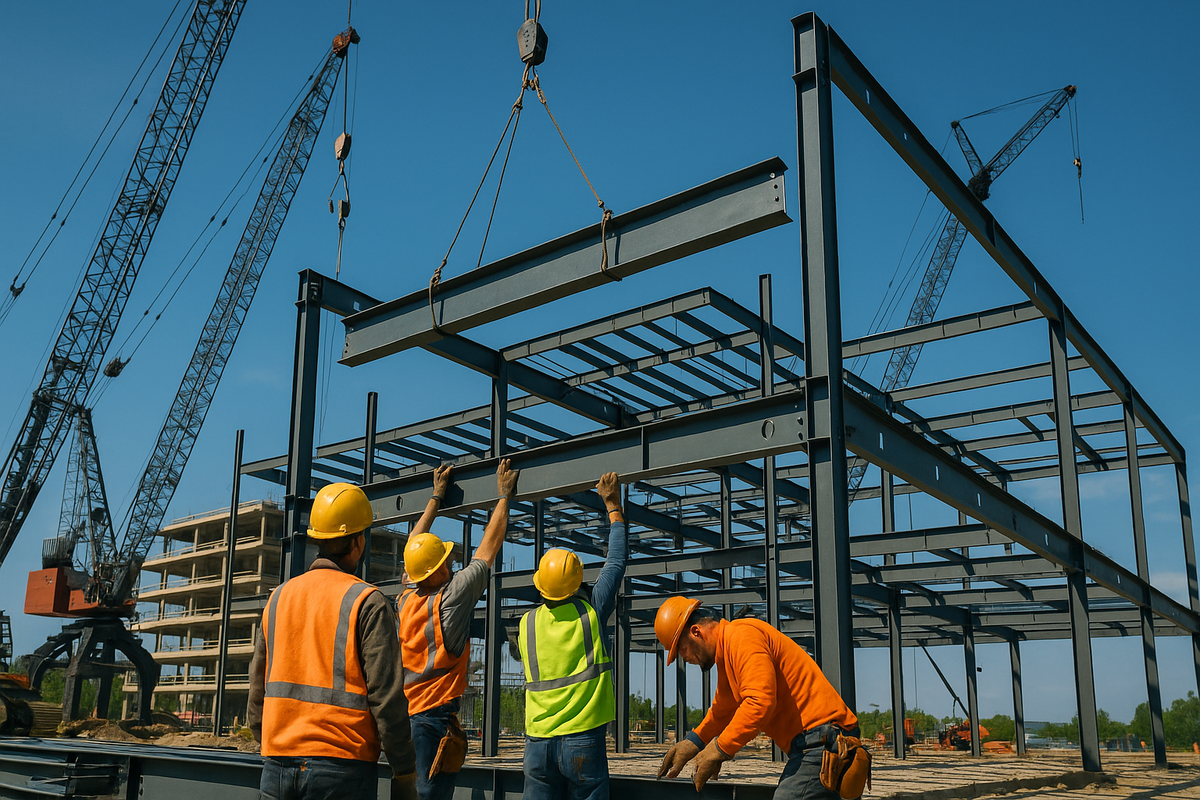
Steel imports into the United States have decreased by 30% as of 2026, following the imposition of tariffs that have significantly bolstered domestic production. This shift has notable implications for the construction and manufacturing sectors, which are now seeing increased reliance on locally produced steel.
What Happened
The reduction in steel imports, particularly raw and finished steel, is largely attributed to the tariffs placed on foreign steel. In April alone, the U.S. imported 1.87 million net tons of steel, highlighting a strategic pivot towards domestic capabilities. The tariffs have encouraged U.S. producers to ramp up production, focusing on items such as tin plate and metallic coatings. This policy move aligns with broader governmental efforts to strengthen domestic industries and reduce dependency on foreign materials.
What This Means for Your Business
For AECM professionals, this development presents both challenges and opportunities. On the procurement front, companies may face higher costs due to the reduced availability of imported steel, necessitating adjustments in budgeting and project management. However, the bolstered U.S. production capacity could lead to more stable supply chains and potentially lower transportation costs over time. Compliance with federal tariffs and trade regulations will be critical for businesses importing steel or related products. Additionally, companies should assess the long-term ROI of transitioning to domestic suppliers, considering the potential for reduced exposure to international market volatility.
What US Operators Should Watch
AECM professionals should closely monitor policy adjustments and tariff rate changes that may affect steel pricing and availability. Staying informed about federal funding opportunities aimed at supporting domestic production could provide competitive advantages. Furthermore, tracking compliance deadlines, such as those related to CMMC and NIST standards, will be crucial for maintaining eligibility for government contracts and ensuring operational efficiency.
Source: https://www.constructiondive.com/news/steel-imports-down-30-percent-ytd-tariffs-bolster-us-production/822123/. Read the original story ->
Is your firm ready for what’s next?
VisioneerIT helps AECM and government contractors modernize operations, achieve compliance, and implement AI.
Explore VisioneerIT Solutions →