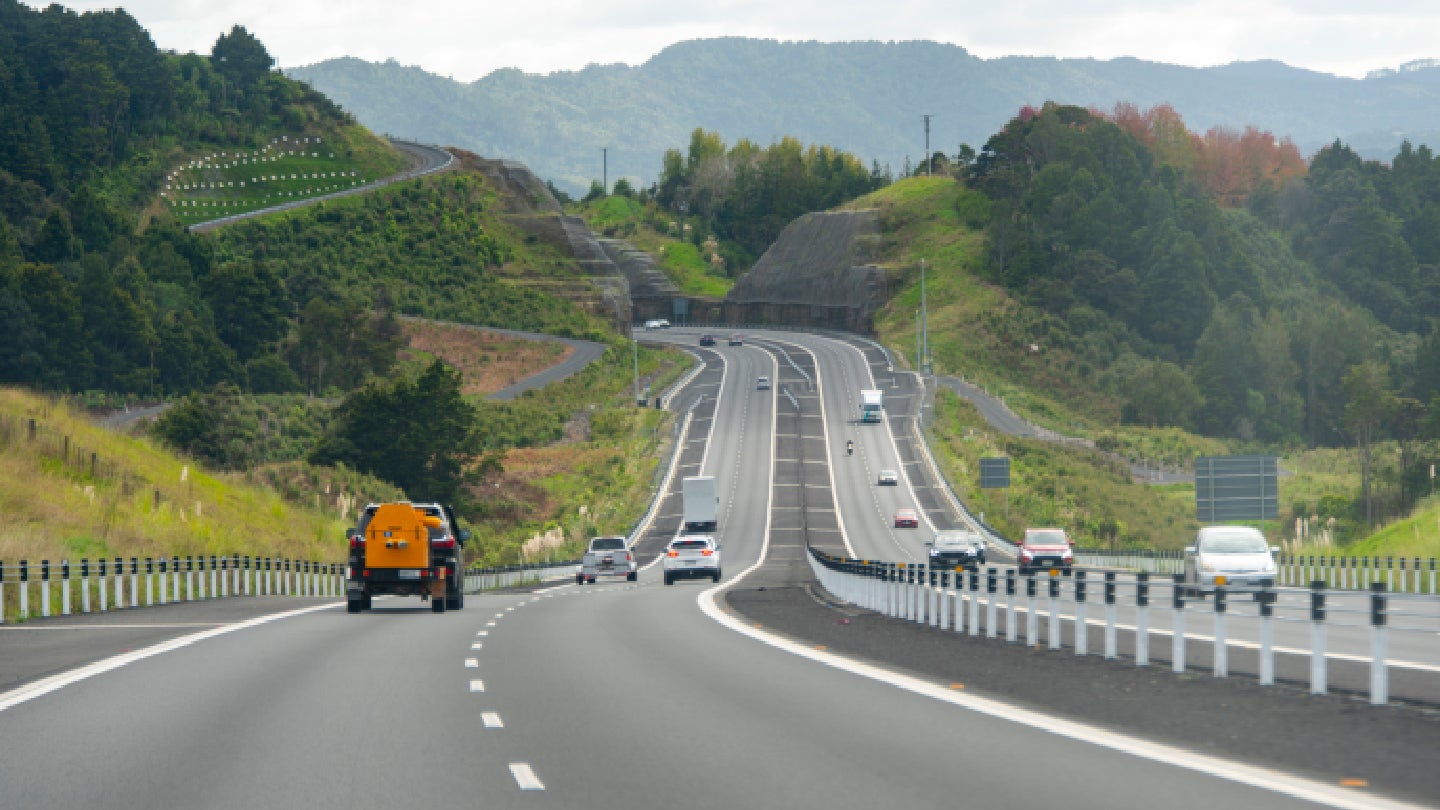
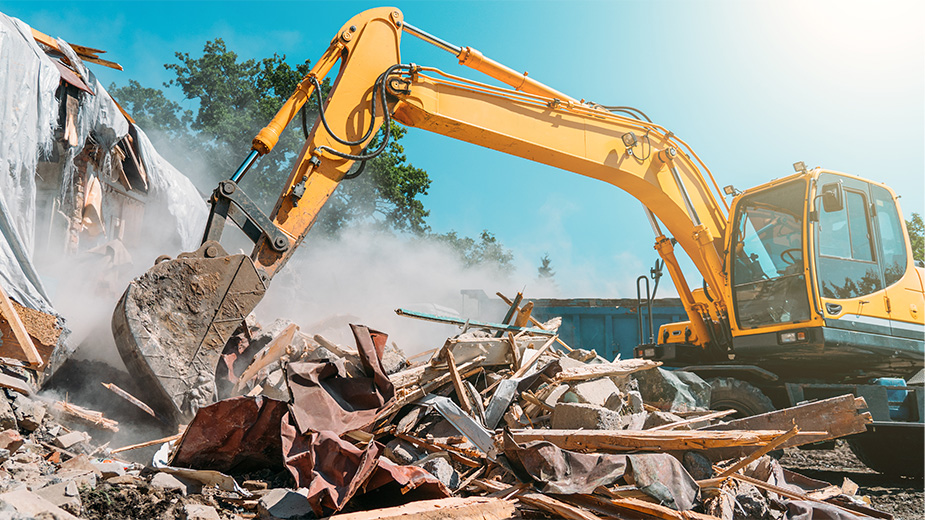
Wildfires have become synonymous with devastation in California, but a new initiative aims to address a critical aspect often overlooked: soil contamination. As Los Angeles begins its massive rebuilding effort after the Palisades and Eaton fires of January 2025, the focus is shifting not only to reconstructing homes but also ensuring that the ground they stand on is safe.
What Happened
The fires that ravaged Pacific Palisades and Altadena in January 2025 destroyed 16,264 structures and damaged 2,051 more, burning through 37,469 acres in total. This was not just a natural disaster but a harbinger of the challenges facing the wildland-urban interface, where development encroaches on fire-prone landscapes. As of early 2026, the City of Los Angeles had processed over 6,600 rebuilding applications and issued more than 3,100 permits, reflecting the logistical complexity of this monumental task.
Beyond the visible destruction, these fires have left behind a more insidious problem: soil contamination. When buildings burn, they release heavy metals, asbestos, and other toxins into the environment. Eric Bollens, Chief Technology Officer at LightBox, highlights this often-overlooked issue. His own family home was lost in the Palisades fire, and he underscores the importance of testing soil for safety before rebuilding can begin.
What This Means for Your Business
For construction and engineering firms, this presents both a challenge and an opportunity. The rebuilding costs in the Palisades are significant, ranging from $400 to $700 per square foot, with total costs for a standard 3,000-square-foot home exceeding $1.2 million. However, the need for soil testing and remediation introduces additional layers of complexity and potential revenue streams for firms equipped to handle such environmental assessments.
Government contractors and compliance officers must also navigate the limitations of federal cleanup efforts. The U.S. Army Corps of Engineers, while instrumental in debris removal, does not conduct soil testing. This gap creates a niche market for private contractors specializing in environmental safety and remediation, who can ensure sites are truly ready for rebuilding in compliance with environmental regulations.
What US Operators Should Watch
As the rebuilding process continues, key dates and regulatory requirements will shape the landscape. The reopening of Palisades Village in August 2026 marks a significant milestone, but for many property owners, the journey is just beginning. Stakeholders must remain vigilant of evolving federal and state regulations concerning environmental safety and soil testing.
Additionally, firms should prepare for potential shifts in insurance requirements and liability concerns related to building on previously contaminated sites. Keeping abreast of compliance standards, such as the Cybersecurity Maturity Model Certification (CMMC) and NIST guidelines, will be crucial as the industry adapts to these new challenges.
---
Source: Propmodo. Read the original story ->
Is your firm ready for what’s next?
VisioneerIT helps AECM and government contractors modernize operations, achieve compliance, and implement AI.
Explore VisioneerIT Solutions →