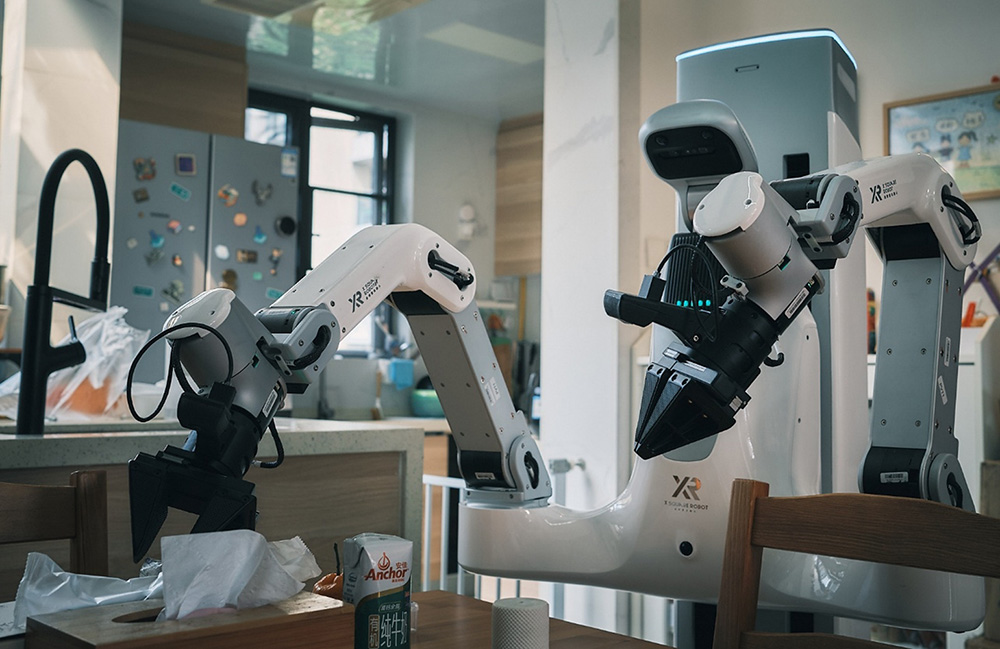
Morph, a London-based robotics startup, is pioneering a novel approach to artificial intelligence by embedding it directly into hardware. This advancement is poised to transform sectors reliant on robotics by integrating real-time adaptive control within soft, deformable materials. With the potential to reshape the future of robotics, Morph's innovation could lead to safer, more adaptable robots suitable for a variety of environments.
What Happened
Morph has developed soft robotic cells that embed physical AI into hardware, enabling robots to adapt their shape and functionality in real-time. These cells are designed to sense, adapt, and respond to their environment, similar to an octopus's adaptability. This approach combines reinforcement learning with high-fidelity physics-based simulation, allowing for a more seamless transition from concept to product. Unlike traditional robotics that separate hardware and software development, Morph integrates these aspects from the outset. This integration is aimed at creating robots that are not only intelligent but also physically capable of adapting to various tasks and environments.
What This Means for Your Business
For those in the architecture, engineering, construction, and manufacturing (AECM) sectors, Morph’s innovation offers significant opportunities. The integration of AI into hardware can lead to more efficient and versatile robots, reducing the need for separate systems and potentially lowering costs. This could streamline operations in warehouses or construction sites where adaptable robotics could replace multiple specialized machines. Moreover, the use of soft robotics enhances safety, making it more feasible to deploy these robots in environments where human interaction is frequent. The scalability and adaptability of these soft cells also mean that they can be tailored to specific industry needs, offering a competitive edge and potentially opening new markets.
What US Operators Should Watch
US operators should monitor developments in Morph’s technology as it progresses from experimental stages to commercial applications. Pay attention to potential partnerships or collaborations with major robotics or AI firms, which could accelerate the adoption of these systems in the US market. Additionally, keep an eye on regulatory changes that might impact the deployment of adaptive robotics in various industries. With the rapid advancement of AI and robotics, staying informed about compliance requirements and standards will be crucial for leveraging this technology effectively.
Source: [The Robot Report]. Read the original story ->
Is your firm ready for what’s next?
VisioneerIT helps AECM and government contractors modernize operations, achieve compliance, and implement AI.
Explore VisioneerIT Solutions →Tracking the right federal opportunities?
OryonIQ's AI platform monitors agency forecasts, contract awards, and procurement timelines — so government contractors always know what’s coming next.
Try OryonIQ Free →