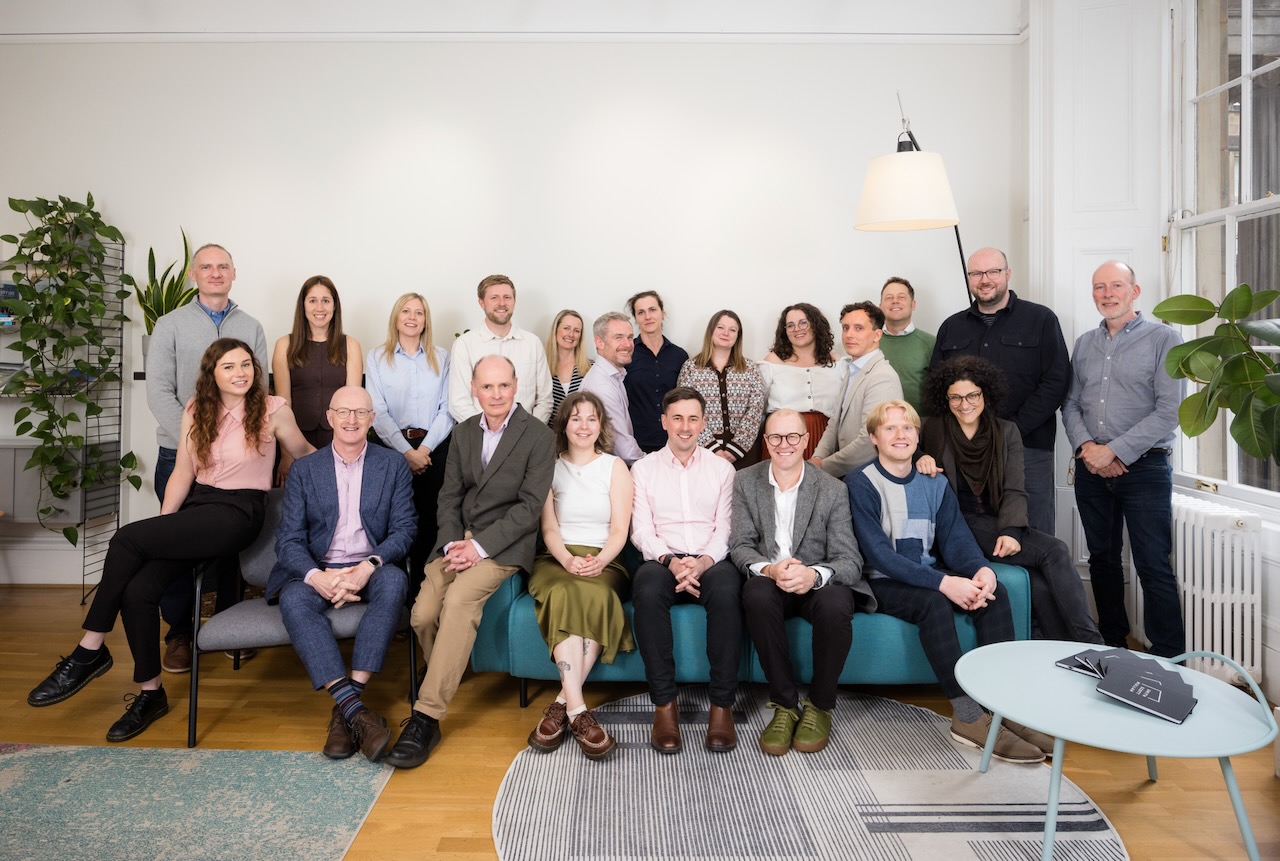
Scottish architecture firm Smith Scott Mullan has announced a major shift in its business model, transitioning to employee ownership. This move, led by owners Graham Acheson, Eugene Mullan, and Rick McCluggage, involves transferring their shares into an employee ownership trust. The transition aims to secure the firm's long-term future, maintain its independence, and ensure continuity for both clients and employees.
What Happened
Smith Scott Mullan, a renowned architectural practice in Scotland, has embraced employee ownership as a strategic move to preserve its culture and operational values. The three owners have transferred their shares into an employee ownership trust, a model that is gaining traction in the UK for its ability to provide stability and foster a collaborative work environment. The firm's directors have emphasized that this transition not only safeguards the practice's independence but also creates significant opportunities for employees, recognizing their contributions and involving them more deeply in the future of the business.
The directors stated, "We are all incredibly proud of the culture and reputation we have built over the last 30 years, and this transition is about protecting that for the future." They highlighted the benefits of employee ownership in providing a clear succession pathway, supporting a smooth leadership transition, and ensuring the retention of knowledge and experience within the firm.
What This Means for Your Business
For AECM professionals, Smith Scott Mullan's transition underscores the growing trend towards employee ownership as a viable succession planning strategy. It offers a blueprint for firms looking to maintain independence while fostering a strong, engaged workforce. This model can enhance business stability and continuity, crucial for maintaining client relationships and service quality. Firms considering a similar transition should evaluate the potential for improved employee satisfaction, retention, and productivity, which could lead to a competitive edge in the market.
Furthermore, this move aligns with broader industry trends emphasizing sustainable business practices and long-term growth strategies. Adopting an employee ownership model may also have implications for procurement processes, as it could enhance a firm's reputation and trustworthiness among government and private sector clients.
What US Operators Should Watch
US operators should monitor the increasing adoption of employee ownership models within the AECM industry as a means of succession planning and business continuity. While the UK has seen a rise in such transitions, the trend could gain momentum in the US, particularly as firms seek to navigate leadership transitions without sacrificing core values or client service standards. Additionally, firms should stay informed about any legislative incentives or support for employee ownership structures, which could impact the financial feasibility of such transitions.
Source: The Construction Index. Read the original story ->
Is your firm ready for what’s next?
VisioneerIT helps AECM and government contractors modernize operations, achieve compliance, and implement AI.
Explore VisioneerIT Solutions →Tracking the right federal opportunities?
OryonIQ's AI platform monitors agency forecasts, contract awards, and procurement timelines — so government contractors always know what’s coming next.
Try OryonIQ Free →
