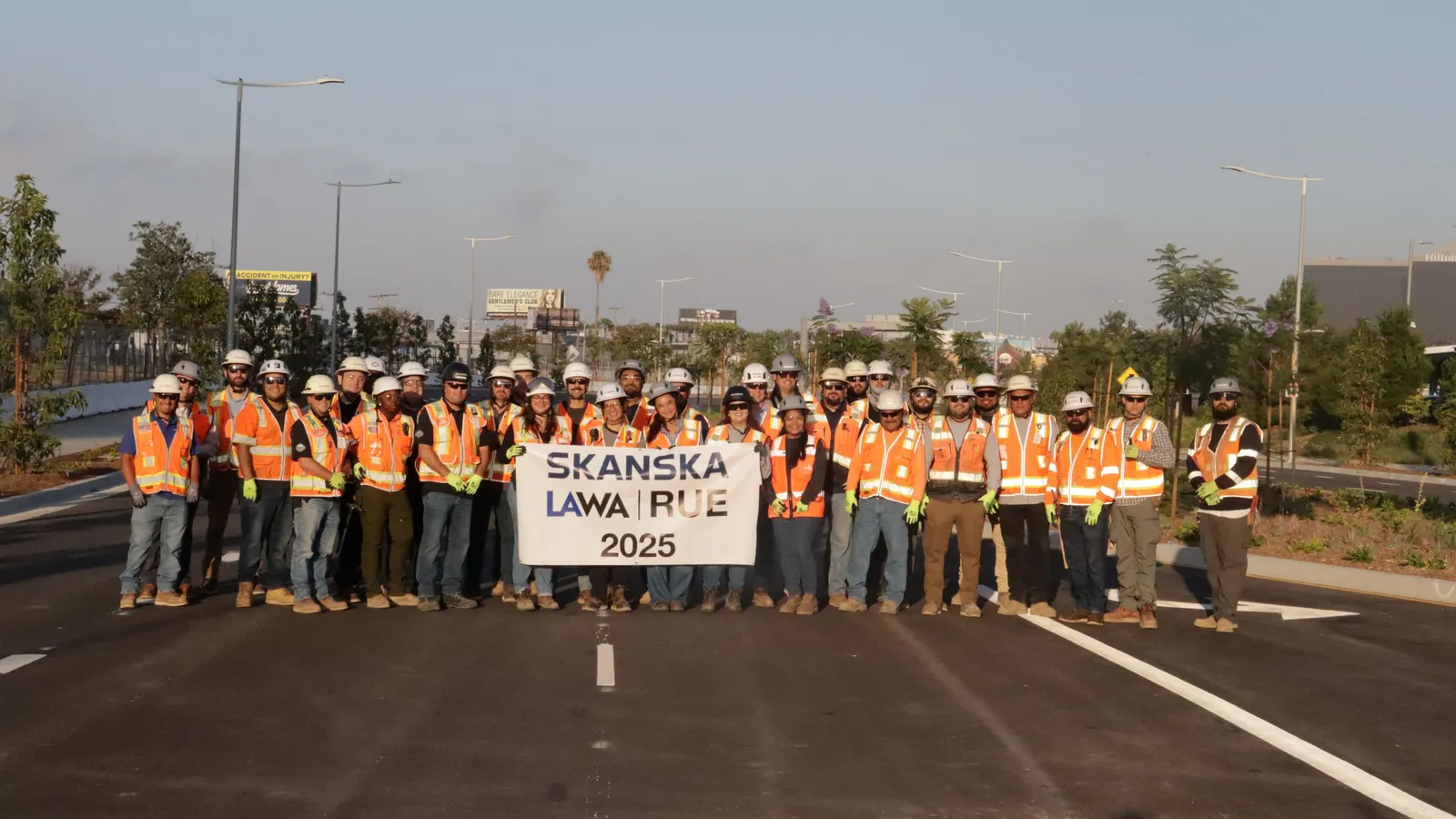
Skanska has successfully completed a $380 million infrastructure project at Los Angeles International Airport (LAX), significantly exceeding its targets for integrating small, local, and veteran-owned businesses. This achievement underscores a growing trend in the construction industry towards fostering diversity and inclusion in large-scale projects.
What Happened
Skanska, a leading global construction and development company, announced the completion of a major project at LAX, focusing on road and utility improvements. The project, valued at $380 million, not only aimed to enhance infrastructure but also set ambitious goals for partnering with small and diverse businesses. Skanska reported that it surpassed all its inclusion targets, collaborating with a variety of small, local, and veteran-owned enterprises.
The project's scope included significant road and utility upgrades, which are crucial for improving the efficiency and safety of operations at one of the busiest airports in the world. By integrating a diverse range of small businesses, Skanska not only contributed to the local economy but also set a benchmark for other contractors seeking similar partnerships.
What This Means for Your Business
The successful integration of small and diverse enterprises in a project of this scale highlights several implications for businesses in the AECM sector. For contractors and procurement directors, this sets a precedent for future projects, demonstrating the potential benefits of fostering partnerships with diverse suppliers. Such collaborations can enhance competitive positioning by meeting public sector diversity requirements and improving community relations.
Moreover, the success of this project may influence procurement strategies, encouraging companies to adopt similar inclusion targets to access federal and municipal contracts. Compliance with diversity and inclusion goals can also align with broader corporate social responsibility initiatives, potentially improving brand reputation and stakeholder trust.
What US Operators Should Watch
AECM professionals should monitor upcoming federal and state infrastructure projects for similar inclusion opportunities. The success of Skanska's approach may prompt changes in procurement requirements, emphasizing the need for robust diversity plans in bids. Companies should prepare to meet potential compliance requirements related to diversity, equity, and inclusion (DEI) initiatives, which may become standardized across the industry.
Additionally, operators should stay informed about any updates to federal funding opportunities that support infrastructure development, particularly those that prioritize small and veteran-owned business participation. Keeping abreast of these trends can provide a competitive edge in securing lucrative contracts.
Source: Construction Dive. Read the original story ->
Is your firm ready for what’s next?
VisioneerIT helps AECM and government contractors modernize operations, achieve compliance, and implement AI.
Explore VisioneerIT Solutions →