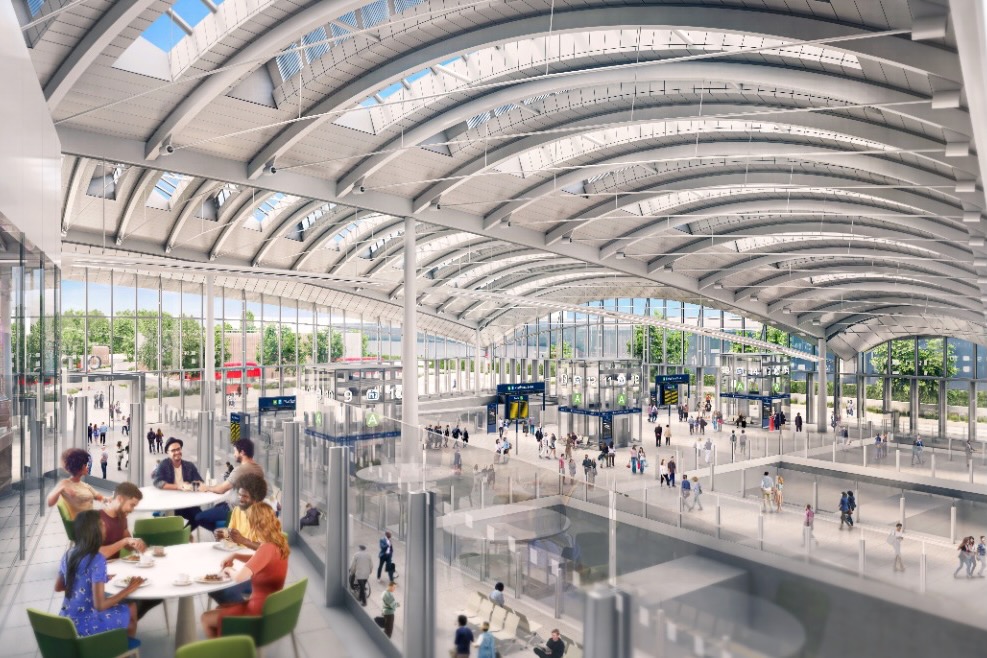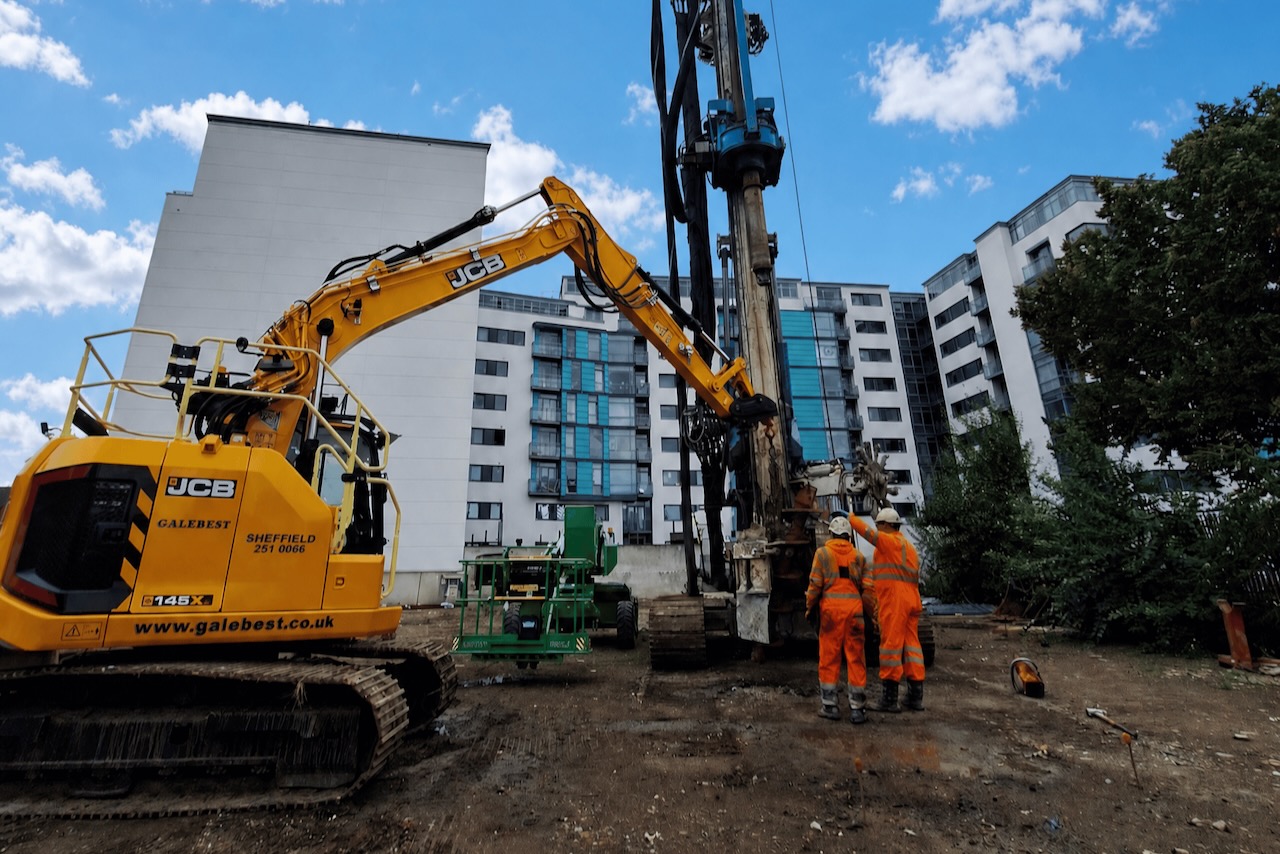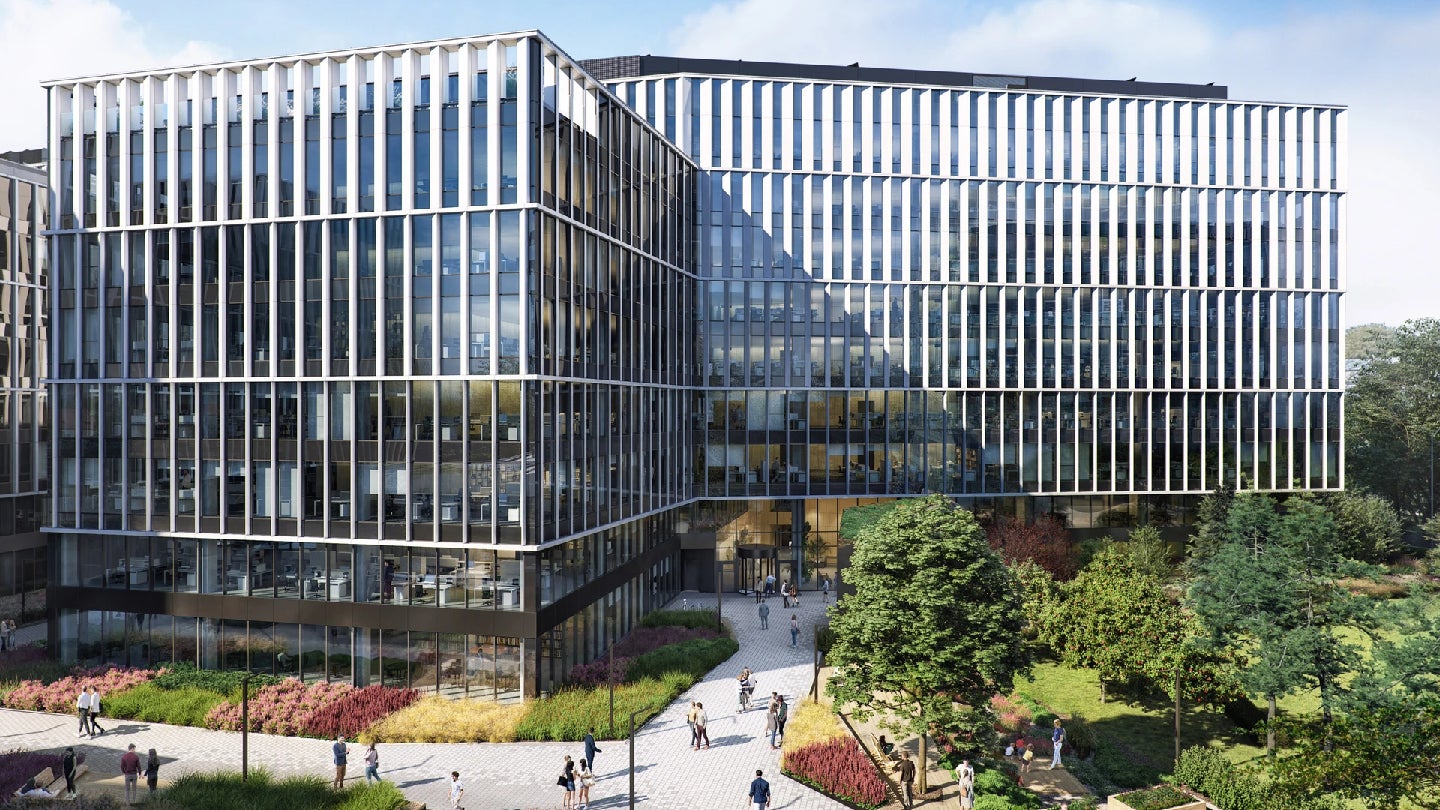
Skanska has broken ground on the Nowy Format office complex in Kraków's central Grzegórzki district, marking a significant step in the transformation of a former newspaper printing plant into a modern business hub. This project, with its focus on sustainability and cutting-edge design, positions Skanska at the forefront of energy-efficient construction, a crucial consideration for developers and contractors in today's environmentally conscious market.
What Happened
Skanska has initiated the construction of the Nowy Format office complex, beginning with the Nowy Format A1 building in Kraków, Poland. This nine-story office block will provide 21,400m² of gross leasable area and is part of a larger development that will eventually encompass three buildings with approximately 48,000m² of space. Skanska is investing around €66 million ($76 million) in this initial phase, with construction services valued at 140 million zlotys ($37.2 million) already secured in the company's European order bookings for the third quarter of 2026. The project is set to commence in the fourth quarter of 2026 and is expected to be completed by the third quarter of 2028.
This development is characterized by its commitment to sustainability. The Nowy Format A1 building will operate on a fully electric model, detached from Kraków's district heating grid, utilizing heat pumps and renewable electricity sources. Skanska aims for net zero operational CO₂ emissions and has targeted several certifications, including LEED Core & Shell and WELL Core & Shell. The project also meets the EU Taxonomy for sustainable activities, incorporating real-time utility monitoring and CO₂ emission calculations to enhance environmental performance.
What This Means for Your Business
The Nowy Format project underscores the increasing importance of sustainable building practices in the construction industry. For US operators, especially those involved in government contracting and large-scale developments, this project exemplifies the competitive edge that can be gained through sustainable design and construction. Skanska's adherence to stringent environmental standards and its investment in renewable energy provide a model for achieving compliance with evolving regulations such as the US government's emphasis on reducing carbon footprints in federal projects.
Moreover, the focus on energy efficiency and the integration of advanced monitoring tools can lead to long-term cost savings and improved operational efficiency. Skanska's approach to sustainability, including the pursuit of certifications like LEED and WELL, can enhance a project's appeal to environmentally conscious tenants and investors, potentially increasing ROI.
What US Operators Should Watch
US companies should closely monitor the development timelines and certification processes of projects like Nowy Format. The emphasis on renewable energy and net zero emissions aligns with federal initiatives promoting sustainable infrastructure. As regulations evolve, staying informed about certification standards such as LEED and WELL will be crucial for maintaining a competitive edge in government contracting.
The construction timeline for Nowy Format, with a start in late 2026 and completion in 2028, offers a window into the planning and execution phases required for such sustainable projects. US operators should also consider the potential for similar developments domestically and internationally, leveraging the growing demand for eco-friendly office spaces.
Source: World Construction Network. Read the original story ->
Is your firm ready for what’s next?
VisioneerIT helps AECM and government contractors modernize operations, achieve compliance, and implement AI.
Explore VisioneerIT Solutions →