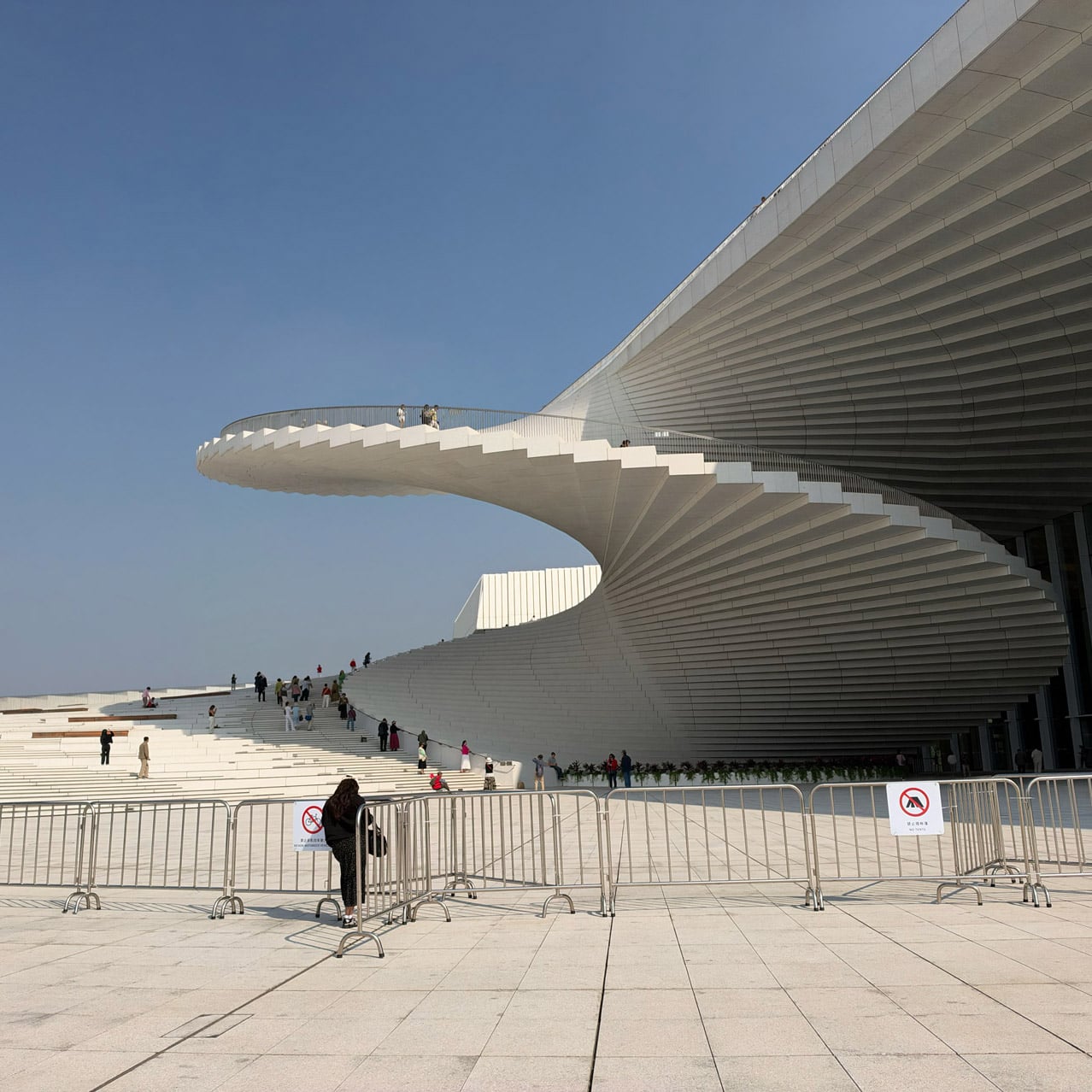
Controversy has erupted around the newly opened Shanghai Grand Opera House due to the implementation of a fee for visitors who wish to access its innovative walkable roof. This development raises critical questions about the accessibility and functional design expectations in modern architecture, especially for buildings intended for public engagement.
What Happened
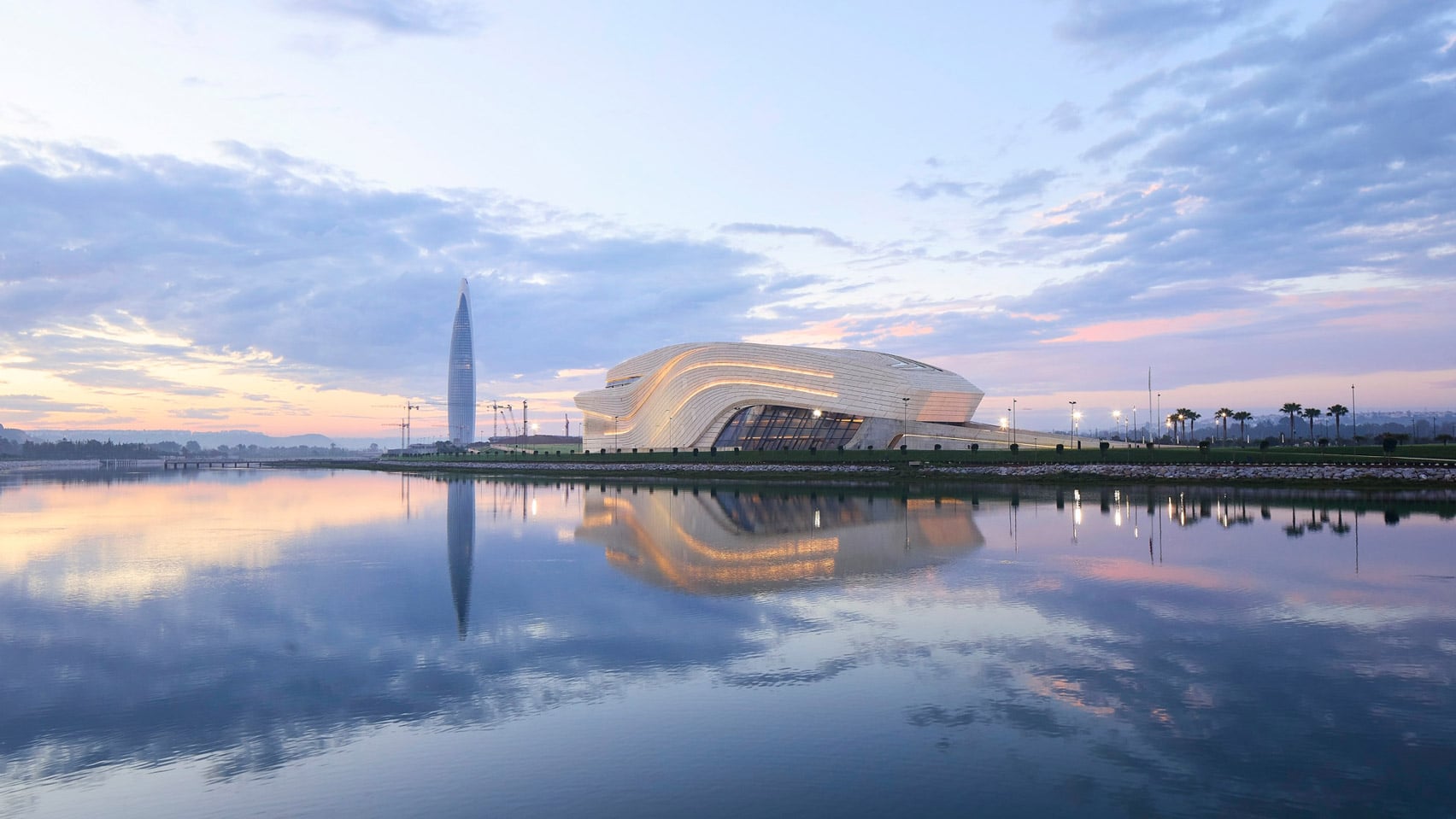
The Shanghai Grand Opera House, a striking addition to the city's skyline, has garnered attention not only for its architectural brilliance but also for the unexpected barriers to experiencing its full design. Designed to be explored in three dimensions, the opera house's walkable roof has become a focal point of controversy since visitors must pay to access it. This situation underscores a broader issue in the architectural world where buildings, despite being designed for public exploration, are often subject to restrictions that limit their accessibility. Such restrictions highlight a disconnect between architectural intent and operational reality, prompting architects and developers to reconsider how public access is integrated into design plans.
What This Means for Your Business
For AECM professionals, this controversy serves as a reminder of the importance of aligning design with operational policies. As public buildings increasingly incorporate interactive and walkable features, firms must anticipate potential access challenges and address them during the design phase. This involves considering the financial implications of maintaining accessible features and the potential impact on public perception and use. Furthermore, the situation highlights a need for clear communication between architects, clients, and stakeholders to ensure that design intentions align with operational realities. This can affect contract specifications, project bidding, and compliance with public accessibility standards, which are critical for securing federal funding and ensuring a positive return on investment.
What US Operators Should Watch
US-based operators and decision-makers should keep an eye on evolving public building accessibility standards and regulations, which may affect future projects. The controversy at the Shanghai Grand Opera House underscores the importance of considering user experience in architectural design, including access fees and operational restrictions. Additionally, those involved in public projects should monitor any changes in compliance requirements related to public access and incorporate these into project planning and execution. As public demand for interactive and accessible buildings grows, staying informed about best practices and potential regulatory changes will be crucial for maintaining competitive positioning and meeting client expectations.
Source: https://www.dezeen.com/2026/11/20/shanghai-opera-house-controversy-aaron-betsky-opinion/. Read the original story ->
Is your firm ready for what’s next?
VisioneerIT helps AECM and government contractors modernize operations, achieve compliance, and implement AI.
Explore VisioneerIT Solutions →