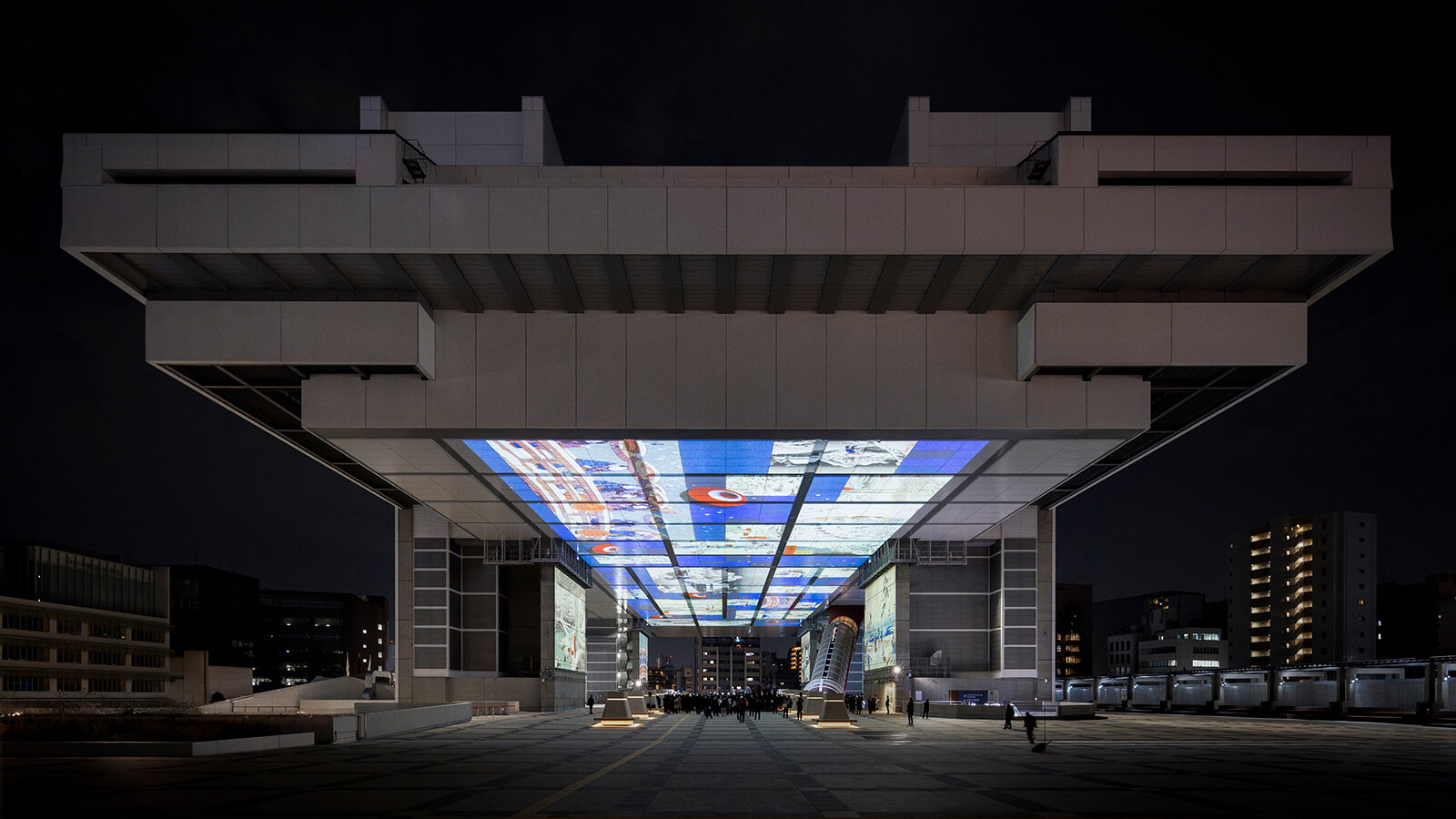
The Edo-Tokyo Museum, a landmark of Japanese Metabolist architecture, has reopened after a significant renovation led by Shohei Shigematsu of OMA. The project, which cost approximately 10 billion yen (65 million USD), was funded by the city of Tokyo and represents a notable effort to preserve the architectural legacy of Kiyonori Kikutake, the museum's original designer.
What Happened
The Edo-Tokyo Museum, located in Tokyo's Ryogoku district, was initially designed in 1993 by Kiyonori Kikutake, a key figure in the Metabolist movement. This architectural style emphasized large-scale, flexible structures and futuristic designs, often drawing inspiration from biological growth. The museum had been closed for nearly four years for refurbishment, reopening earlier this year under the supervision of Shohei Shigematsu, a partner at OMA. Shigematsu's design approach, known for its high-tech elegance, has previously impressed luxury fashion brands such as Dior and Louis Vuitton, capturing the attention of Tokyo's mayor.
The renovation preserved Kikutake's "super skeleton" structure while enhancing the museum's functionality and visitor experience. Notable improvements include reimagined entry sequences, upgraded exhibition spaces, and the introduction of projection mapping and improved signage for wayfinding. These changes aim to breathe new life into the museum while respecting the original architectural intent.
What This Means for Your Business
For professionals in architecture, engineering, and construction management (AECM), the Edo-Tokyo Museum's renovation serves as a case study in balancing historical preservation with modern innovation. The project underscores the importance of integrating cutting-edge technology into architectural refurbishments to enhance visitor engagement and operational efficiency. This approach not only preserves cultural heritage but also revitalizes public interest and increases foot traffic, ultimately boosting revenue and return on investment.
Additionally, the collaboration between OMA and the city of Tokyo highlights potential opportunities for government contracts focused on cultural and historical site renovations. Firms capable of combining architectural heritage with modern technology stand to gain a competitive edge in securing such projects.
What US Operators Should Watch
US operators should monitor similar renovation projects within their markets, particularly those involving historical or culturally significant buildings. The Edo-Tokyo Museum renovation exemplifies the potential financial and cultural benefits of investing in the modernization of heritage sites. As public and private sectors increasingly prioritize sustainable and innovative building practices, firms with expertise in these areas will be well-positioned to capitalize on emerging opportunities.
Source: Azure Magazine. Read the original story ->
Is your firm ready for what’s next?
VisioneerIT helps AECM and government contractors modernize operations, achieve compliance, and implement AI.
Explore VisioneerIT Solutions →