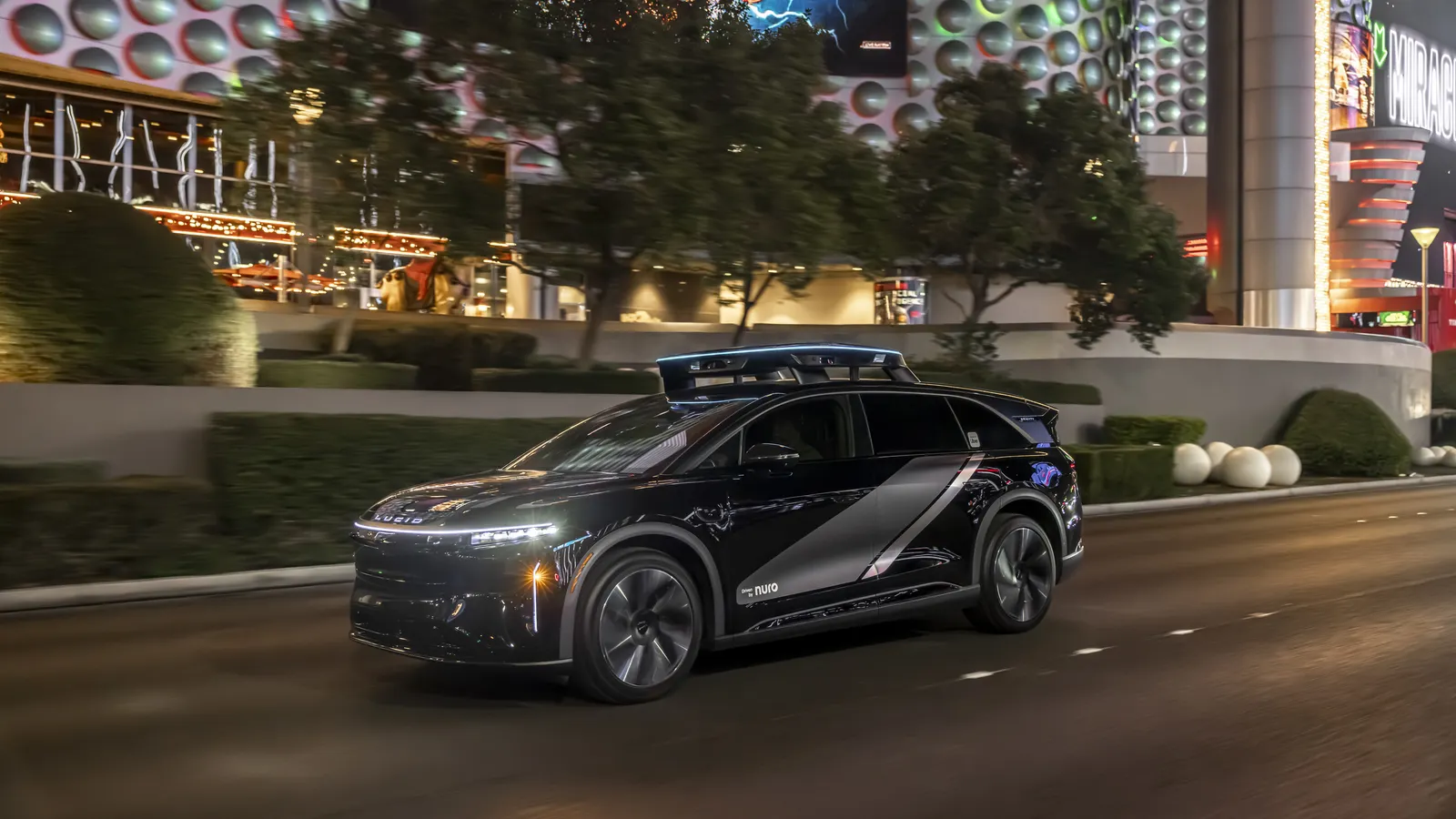
Uber, in collaboration with Lucid and Nuro, is poised to launch a fleet of self-driving robotaxis in the San Francisco Bay Area as soon as this year, marking a significant milestone in autonomous vehicle technology. This development signals a potentially transformative shift for urban mobility and presents a host of new opportunities and challenges for the architecture, engineering, construction, and manufacturing (AECM) sectors.
What Happened
The partnership between Uber, Lucid, and Nuro has culminated in the creation of advanced robotaxis, which are expected to commence public rides in San Francisco before expanding to Houston. This initiative not only highlights the technological advancements in autonomous vehicles but also underscores the growing integration of AI and robotics into urban transportation systems. The move comes amid increasing demand for innovative and sustainable transportation solutions, particularly in densely populated urban areas where traffic congestion and pollution are pressing concerns.
What This Means for Your Business
For businesses in the AECM sector, the introduction of self-driving taxis represents both a challenge and an opportunity. Companies involved in urban planning and infrastructure development must now consider the implications of autonomous vehicles on city layouts, traffic patterns, and public transportation systems. The demand for smart infrastructure that can accommodate these technologies is likely to rise, creating new avenues for growth and investment.
From a compliance perspective, firms must stay abreast of evolving regulations and standards related to autonomous vehicles, including safety protocols and cybersecurity measures. The rollout of these robotaxis could also spur advancements in manufacturing processes, as the need for specialized components and materials increases.
What US Operators Should Watch
As autonomous vehicle technology continues to evolve, several key dates and developments should be on the radar of AECM professionals. Companies should monitor regulatory updates from federal and state governments regarding autonomous vehicle operations. Additionally, the timeline for the rollout of these robotaxis in other cities could impact market dynamics and influence strategic planning.
Firms should also keep an eye on potential procurement opportunities for infrastructure projects designed to support autonomous vehicles. The integration of smart technologies into urban environments will likely necessitate significant investments in new infrastructure, presenting opportunities for contractors and suppliers alike.
Source: https://www.smartcitiesdive.com/news/uber-nuro-lucid-houston-san-francisco/825386/. Read the original story ->
Is your firm ready for what’s next?
VisioneerIT helps AECM and government contractors modernize operations, achieve compliance, and implement AI.
Explore VisioneerIT Solutions →